
Jim Cramer Warns of Experiential Economy Weakness as Consumer Spending Shows Signs of Strain
Unlock More Features
Login to access AI-powered analysis, deep research reports and more advanced features
About us: Ginlix AI is the AI Investment Copilot powered by real data, bridging advanced AI with professional financial databases to provide verifiable, truth-based answers. Please use the chat box below to ask any financial question.
Related Stocks
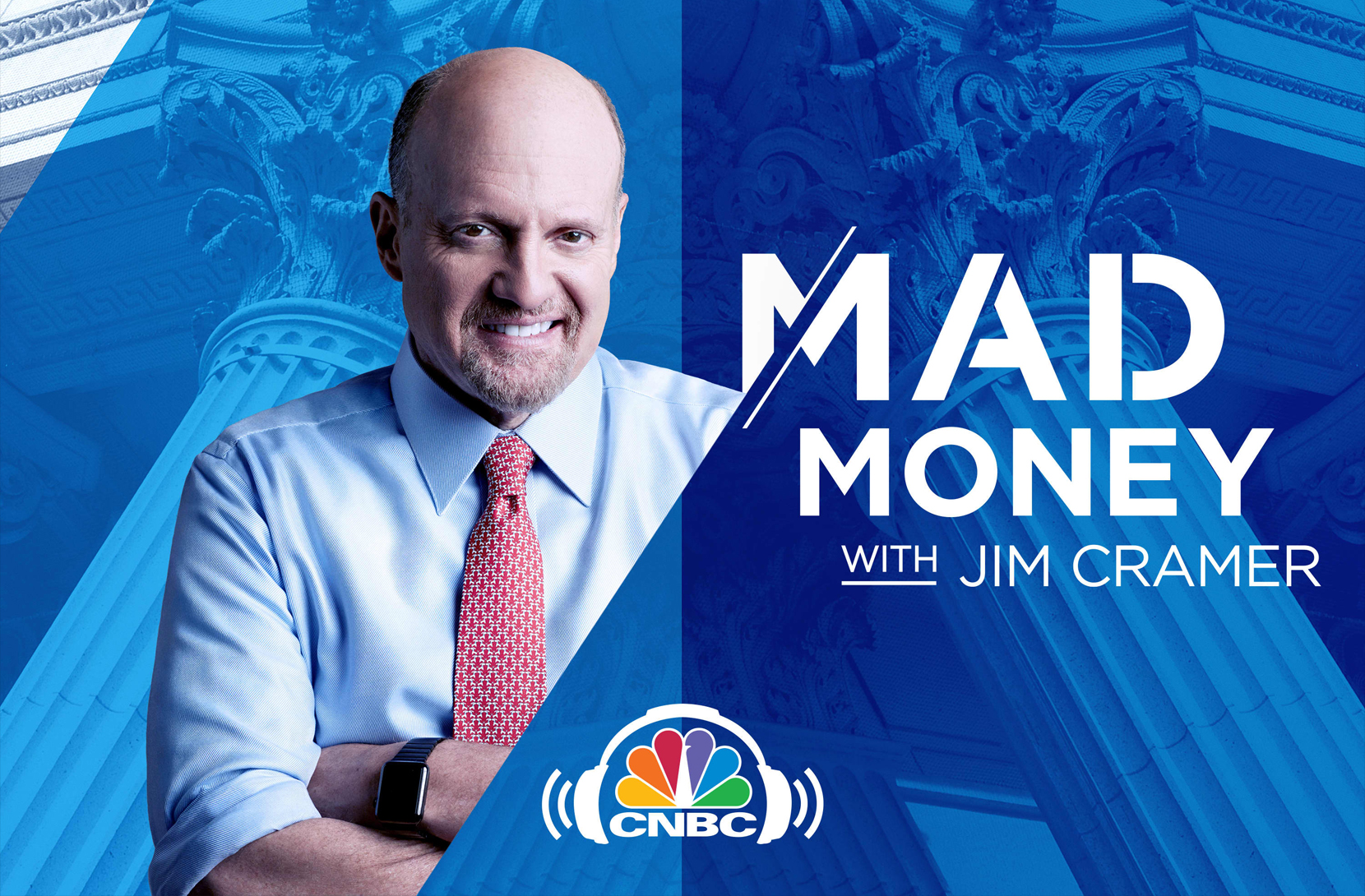
This analysis is based on Jim Cramer’s “Mad Money” broadcast on CNBC [1], published on November 13, 2025, where he warned about growing concerns in the experiential economy sector.
Jim Cramer’s commentary signals a potential shift in consumer behavior patterns that have supported market winners since the COVID-19 recovery. The experiential economy - encompassing travel, entertainment, and dining - faces mounting pressure from multiple fronts: weakening employment data, persistent inflation, and uncertainty from an ongoing government shutdown [1].
The immediate market reaction was severe across experiential economy stocks. Disney (DIS) plunged 7.75% to $107.61 after missing Q4 revenue expectations of $22.5 billion versus $22.83 billion estimated [0][4]. Royal Caribbean (RCL) declined 2.91% to $255.76 with disappointing revenue outlook, while Live Nation (LYV) dropped 2.61% to $136.82 after failing to meet earnings and revenue expectations [0][1]. The broader Consumer Cyclical sector fell 2.87%, making it the worst-performing sector alongside Utilities [0].
Notably, the analysis reveals a bifurcation within the experiential economy. While mass-market segments struggled, premium experiential spending showed resilience. Disney’s Experiences division actually achieved 6% year-over-year revenue growth to $8.7 billion with $1.9 billion in quarterly profit [2]. Similarly, American Express (AXP), despite falling 2.16% to $364.73, was noted by Cramer as “seeing continued success” [1], suggesting higher-spending consumers remain engaged in experiential activities.
The most significant insight is the emerging class divide in experiential spending. Younger consumers are cutting back on meals away from home, impacting fast-casual chains like Chipotle, Cava, and Sweetgreen [1]. However, premium segments maintain strength, indicating that experiential spending weakness may be concentrated among middle and lower-income demographics rather than representing a uniform consumer pullback.
Cramer identified a troubling combination of economic headwinds: ADP data showing October job losses, an “already anemic” labor market before the government shutdown, and inflation that “is still creeping higher” [1]. This creates a squeeze on consumers from both income and cost sides, particularly affecting discretionary spending categories.
The timing of Cramer’s warning during an ongoing government shutdown adds complexity to the analysis. The shutdown may be exacerbating consumer confidence issues, though Cramer expressed hope that its resolution could “breathe new life into a group that I have pushed since Covid was over” [1].
- Employment Deterioration: Continued job losses could accelerate consumer spending pullback across all income segments
- Inflation Persistence: Elevated inflation despite employment weakness creates sustained pressure on real disposable income
- Government Shutdown Duration: Prolonged shutdown could further damage consumer confidence and delay recovery
- Earnings Momentum: Further disappointing Q4 results could trigger additional sector-wide declines
- Valuation Adjustment: Cramer noted stocks have “come down so much” [1], potentially creating value opportunities
- Fed Policy Flexibility: Economic weakness may force Federal Reserve rate cuts, supporting consumer spending
- Premium Segment Resilience: Companies serving higher-income consumers may maintain relative strength
- Shutdown Resolution: End of government shutdown could provide near-term catalyst for sector recovery
Recent market data [0] shows experiential economy stocks under significant pressure, with Disney leading declines after disappointing Q4 earnings. The sector’s weakness reflects broader consumer spending concerns, particularly among younger demographics and middle-income consumers. However, premium segments demonstrate resilience, suggesting selective rather than universal weakness. Key monitoring priorities include weekly consumer spending data, employment reports, Federal Reserve policy signals, holiday season booking trends, and government shutdown resolution timeline [1]. The divergent performance between mass-market and premium experiential spending indicates that consumer behavior is becoming more segmented rather than uniformly declining across all categories.
Insights are generated using AI models and historical data for informational purposes only. They do not constitute investment advice or recommendations. Past performance is not indicative of future results.
About us: Ginlix AI is the AI Investment Copilot powered by real data, bridging advanced AI with professional financial databases to provide verifiable, truth-based answers. Please use the chat box below to ask any financial question.