
Jim Cramer's Valuation Warning on Doximity: Market Impact Analysis
Unlock More Features
Login to access AI-powered analysis, deep research reports and more advanced features
About us: Ginlix AI is the AI Investment Copilot powered by real data, bridging advanced AI with professional financial databases to provide verifiable, truth-based answers. Please use the chat box below to ask any financial question.
Related Stocks
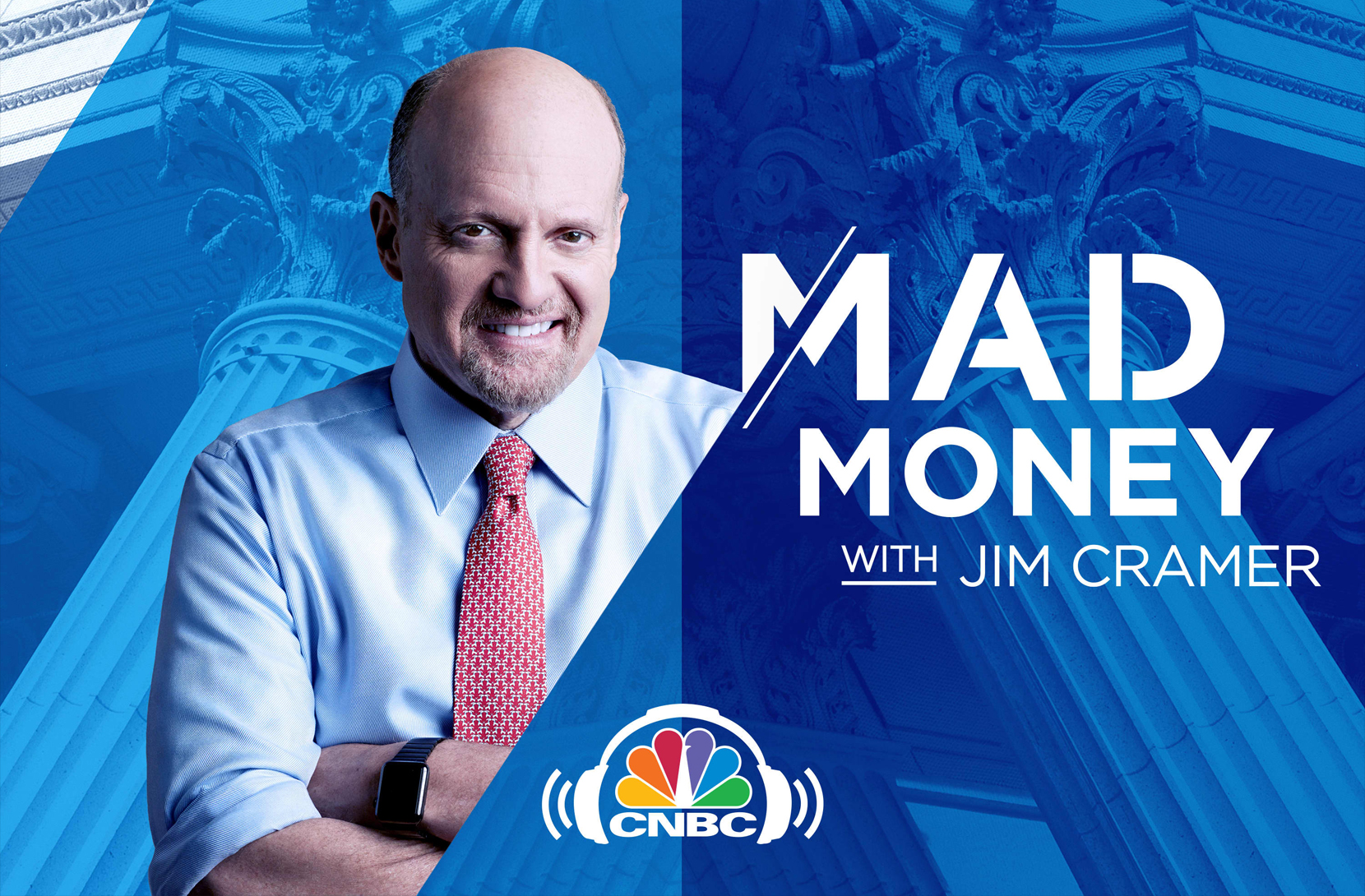
This analysis is based on the Benzinga report [1] published on November 13, 2025, which reported Jim Cramer’s recommendation to avoid buying Doximity (DOCS) due to valuation concerns. The event occurred during CNBC’s “Mad Money Lightning Round” on November 12, 2025, where Cramer stated the telehealth firm is “still too expensive” and advised investors to “wait on that one” [1][2].
The market reaction was immediate and significant. DOCS declined 3.34% on November 13 to $50.96, continuing a broader downtrend that has seen the stock fall 27.51% over the past 30 trading days from $70.30 to current levels [0]. This decline occurred despite the company’s strong Q2 2026 earnings beat, where DOCS reported EPS of $0.45 (exceeding estimates by $0.07) and revenue of $168.5 million (beating consensus of $157.6 million) [1].
The stock’s underperformance appears stock-specific rather than sector-driven, as the Healthcare sector showed modest positive performance (+0.33%) on November 13, while major indices were mixed (S&P 500: -0.25%, NASDAQ: -0.67%, Dow Jones: +0.50%) [0].
The most striking insight is the significant disconnect between Cramer’s valuation concerns and Wall Street’s bullish consensus. While Cramer emphasizes that DOCS is “still too expensive” [1], the stock maintains a consensus BUY rating (69.83 score) with a $71 price target representing 39.3% upside potential [0]. This divergence highlights different valuation methodologies and time horizons between media commentary and traditional analyst coverage.
Cramer’s assessment appears fundamentally supported by quantitative metrics. DOCS trades at premium multiples including P/E ratio of 40.77x, P/B ratio of 8.73x, and EV/OCF of 29.43x [0]. These multiples are significantly above healthcare technology averages, suggesting the stock remains expensive despite its 27.51% decline over the past month. The company’s $9.57B market cap [0] reflects substantial investor expectations that may be difficult to sustain in a rising rate environment.
The company demonstrates robust underlying fundamentals that complicate the valuation picture. DOCS maintains strong revenue growth (23.2% YoY), exceptional profitability (net margin of 40.72%, ROE of 23.90%), and solid liquidity (current ratio of 7.79) [0]. Additionally, 95.3% of revenue comes from subscription services, providing recurring revenue stability [0]. This fundamental strength explains Wall Street’s bullish stance despite Cramer’s caution.
Notably, Cramer’s recommendation came after the stock had already declined significantly, suggesting his view may reflect broader market concerns rather than being the primary driver of the downtrend. The elevated trading volume of 2.35M shares (vs. average 1.44M) on November 13 [0] indicates continued investor uncertainty about appropriate valuation levels.
Investors should track quarterly guidance and subscriber growth metrics, AI product monetization progress, competitive developments in telehealth space, healthcare spending trends, and interest rate movements affecting high-multiple stocks [0][3].
The event centers on Jim Cramer’s November 12, 2025 recommendation to avoid buying Doximity (DOCS) due to valuation concerns, despite the company’s strong Q2 2026 earnings beat [1][2]. The stock currently trades at $50.96, down 3.34% on November 13 and 27.51% over the past 30 days [0].
Quantitative analysis supports Cramer’s “too expensive” assessment, with DOCS trading at premium multiples (P/E 40.77x, P/B 8.73x) that are significantly above healthcare technology averages [0]. However, the company maintains strong fundamentals including 23.2% YoY revenue growth, 40.72% net margin, and 95.3% subscription-based revenue providing stability [0].
The notable disconnect between Cramer’s cautious stance and Wall Street’s BUY consensus (69.83 score, $71 price target) creates an interesting investment dilemma [0]. Recent news has cited “uncertainty over client budgets” as a concern [3], though specific details remain limited.
The stock’s elevated trading volume (2.35M vs. 1.44M average) and continued decline suggest ongoing market uncertainty about appropriate valuation levels [0]. The resolution likely depends on DOCS’s ability to maintain growth trajectories, successfully monetize AI initiatives, and navigate potential healthcare budget pressures.
Insights are generated using AI models and historical data for informational purposes only. They do not constitute investment advice or recommendations. Past performance is not indicative of future results.
About us: Ginlix AI is the AI Investment Copilot powered by real data, bridging advanced AI with professional financial databases to provide verifiable, truth-based answers. Please use the chat box below to ask any financial question.