
RUBI Stock Analysis: Pre-market Spike and Short Squeeze Dynamics
Unlock More Features
Login to access AI-powered analysis, deep research reports and more advanced features
About us: Ginlix AI is the AI Investment Copilot powered by real data, bridging advanced AI with professional financial databases to provide verifiable, truth-based answers. Please use the chat box below to ask any financial question.
Related Stocks
This analysis examines the dramatic pre-market movement in RUBI stock, which spiked over 50% to approximately $0.30 with a short borrow rate exceeding 400%, as reported in the Reddit discussion. The event occurred on November 13, 2025, at 05:48 EST, raising questions about whether investors have missed the opportunity or if the momentum will continue during regular trading hours.
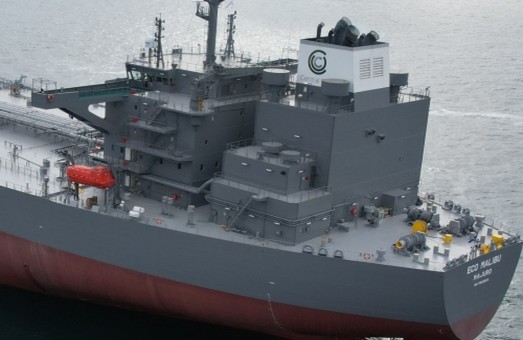
RUBI (Rubico Inc.) represents a recent market entrant that began trading independently on August 4, 2025, following its spin-off from Top Ships Inc. The company operates two modern, fuel-efficient 157,000 dwt Suezmax tankers (M/T Eco Malibu and M/T Eco West Coast) in the marine shipping sector [1]. Despite its recent market debut, RUBI has demonstrated exceptional performance with a year-to-date return of 58.72%, significantly outperforming the S&P 500’s 12.84% return [2].
The company’s financial position strengthened further in November 2025 through the completion of $10.4 million in sale and leaseback financing agreements for its two tankers [3]. This strategic move improved liquidity while maintaining operational control of the vessels through 10-year bareboat charters [4].
The pre-market spike to $0.30 represents a substantial move from recent trading levels, with the short borrow rate above 400% indicating extreme short-squeeze conditions. This suggests that short sellers are paying exceptionally high borrowing costs, potentially forcing position coverage and creating upward price pressure.
RUBI’s valuation metrics remain attractive, with a P/E ratio of 1.30 and price-to-book ratio of 0.23, suggesting the stock may be undervalued based on fundamental analysis [2]. However, the current price action appears disconnected from these fundamentals, driven instead by technical factors and market sentiment.
The marine shipping sector is experiencing strong fundamentals, with Suezmax tanker earnings around $60,000 per day [6]. Additionally, IMO sustainability regulations are accelerating fleet recycling and replacement demand, creating favorable conditions for modern, fuel-efficient vessels like those operated by RUBI [6].
The combination of a 400%+ short borrow rate and 50%+ pre-market spike indicates a classic short squeeze scenario. This occurs when short sellers face high borrowing costs and are forced to cover their positions, creating artificial buying pressure that can drive prices higher temporarily.
RUBI’s strong fundamentals (low valuation metrics, successful financing, sector tailwinds) contrast with the current technical-driven price action. The company’s 58.72% YTD performance through normal market conditions suggests genuine investor interest, but the current spike appears speculative [2].
Recent trading volume shows significant interest with daily volume of 6,167 shares compared to an average of 334,712 shares [2]. This lower liquidity environment can exacerbate price movements during short squeeze conditions.
- Extreme Volatility: The 400%+ short borrow rate suggests highly unstable conditions that could reverse quickly
- Speculative Pricing: Current levels may not reflect underlying business fundamentals
- Liquidity Risk: Lower average trading volume can lead to rapid price swings
- Short Squeeze Unsustainability: Historical patterns show such spikes often reverse sharply
- Sector Strength: Marine shipping fundamentals remain robust with strong tanker rates [6]
- Valuation Support: Attractive P/E and P/B ratios may provide price support at lower levels
- Fleet Modernization: Company’s fuel-efficient vessels benefit from environmental regulations [6]
RUBI’s current pre-market spike appears driven primarily by short squeeze dynamics rather than new fundamental developments. The company’s underlying business remains solid with successful financing completion and attractive valuation metrics [2, 3]. However, the extreme short borrow rate above 400% and rapid price appreciation create high-risk conditions that may not sustain through regular trading hours.
The marine shipping sector’s strong fundamentals provide some support for the company’s long-term prospects [6], but investors should be aware that current price levels may reflect temporary technical factors rather than sustainable business value. The company’s recent spin-off status and limited trading history add additional complexity to the analysis.
Insights are generated using AI models and historical data for informational purposes only. They do not constitute investment advice or recommendations. Past performance is not indicative of future results.
About us: Ginlix AI is the AI Investment Copilot powered by real data, bridging advanced AI with professional financial databases to provide verifiable, truth-based answers. Please use the chat box below to ask any financial question.