
Fed Policy Analysis: Collins' Hawkish Stance Signals Potential Pause in Rate Cuts
Unlock More Features
Login to access AI-powered analysis, deep research reports and more advanced features
About us: Ginlix AI is the AI Investment Copilot powered by real data, bridging advanced AI with professional financial databases to provide verifiable, truth-based answers. Please use the chat box below to ask any financial question.
Related Stocks
This analysis is based on the CNBC report [1] published on November 12, 2025, detailing Boston Fed President Susan Collins’ hawkish monetary policy stance.
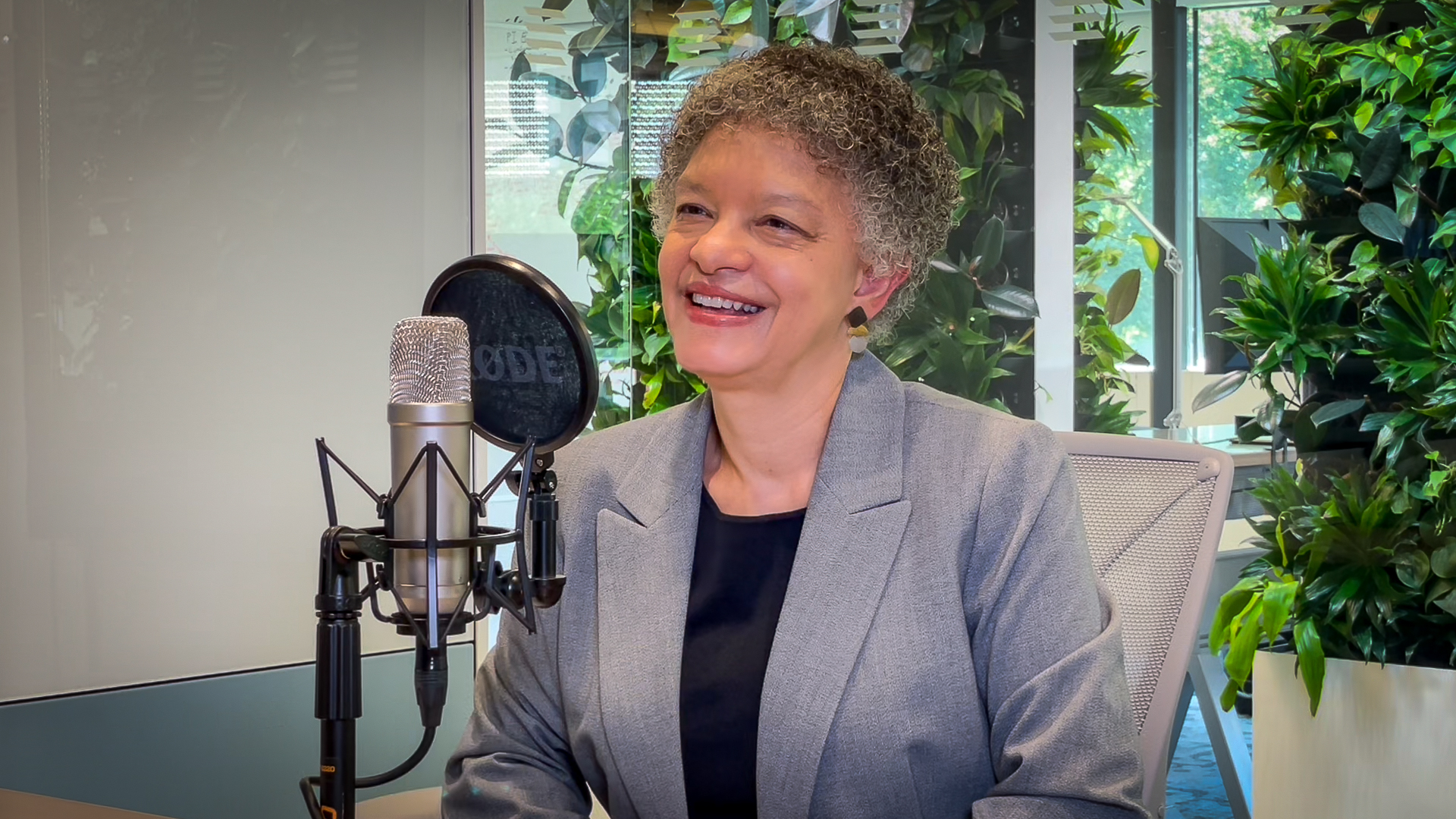
Boston Federal Reserve President Susan Collins, a voting member of the Federal Open Market Committee (FOMC), articulated a clear reluctance to support further interest rate cuts in the near term [1]. Collins emphasized there is “a relatively high bar for additional easing in the near term” and indicated that policy rates should remain at current levels “for some time to balance the inflation and employment risks in this highly uncertain environment” [1].
While Collins supported the October 2025 quarter-point rate cut, she expressed concern that further easing could undermine the Fed’s efforts to bring inflation back to the 2% target [1]. Her position aligns her with the hawkish faction within the Fed and highlights growing divisions among committee members regarding future monetary policy direction. The Fed has implemented two consecutive 25-basis-point cuts in September and October 2025, bringing the federal funds rate to a target range of 3.75%-4.00% [2].
The hawkish sentiment from Collins contributed to mixed market performance on November 12, 2025 [0]:
- S&P 500 (^GSPC): Closed at 6,850.92, down 16.85 points (-0.25%)
- NASDAQ Composite (^IXIC): Closed at 23,406.46, down 157.38 points (-0.67%)
- Dow Jones Industrial Average (^DJI): Closed at 48,254.82, up 239.03 points (+0.50%)
- Russell 2000 (^RUT): Closed at 2,450.80, down 12.56 points (-0.51%)
The divergence between the Dow’s modest gain and the tech-heavy NASDAQ’s decline suggests a rotation away from growth stocks toward more defensive sectors, consistent with concerns about higher-for-longer interest rates.
Sector performance reflected the hawkish policy stance [0]:
- Communication Services: +1.38% (outperforming)
- Basic Materials: +0.61%
- Healthcare: +0.36%
- Technology: -0.81% (underperforming)
- Energy: -1.22% (worst performer)
- Consumer Cyclical: -0.64%
The underperformance of rate-sensitive sectors like Technology and Real Estate (-0.61%) aligns with Collins’ hawkish stance, while defensive sectors showed relative strength.
A significant disconnect exists between market expectations and Fed officials’ communications:
- Market Pricing: Implied 72% chance of December cut [2]
- Goldman Sachs Forecast: Still expects December cut [3]
- Collins’ Stance: High bar for additional easing, reluctant to support cuts [1]
- Powell’s Position: Previously stated December cut is “not a foregone conclusion” [1]
This divergence creates potential for market volatility if the Fed holds rates steady in December. Collins’ remarks create significant uncertainty ahead of the December 9-10, 2025 FOMC meeting.
Collins’ reluctance to support further cuts stems from three key concerns [1]:
-
Persistent Inflation: Collins noted that “inflation still high” and that additional easing could “slow - or possibly even stall - the return of inflation to target”
-
Data Limitations: The government shutdown has created a “lack of data” situation, with key October inflation and employment reports potentially unavailable
-
Resilient Demand: Collins observed that “with resilient demand, the downside risks to employment, while present, do not seem to have increased further since the summer”
Collins’ position adds to the growing dissent within the FOMC, where the October meeting saw a 10-2 vote split with Governor Stephen Miran wanting a larger cut and Kansas City Fed President Jeffrey Schmid opposing any cut [1]. This internal disagreement suggests the Fed may be approaching a pivot point in its monetary policy approach.
-
Policy Shock Risk: If the Fed holds rates steady in December contrary to market expectations, it could trigger significant market volatility, particularly in rate-sensitive sectors
-
Inflation Persistence Risk: Collins’ warning that further easing could stall inflation progress suggests underlying inflationary pressures may be more entrenched than anticipated
-
Data Uncertainty Risk: The lack of reliable economic data due to the government shutdown increases the probability of policy mistakes
-
Fed Credibility Risk: Growing divisions within the FOMC could undermine market confidence in the Fed’s ability to communicate clear policy guidance
-
FOMC Member Communications: Watch for additional comments from other voting members ahead of the December meeting
-
Data Releases: Monitor when delayed October economic reports will be released and their implications
-
Market Pricing Changes: Track shifts in Fed funds futures and options pricing for December and beyond
-
Inflation Indicators: Pay attention to alternative inflation measures that may be available despite government data delays
-
Sector Rotation Patterns: Monitor whether the current rotation away from growth stocks accelerates or reverses
The combination of persistent inflation, data limitations, and growing Fed divisions creates significant uncertainty about near-term monetary policy direction. Collins’ hawkish stance suggests the market may be overpricing the probability of December rate cuts, which could lead to sharp market adjustments if the Fed holds rates steady. The lack of reliable economic data due to the government shutdown compounds this uncertainty, making policy decisions particularly challenging and increasing the potential for unexpected outcomes.
Critical information gaps include the absence of October economic data due to the government shutdown, unclear consensus among FOMC voting members beyond the October 10-2 split, and limited visibility into inflation trends without October CPI data. These factors warrant close monitoring as the December FOMC meeting approaches.
Insights are generated using AI models and historical data for informational purposes only. They do not constitute investment advice or recommendations. Past performance is not indicative of future results.
About us: Ginlix AI is the AI Investment Copilot powered by real data, bridging advanced AI with professional financial databases to provide verifiable, truth-based answers. Please use the chat box below to ask any financial question.