
Wendy's Store Closures Reflect Fast-Food Industry Headwinds and Consumer Spending Pressures
Unlock More Features
Login to access AI-powered analysis, deep research reports and more advanced features
About us: Ginlix AI is the AI Investment Copilot powered by real data, bridging advanced AI with professional financial databases to provide verifiable, truth-based answers. Please use the chat box below to ask any financial question.
Related Stocks
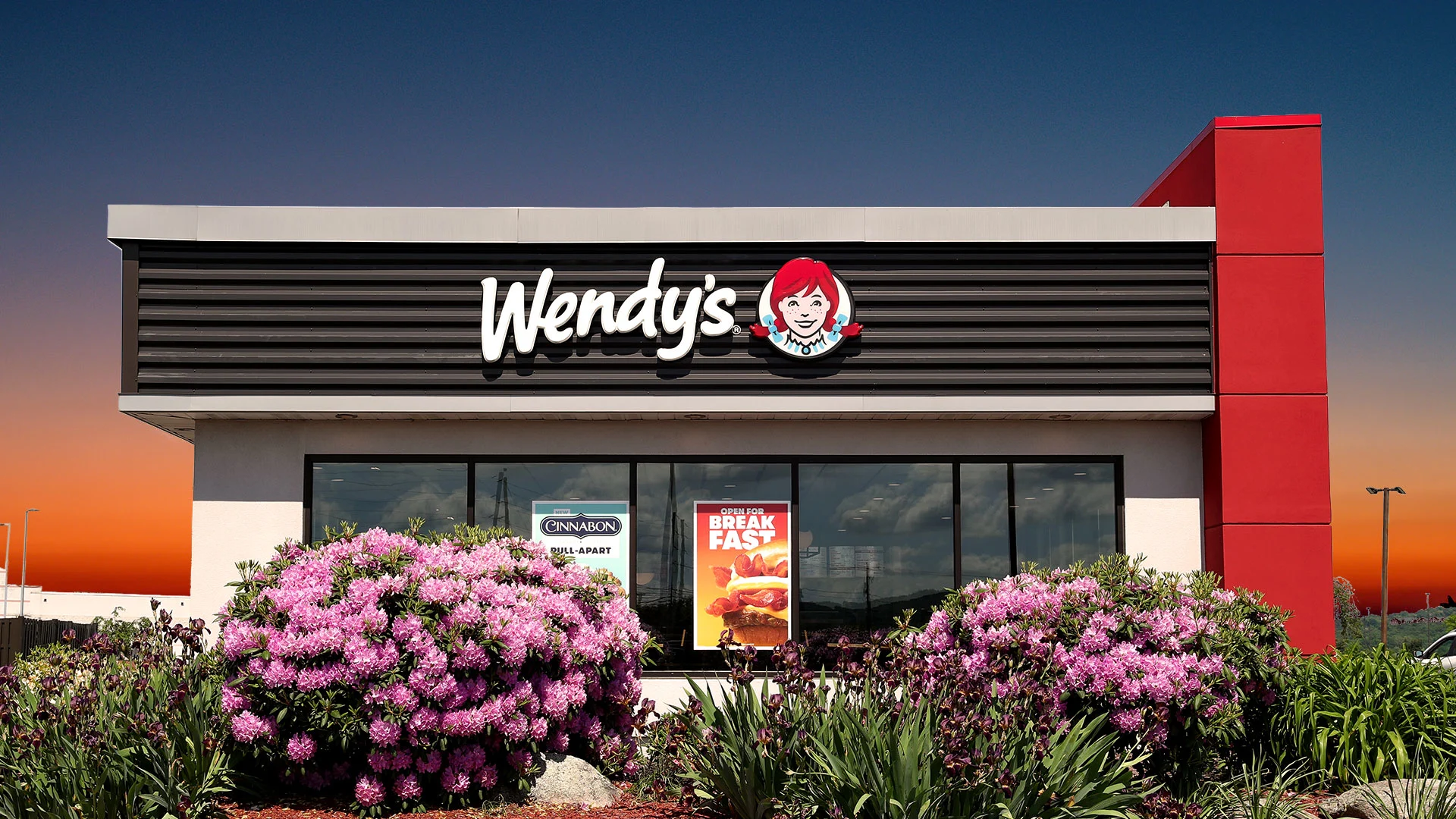
This analysis is based on the CBS News report [1] published on November 7, 2025, regarding Wendy’s announcement to close hundreds of U.S. stores as low-income consumers reduce spending. The announcement represents a significant strategic shift for the 55-year-old fast-food chain and reflects broader industry headwinds affecting the quick-service restaurant sector.
Wendy’s interim CEO Ken Cook revealed plans to close a “mid-single-digit percentage” of its 6,011 U.S. restaurants, representing approximately 240-360 store closures [1]. This follows the closure of 240 U.S. locations in 2024, marking the second consecutive year of substantial store retrenchment [1]. The closures are part of Wendy’s “Project Fresh” turnaround plan launched in October 2025, which strategically pivots from unit growth to focusing on increasing average unit volume (AUV) and operational efficiency [2].
The company’s financial performance has deteriorated significantly, with U.S. same-store sales falling 4% in the first nine months of 2025, revenue declining 2% to $1.63 billion, and net income dropping 6% to $138.6 million [1]. This performance gap is particularly pronounced when compared to competitors, as Wendy’s reported a 4.7% decline in same-store sales during Q2 2025, while both McDonald’s and Burger King posted gains through aggressive value meal promotions [2][3].
- Economic Sensitivity:The fast-food industry’s heightened sensitivity to economic cycles has been amplified by current inflationary pressures. Companies with diverse geographic markets, strong value propositions, and operational flexibility are better positioned to weather economic volatility [0].
- Supply Chain Volatility:The industry faces ongoing supply chain volatility, particularly in protein costs. Beef, poultry, and seafood costs remain vulnerable to weather disruptions, feed price fluctuations, and global supply issues [5].
- Labor Market Uncertainty:Labor market uncertainty continues to challenge operators, with wage pressure and staff turnover persisting as significant headwinds [5]. These challenges are particularly acute for franchisees operating on thin margins.
- Operational Efficiency Focus:The shift from unit growth to same-store sales optimization requires enhanced operational efficiency. Companies that can leverage technology, streamline operations, and improve labor productivity will have significant competitive advantages [0].
- Digital Transformation:The acceleration of digital ordering, delivery, and loyalty programs represents both an opportunity and challenge. Brands that successfully integrate digital experiences with physical operations are likely to gain competitive advantage [5].
- Brand Differentiation:In an increasingly commoditized market, brand differentiation through quality, experience, and sustainability messaging has become critical. Wendy’s commitment to 100% sustainably sourced packaging by 2026 represents attempts to differentiate beyond price [3].
Wendy’s store closures reflect a strategic response to fundamental shifts in the fast-food landscape. The company’s financial metrics show concerning trends: U.S. same-store sales declining 4%, revenue down 2% to $1.63 billion, and net income falling 6% to $138.6 million [1]. The closures are expected to improve sales and profitability at nearby locations, potentially benefiting remaining operators [1].
The broader industry context reveals that casual dining chains like Chili’s and Applebee’s are outperforming QSRs by successfully executing bundled value strategies, representing a significant realignment of competitive dynamics [5]. Wendy’s company-operated units outperformed franchise locations by 4% in Q3 2025, suggesting inconsistent execution across the system [2].
For stakeholders, the closures will create significant commercial real estate opportunities and challenges, while Wendy’s supply chain partners will face reduced volume from the store closures [0]. However, the company’s focus on improving remaining locations’ performance could create opportunities for suppliers offering technology, equipment, and operational improvement solutions.
Insights are generated using AI models and historical data for informational purposes only. They do not constitute investment advice or recommendations. Past performance is not indicative of future results.
About us: Ginlix AI is the AI Investment Copilot powered by real data, bridging advanced AI with professional financial databases to provide verifiable, truth-based answers. Please use the chat box below to ask any financial question.