
Prime Brokerage Revenue Surge: Hedge Fund Strength Drives Wall Street Banking Gains in Q4 2025
Unlock More Features
Login to access AI-powered analysis, deep research reports and more advanced features
About us: Ginlix AI is the AI Investment Copilot powered by real data, bridging advanced AI with professional financial databases to provide verifiable, truth-based answers. Please use the chat box below to ask any financial question.
Related Stocks
Wall Street’s largest banks experienced significant growth in their prime brokerage units during 2025, driven by exceptional hedge fund performance and elevated leverage levels across the multi-strategy fund space. JPMorgan Chase reported a 40% surge in equity markets revenues to $2.9 billion in Q4 2025, while Bank of America saw a 23% jump in its equities business and Citigroup reported prime balances rising more than 50% [1]. The hedge fund industry’s best calendar year since 2009, with the HFRI Fund Weighted Composite Index gaining 12.6%, directly translated into increased borrowing and trading activity that fueled fee income for prime brokerage providers [2]. This performance divergence between financials and lagging sectors like technology suggests a rotation dynamic that market participants should monitor closely.
The fourth quarter 2025 earnings season revealed prime brokerage as a primary growth engine for Wall Street’s largest financial institutions, with each major bank reporting substantially improved results from their hedge fund services divisions. JPMorgan Chase emerged as a standout performer, with its equity markets division generating $2.9 billion in Q4 revenue—a 40% year-over-year increase that CEO Jamie Dimon attributed directly to robust activity from prime brokerage clients [1][5]. The bank’s stock rose approximately 25% throughout 2025, significantly outperforming the broader market indices and reflecting investor confidence in its diversified revenue streams [5].
Bank of America’s prime brokerage unit similarly delivered strong results, contributing to a 23% increase in Q4 equities business revenues that helped drive total trading revenue to $4.5 billion—a 10% improvement over the prior year [1][5]. Citigroup’s performance proved particularly noteworthy, with the bank generating $1.1 billion in equities markets revenue while seeing prime balances climb more than 50% year-over-year [1]. CEO Jane Fraser emphasized that the bank’s prime brokerage growth has become increasingly tied to derivative capabilities, financing, and securitization activities, which now account for over 70% of its spread product business—a structural shift that has enhanced revenue quality and predictability [1].
Goldman Sachs and Morgan Stanley, which together control two of the world’s largest prime brokerage platforms, reported their results on January 15, 2026, with investors focusing closely on their hedge fund lending exposure and forward guidance [1]. Goldman Sachs shares had risen approximately 18% between late September and December 2025, suggesting market expectations for strong earnings from its prime brokerage division [4].
The extraordinary performance of hedge funds throughout 2025 created the fundamental conditions for prime brokerage revenue growth, with industry-wide returns reaching levels not seen since the post-financial crisis recovery. The HFRI Fund Weighted Composite Index advanced 12.6% for the calendar year, marking the best annual performance since 2009 and reflecting the successful navigation of elevated market volatility by skilled fund managers [2]. The HFRI Equity Hedge Index performed even better, gaining 17.3%—the strongest annual return since 2020—while the HFRI Macro Index recorded a 9.9% gain supported by a seven-month consecutive positive streak [2].
Individual fund performance highlighted the breadth of success across the industry, with Bridgewater Associates’ Pure Alpha II fund delivering a 34% return, D.E. Shaw’s Oculus fund generating 28.2% gains, and Melqart Asset Management’s Melqart Opportunities vehicle producing an exceptional 45.1% return [2]. Citadel’s Wellington fund added 10.2% to its returns, while AQR Capital’s Apex vehicle generated 19.6% gains—collectively demonstrating that the industry’s success was broadly distributed across both macro and equity-focused strategies [2]. Stock-picking hedge funds specifically returned 16.24%, nearly matching the S&P 500’s 16.4% gain while maintaining lower volatility profiles that appealed to institutional investors [1].
The hedge fund industry’s assets under management reached record levels of $4.98 trillion by end-September 2025, providing substantial base income for prime brokers while the elevated trading activity generated additional transactional fee revenue [2]. This combination of growing asset bases and exceptional performance created a virtuous cycle where strong returns attracted additional capital, which in turn increased borrowing capacity and trading activity.
Data from Goldman Sachs, JPMorgan, and Morgan Stanley reveals that hedge funds are employing near-record leverage levels for equities and debt-backed strategies, with traditional long/short funds operating at all-time high leverage that continues rising [1]. This elevated leverage directly amplifies prime brokerage fee income, as banks earn interest spreads on borrowed funds while providing the securities lending and financing services that enable expanded position sizes. The willingness of hedge funds to maintain elevated leverage reflects both their confidence in continued market direction and the competitive pricing offered by prime brokers battling for market share since Credit Suisse’s 2023 exit from the business [1].
The competitive dynamics among prime brokers have intensified following Credit Suisse’s collapse, which wound down its brokerage lending operations after incurring significant losses from the Archegos Capital Management failure [1]. This market restructuring created opportunities for surviving banks to capture displaced client relationships, with the resulting competition driving innovation in financing rates and service offerings while maintaining disciplined risk management around leverage exposure.
The Financial sector demonstrated notable resilience during this period, advancing 0.53% on January 14, 2026, while technology and consumer cyclical sectors experienced declines of 1.08% and 1.18% respectively [0]. This performance divergence suggests a meaningful rotation away from growth-oriented sectors toward financial institutions, potentially reflecting expectations for continued earnings strength in banking and the completion of rate normalization cycles. The Nasdaq Bank Index climbed nearly 5% during Q4 2025, outperforming the S&P 500’s 3.5% quarterly gain and signaling sustained investor appetite for financial sector exposure [4].
Large investment banks, particularly Goldman Sachs and Morgan Stanley, significantly outperformed regional banking institutions during the fourth quarter, reflecting the differentiated growth trajectories between capital markets-focused institutions and deposit-dependent commercial banks [4]. The Financial sector led all S&P sectors in performance during December 2025, extending a trend that positioned banks favorably into the new year [4].
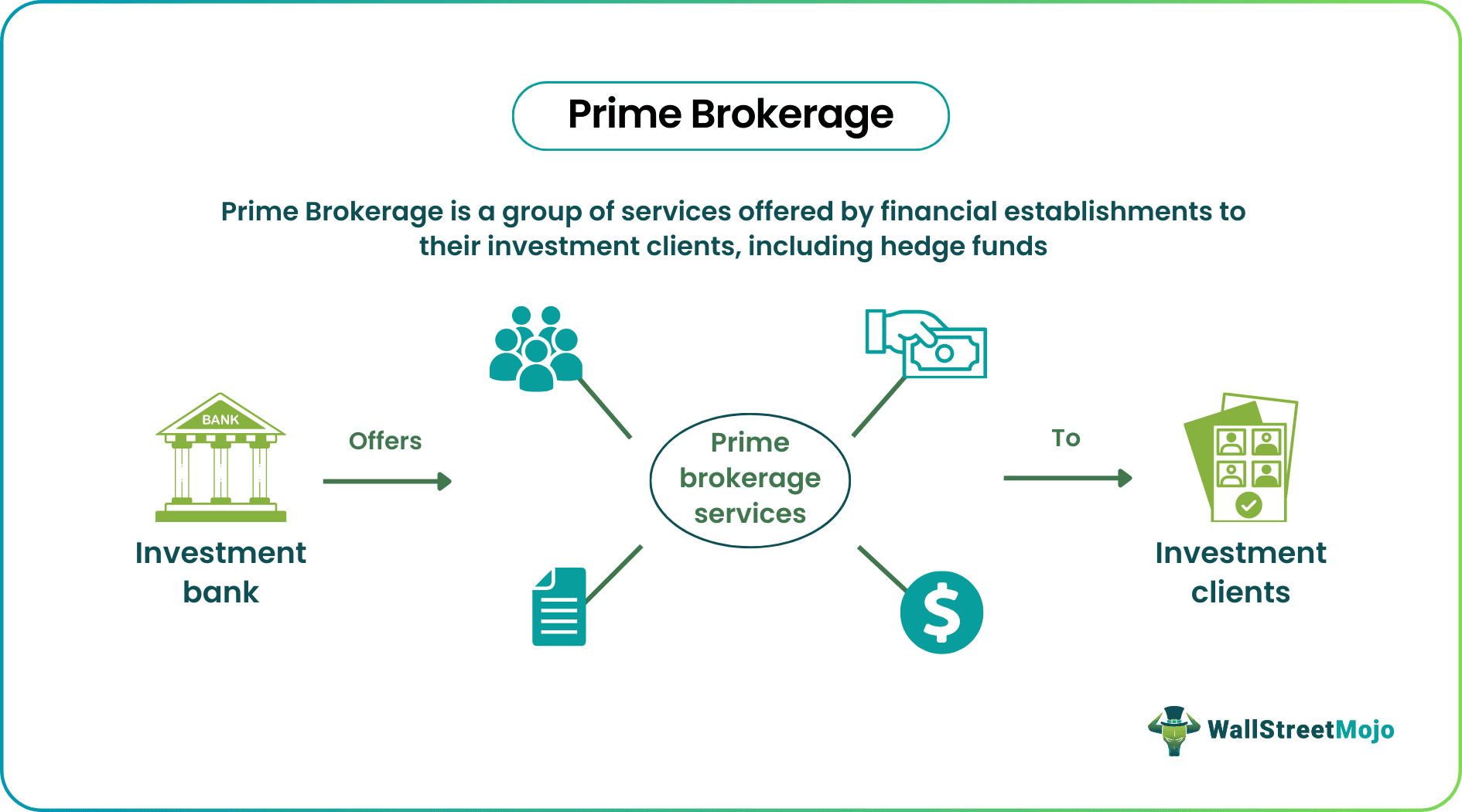
The prime brokerage industry has undergone a fundamental evolution in its business model, transitioning from a traditional securities lending focus toward an integrated financial services platform that encompasses derivatives, structured products, and sophisticated financing solutions. Citigroup’s disclosure that derivative capabilities, financing, and securitization now account for over 70% of its spread product business illustrates this transformation, as banks have expanded service offerings to capture higher-margin activities while diversifying revenue streams away from pure securities lending [1]. This evolution has enhanced the stickiness of client relationships, as hedge funds increasingly rely on their prime brokers for complex trading infrastructure and customized financing solutions rather than basic custody and execution services.
Global macro hedge funds emerged as particularly important drivers of prime brokerage revenue growth, benefiting from the volatility created by U.S. trade policy changes—including the “Liberation Day” tariff announcements—that created opportunities to trade stocks, bonds, currencies, and commodities across multiple asset classes [1][2]. These funds’ use of near-record leverage for both equities and debt-backed strategies generated substantial financing revenue for prime brokers while demonstrating the sector’s appetite for sophisticated trading services [1]. The success of macro strategies, which maintained a seven-month positive streak in the HFRI Macro Index, validated the continued importance of discretionary and systematic global macro approaches within the hedge fund universe [2].
The competitive landscape for prime brokerage services has consolidated significantly following Credit Suisse’s 2023 departure from the market, creating a contest among remaining players—JPMorgan, Goldman Sachs, Morgan Stanley, Bank of America, and Citigroup—to capture displaced client relationships and expand wallet share with existing customers [1]. This competition has driven investment in technology infrastructure, derivatives capabilities, and client service levels while maintaining discipline around credit risk management in the wake of the Archegos failure. The resulting market structure favors institutions with diversified service offerings and strong balance sheets, positioning the largest banks to continue gaining market share against smaller competitors.
The record leverage levels currently employed by hedge funds represent a significant risk factor that warrants careful monitoring from market participants. Historical patterns demonstrate that extended periods of elevated leverage can amplify market corrections and create cascading effects through the financial system, as illustrated by the 2021 Archegos Capital failure that resulted in Credit Suisse’s decision to exit prime brokerage entirely [1]. Should market conditions deteriorate sharply, highly leveraged funds may face margin calls and forced deleveraging that could disrupt trading activity while potentially creating credit losses for prime brokers. The concentration of exposure among the largest multi-strategy funds—including D.E. Shaw, Balyasny, Bridgewater, and Point72—means that poor performance by a few key clients could materially impact bank revenues [1].
The strong correlation between hedge fund returns and prime brokerage fees creates inherent cyclical exposure that links bank earnings to continued market outperformance. A sustained market correction would simultaneously reduce hedge fund profitability, asset inflows, and borrowing activity—creating a compound negative effect on prime brokerage revenue [1]. This dynamic was evident in 2022, when market declines significantly compressed prime brokerage income across the industry, and remains a structural consideration for investors evaluating bank earnings quality.
The turbulent political environment, including ongoing investigations into Federal Reserve Chair Jerome Powell and potential changes to banking regulation, may complicate the 2026 outlook for major banks [6]. Regulatory changes affecting hedge fund leverage requirements or prime brokerage capital standards could impact future revenue growth trajectories, while political interference in monetary policy independence could increase market volatility and uncertainty. These factors introduce exogenous risks that extend beyond traditional credit and market risk considerations.
Despite elevated leverage concerns, the structural growth in hedge fund assets and continued market volatility create a favorable operating environment for prime brokerage-focused banks. The industry’s record AUM levels, combined with elevated but disciplined leverage utilization, suggest continued revenue growth potential for banks that maintain strong client relationships and risk management practices. Investors seeking exposure to this theme should consider the differentiated positioning of JPMorgan, Goldman Sachs, and Morgan Stanley, which have captured disproportionate market share following Credit Suisse’s exit while building comprehensive service platforms that generate higher-margin revenue.
Goldman Sachs and Morgan Stanley’s January 15, 2026 earnings reports represent important catalysts for market sentiment, with investors focusing on prime brokerage revenue specifics, forward guidance on hedge fund lending activity, and risk management disclosures around leverage exposure [1]. Any indication of slowing momentum or elevated credit concerns could trigger meaningful revaluation of the sector, while strong guidance may support continued outperformance relative to the broader market.
The analysis reveals that Wall Street’s prime brokerage units experienced exceptional growth during 2025, driven by the hedge fund industry’s strongest calendar year since 2009 and elevated leverage utilization across multi-strategy funds. JPMorgan Chase’s 40% surge in equity markets revenues to $2.9 billion, Bank of America’s 23% jump in equities business, and Citigroup’s 50% increase in prime balances collectively demonstrate the breadth of strength across major banking institutions [1]. The HFRI Fund Weighted Composite Index’s 12.6% gain and individual fund performances from Bridgewater, D.E. Shaw, and Citadel validated hedge fund managers’ ability to navigate market volatility while generating returns that attracted record capital inflows [2].
Market structure dynamics—including intensified competition following Credit Suisse’s 2023 exit and the transformation of prime brokerage toward integrated financial services—have reshaped the competitive landscape in ways that favor diversified, well-capitalized institutions. The concentration of assets among the largest hedge funds creates both opportunity and risk, as strong client relationships generate substantial revenue while performance setbacks among key accounts could materially impact earnings quality. Elevated leverage levels, while generating near-term fee income, represent a material risk factor that participants should monitor closely given historical precedents for cascading effects during market stress [1].
The Financial sector’s outperformance during Q4 2025, with the Nasdaq Bank Index climbing nearly 5% against the S&P 500’s 3.5% gain, reflects market recognition of these structural advantages [4]. However, the performance divergence between financials and lagging sectors like technology suggests a rotation dynamic that may not persist indefinitely, warranting ongoing attention to relative sector strength and momentum indicators.
Insights are generated using AI models and historical data for informational purposes only. They do not constitute investment advice or recommendations. Past performance is not indicative of future results.
About us: Ginlix AI is the AI Investment Copilot powered by real data, bridging advanced AI with professional financial databases to provide verifiable, truth-based answers. Please use the chat box below to ask any financial question.