
Strategic Value Analysis of Moore Threads MTT S5000 AI Computing Cluster's Breakthrough in Embodied Intelligence Training
Unlock More Features
Login to access AI-powered analysis, deep research reports and more advanced features
About us: Ginlix AI is the AI Investment Copilot powered by real data, bridging advanced AI with professional financial databases to provide verifiable, truth-based answers. Please use the chat box below to ask any financial question.
Related Stocks
Based on the latest collected materials and data, I will systematically analyze the technological breakthrough and strategic significance of Moore Threads MTT S5000 AI Computing Cluster in embodied intelligence training scenarios.
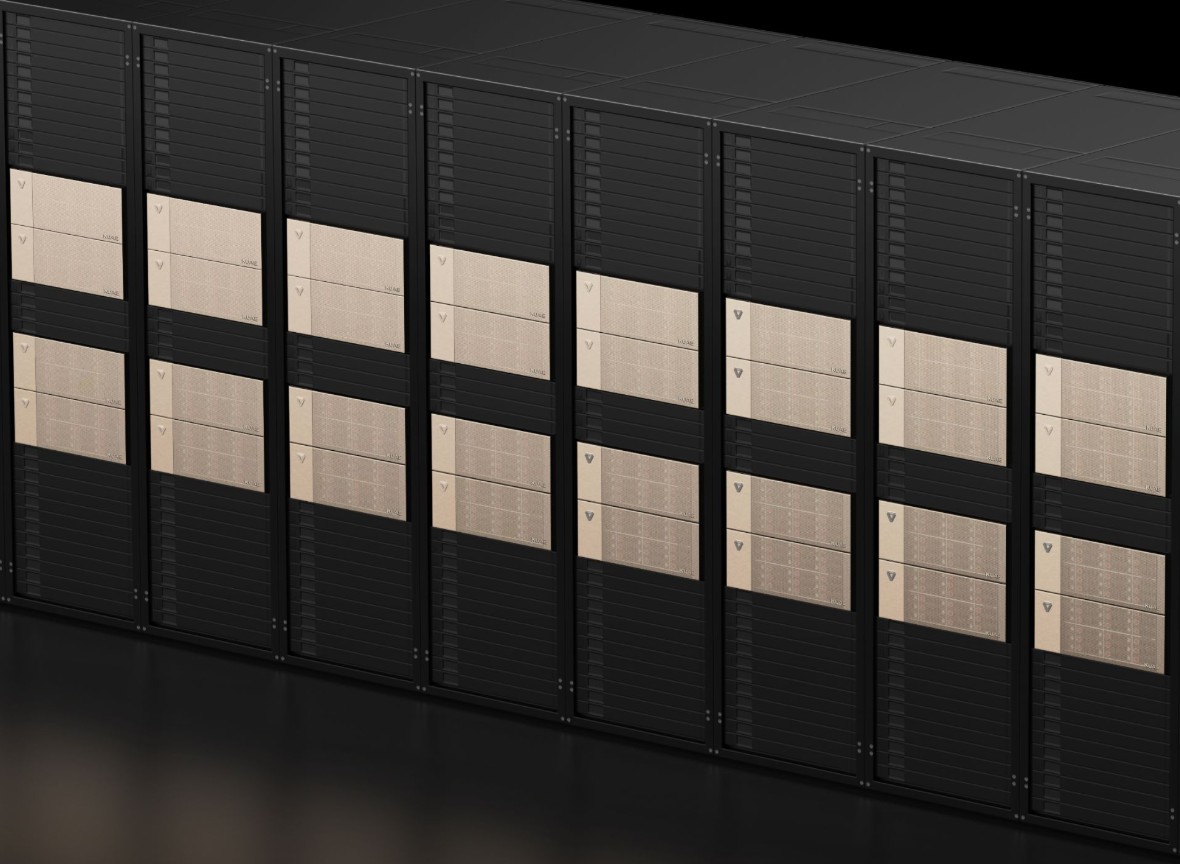
January 13, 2026, Moore Threads, in conjunction with the Beijing Academy of Artificial Intelligence (BAAI), announced that based on the FlagOS-Robo framework and the MTT S5000 1024-card AI computing cluster, it successfully completed the full-process training of the embodied brain model RoboBrain 2.5. This breakthrough is a milestone achievement:
| Core Indicator | Measured Result | Industry Significance |
|---|---|---|
Model Accuracy Alignment |
Loss error < 0.62%, highly consistent with training results of international mainstream GPUs | Proves domestic computing power is fully substitutable |
Linear Scaling Efficiency |
64 cards → 1024 cards, scaling efficiency over 90% | Capable of 10,000-card-level training |
Cross-Platform Compatibility |
“no code changes, no accuracy degradation” lossless migration | Reduces developer migration costs |
Evaluation Performance |
Superior performance in tasks such as CrossPoint and Q-Spatial | Technical indicators reach industry-leading standards |
This breakthrough marks the
| Time Node | Market Size Forecast | Driving Factors |
|---|---|---|
| 2025 | RMB 500 billion | First inclusion in government work report |
| 2027 | RMB 1.25 trillion | Technological maturity + large-scale application |
| 2030 | RMB 5 trillion | Full-scenario penetration |
| 2035 | Exceeding RMB 10 trillion | Ecosystem maturity |
According to data from the Ministry of Industry and Information Technology, China has formed a complete artificial intelligence industrial system, with the core industry scale exceeding RMB 900 billion. The Development Research Center of the State Council predicts that the market size of embodied intelligence is expected to reach RMB 400 billion by 2030 and exceed RMB 1 trillion by 2035 [3][4].
In 2025, embodied intelligence was first included in the government work report, becoming a national strategy. Cities such as Beijing, Shanghai, and Shenzhen have intensively introduced supportive policies:
- Beijing: Plans to cultivate over 50 core enterprises and achieve mass production scale exceeding 10,000 units by 2027
- Shenzhen: Targets industry scale exceeding RMB 100 billion
- Shanghai: Lists embodied intelligence as one of the five key AI R&D directions
| Enterprise | Market Share | Advantage Areas |
|---|---|---|
| NVIDIA | 54.4% | Full-function GPU, mature software ecosystem |
| HiSilicon (Huawei) | 21.4% | ASIC chips, Ascend 910 series |
| AMD | 15.3% | GPGPU, MI300X |
Moore Threads and Others |
<1% |
Full-function GPU, domestic substitution |
Although Moore Threads holds a market share of less than 1% in the domestic AI chip market, its full-function GPU positioning makes it the only domestic enterprise that can benchmark against NVIDIA [5][6].
Embodied Intelligence Chip Competitiveness Matrix:

┌────────────────────────┬────────────┬──────────┬─────────────┬──────────┐
│         Capability Dimension         │ Moore Threads │   NVIDIA   │ HiSilicon (Huawei) │    AMD     │
├────────────────────────┼────────────┼──────────┼─────────────┼──────────┤
│ Embodied Intelligence Training Capability │     95     │    98     │         75         │     80     │
│ Domestic Substitution Adaptability  │     98     │    40     │         90         │     50     │
│ Supply Stability       │     95     │    50     │         85         │     60     │
│ Cost-Performance Advantage          │     85     │    30     │         80         │     55     │
│ Ecosystem Maturity     │     60     │   100     │         70         │     75     │
└────────────────────────┴────────────┴──────────┴─────────────┴──────────┘
Moore Threads has significant advantages in
Embodied intelligence is a
The cooperation with BAAI not only verifies technical capabilities, but more importantly:
- In-depth Adaptation to FlagOS-Robo Framework: Achieves smooth migration with “no code changes, no accuracy degradation”, reducing developer migration costs
- Full-Link Integration of Embodied Intelligence: Covers the entire process from data loading → model training → inference → embodied evaluation
- Discourse Power in Industry Standards: Participates in formulating domestic embodied intelligence computing power standards, seizing the high ground of the industry
BAAI is a top-tier AI research institution in China, and its endorsement will bring the following to Moore Threads:
- Enhanced Technical Credibility: Certification from a top research institution is equivalent to a “technical passport”
- Enhanced Financing Capability: Reduces investors’ concerns about technical risks
- Enhanced Talent Attraction: More appealing to high-end AI talents
| Substitution Area | Status Before Breakthrough | Opportunities After Breakthrough |
|---|---|---|
| Embodied Intelligence Training | 100% dependent on international GPUs | Domestic computing power becomes feasible |
| AI Computing Center Construction | Dominated by NVIDIA | Diversified supplier pattern takes shape |
| Robotics Enterprises | High cost + supply risks | Domestic solutions become an alternative |
┌───────────────────────────────────────────────────────────────────────────────────┐
│                          Moore Threads Embodied Intelligence Commercialization Roadmap                          │
├───────────────────────────────────────────────────────────────────────────────────┤
│                                                                                                                   │
│  Phase 1: Technical Verification Period (2024-2025)                                                                 │
│  ━━━━━━━━━━━━━━━━━━━━━━━━━━━━━━━━━━━━━━━━━━━━━━━━━━━━━━━━━━━━━━━━━━━━━━━━━━━━━━━━━━━━━━━━━━━━━━━━━━━━━━━━━━━━━━━  │
│  • Milestone: Successful training of RoboBrain 2.5                                                                 │
│  • Objective: Verify technical feasibility and establish industry benchmark                                        │
│  • Revenue Contribution: < RMB 100 million                                                                         │
│                                                                                                                   │
│  Phase 2: Market Introduction Period (2025-2026)                                                                   │
│  ━━━━━━━━━━━━━━━━━━━━━━━━━━━━━━━━━━━━━━━━━━━━━━━━━━━━━━━━━━━━━━━━━━━━━━━━━━━━━━━━━━━━━━━━━━━━━━━━━━━━━━━━━━━━━━━  │
│  • Milestone: Landing of first batch of commercial clients                                                         │
│  • Objective: Establish partnerships with 3-5 leading robotics enterprises                                        │
│  • Revenue Contribution: RMB 300-500 million                                                                      │
│                                                                                                                   │
│  Phase 3: Scale Expansion Period (2026-2027)                                                                       │
│  ━━━━━━━━━━━━━━━━━━━━━━━━━━━━━━━━━━━━━━━━━━━━━━━━━━━━━━━━━━━━━━━━━━━━━━━━━━━━━━━━━━━━━━━━━━━━━━━━━━━━━━━━━━━━━━━  │
│  • Milestone: Large-scale deployment of 10,000-card-level AI computing cluster                                      │
│  • Objective: Capture 10-15% of the embodied intelligence computing power market share                             │
│  • Revenue Contribution: RMB 1.2-1.5 billion                                                                       │
│                                                                                                                   │
│  Phase 4: Ecosystem Maturity Period (2027-2030)                                                                   │
│  ━━━━━━━━━━━━━━━━━━━━━━━━━━━━━━━━━━━━━━━━━━━━━━━━━━━━━━━━━━━━━━━━━━━━━━━━━━━━━━━━━━━━━━━━━━━━━━━━━━━━━━━━━━━━━━━  │
│  • Milestone: Full maturity of the ecosystem                                                                      │
│  • Objective: Become a leading brand in the embodied intelligence computing power sector                           │
│  • Revenue Contribution: RMB 3.5-5 billion                                                                       │
│                                                                                                                   │
└───────────────────────────────────────────────────────────────────────────────────┘
- Top scientific research institutions such as BAAI
- Leading humanoid robotics enterprises such as UBTECH and DeepBrain
- Embodied intelligence departments of tech giants such as Huawei, Alibaba, and Baidu
- Industrial robotics integrators
- Intelligent manufacturing solution providers
- Universities and research institutions
| Challenge | Impact | Countermeasure |
|---|---|---|
| 10,000-card Cluster Stability | Technical bottlenecks when cluster scale exceeds 2000 cards | Continuous iteration of the KUAE system |
| Software Ecosystem Gap | Gap of about 10 years compared to the CUDA ecosystem | Accelerate MUSA ecosystem construction |
| Performance Generation Gap | Still has a gap compared to NVIDIA’s latest products | Focus on advantages in segmented scenarios |
- Huawei shifts to GPGPU: According to The Information, Huawei is shifting from ASIC to GPGPU, which will form direct competition with Moore Threads [6]
- Price War Pressure: The window for domestic substitution is limited, requiring rapid market seizing
- Customer Verification Cycle: Long procurement decision-making cycle for large clients
- Loss of RMB 724 million in the first three quarters of 2025, with cumulative losses of approximately RMB 5 billion
- Profitability is not expected until 2027 (including government subsidies)
- High valuation (dynamic price-to-sales ratio of about 300x) requires continuous performance delivery for support
- Leverage Momentum for Promotion: Take the successful training of RoboBrain 2.5 as a case to actively expand customers in the embodied intelligence field
- Deepen Cooperation: Jointly release a technical white paper with BAAI to establish discourse power in industry standards
- Financing Reserve: Complete the next round of financing at a high valuation to reserve funds for future challenges
- Product Iteration: Accelerate R&D of the next-generation “Huagang” architecture products to narrow the generation gap with NVIDIA
- Ecosystem Construction: Promote the open-source of the MT Lambda Embodied Intelligence Simulation Training Platform and establish a developer community
- Capacity Expansion: Expand the delivery capacity of AI computing clusters, with the goal of delivering 10,000-card-level clusters by 2027
- Deepen Scene Focus: Focus on segmented scenarios such as industrial robots and service robots to establish a leading position in vertical fields
- Technology Integration: Lay out frontier fields such as AI for Science and quantum technology to maintain technological leadership
- Internationalization: Expand into overseas markets by laying out in countries along the “Belt and Road”
The breakthrough of Moore Threads MTT S5000 AI computing cluster in embodied intelligence training scenarios is
- Proves the technical feasibility of domestic full-function GPUs, breaking the doubt that “domestic computing power cannot support large model training”
- Establishes differentiated competitive advantages, seizing the first-mover opportunity in the emerging track of embodied intelligence
- Lays the foundation for subsequent commercial implementation, and is expected to achieve a leap from technical verification to large-scale revenue in the next 3-5 years
Against the backdrop of domestic substitution, whether Moore Threads can seize the historical opportunity of embodied intelligence and grow from a pursuer with a market share of <1% to a leader in the segmented field will depend on its subsequent technological iteration speed, ecosystem construction effectiveness, and commercial execution capabilities.
[1] Wall Street CN - “1024-card scaling efficiency over 90%! Moore Threads joins hands with BAAI: First verification of high efficiency of domestic 1024-card cluster in embodied intelligence model training” (https://wallstreetcn.com/articles/3763198)
[2] Dayoo.com (Guangzhou Daily) - “Domestic computing power first proves training capability of embodied brain model: Moore Threads and BAAI complete full-process training of RoboBrain 2.5” (https://news.dayoo.com/finance/202601/13/171077_54916451.htm)
[3] Xinhua News Agency - “Feeling the pulse of the 15th Five-Year Industry | Technology breaks into new scenarios, embodied intelligence opens up a trillion-yuan market space” (http://www.news.cn/fortune/20251124/5a19337f6b124f2789d7e1568cc99aff/c.html)
[4] Achie.org (High-Tech Research Institute) - “2025 China Embodied Intelligence Industry Development Plan and Scenario Application Insight” (http://www.achie.org/news/cygh/2025/0926/24900.html)
[5] 21st Century Business Herald - “Moore Threads questioned over RMB 7.5 billion wealth management after IPO: Can it become ‘China’s NVIDIA’?” (https://www.21jingji.com/article/20251219/herald/fcc07d5a57702ee5375739266d361e95.html)
[6] Ofweek - “Being ‘China’s NVIDIA’ is not easy” (https://mp.ofweek.com/ai/a456714859577)
[7] Securities Times - “Moore Threads publicly releases full-function GPU technology roadmap for the first time” (https://www.stcn.com/article/detail/3550271.html)
Insights are generated using AI models and historical data for informational purposes only. They do not constitute investment advice or recommendations. Past performance is not indicative of future results.
About us: Ginlix AI is the AI Investment Copilot powered by real data, bridging advanced AI with professional financial databases to provide verifiable, truth-based answers. Please use the chat box below to ask any financial question.