
Federal Scrutiny Intensifies on Tesla and Waymo as Autonomous Vehicle Safety Concerns Mount
Unlock More Features
Login to access AI-powered analysis, deep research reports and more advanced features
About us: Ginlix AI is the AI Investment Copilot powered by real data, bridging advanced AI with professional financial databases to provide verifiable, truth-based answers. Please use the chat box below to ask any financial question.
Related Stocks
This analysis is based on the Business Wire report [1] published on October 21, 2025, which highlighted intensified federal scrutiny of Tesla and Waymo’s autonomous vehicle operations. The development follows NHTSA’s investigation into Waymo’s robotaxis after a viral incident involving illegal passing of a stopped school bus, alongside relaxed crash-reporting rules that appear to benefit Tesla [2]. The autonomous vehicle market, projected to reach $991.70 billion by 2033, faces a critical inflection point balancing innovation against safety oversight [5].
The federal regulatory landscape is undergoing significant shifts with NHTSA’s Third Amended Standing General Order on Crash Reporting, effective June 16, 2025 [3][4]. Key changes include:
- Extended incident reporting timeline from one to five calendar days
- Elimination of separate ten-day reporting requirements
- Removal of reporting for minor property-damage-only crashes under $1,000
- Elimination of duplicate reporting requirements [3][4]
This regulatory relaxation creates a dual impact: while reducing compliance burdens for manufacturers, it raises concerns about transparency and public safety monitoring [1]. Tesla appears to benefit disproportionately from these relaxed requirements, potentially creating competitive advantages through reduced compliance costs and public scrutiny [1].
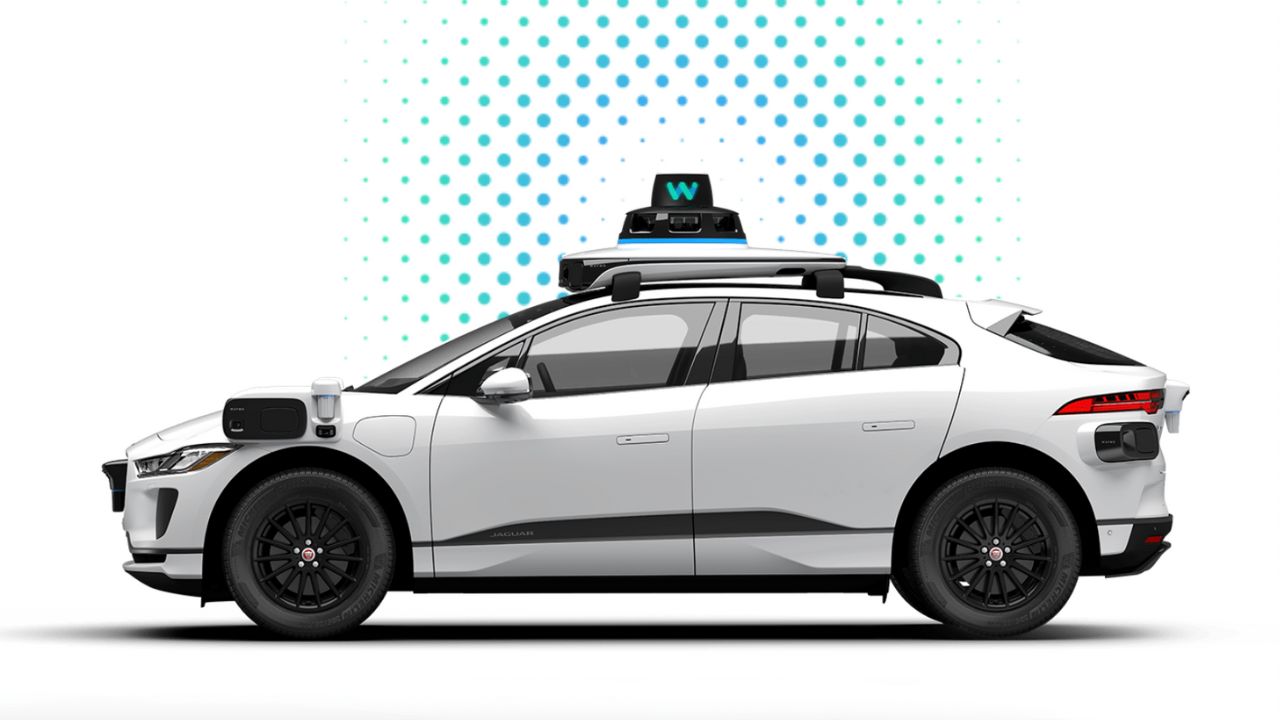
The Waymo school bus incident highlights critical safety gaps in autonomous vehicle deployment. NHTSA’s investigation covers approximately 2,000 Waymo vehicles, examining the system’s ability to recognize and respond to school bus safety protocols [2]. This incident underscores ongoing challenges in:
- Object Recognition: Ensuring AVs can reliably identify and respond to emergency vehicles and school buses
- Edge Case Handling: Managing rare but critical traffic scenarios
- Public Trust: Maintaining confidence in autonomous technology safety
The competitive landscape is becoming increasingly stratified between distinct technological approaches:
- Waymo: Full autonomous fleet deployment with extensive sensor suites including LiDAR
- Tesla: Vision-based approach with gradual Full Self-Driving (FSD) rollout
The industry is witnessing significant technological convergence and supply chain developments:
- Sensor Fusion: Advanced integration of LiDAR, radar, and vision systems becoming standard
- LiDAR Scaling: Solid-state LiDAR projected to grow at CAGR exceeding 60% through 2032 [8]
- Manufacturing Challenges: Automotive-grade LiDAR production scaling from 100,000 to millions of units presents substantial supply chain hurdles
- Semiconductor Growth: Sensor market growing at 4.5% in 2025, driven by automotive and IoT applications [7]
The regulatory changes create complex competitive dynamics that favor certain technological approaches over others. Tesla’s vision-based strategy may benefit from reduced reporting requirements compared to Waymo’s comprehensive sensor suite, which generates more incident data [1][3]. This regulatory environment could inadvertently shape technological development paths rather than allowing market forces to determine optimal solutions.
The current situation reveals systemic tensions in autonomous vehicle development:
- Innovation vs. Safety: Regulatory relaxation may accelerate deployment but reduce transparency, making safety oversight more challenging
- Cost vs. Performance: Tesla’s vision-based approach offers cost advantages but may sacrifice safety redundancy
- Public Trust vs. Technical Progress: High-profile incidents like the Waymo school bus case can significantly impact public acceptance, regardless of overall safety statistics
Major deployment milestones in 2025 demonstrate rapid geographic expansion despite safety concerns:
- September 2025: Lyft-Waymo partnership launched robotaxi services in Nashville
- June 2025: Uber began Waymo robotaxi service in Atlanta
- May 2025: Aurora’s Houston-Dallas autonomous trucking corridor operations [6]
- Regulatory Reversal Risk: Safety incidents could trigger renewed oversight and stricter reporting requirements, potentially reversing current regulatory advantages [1][3]
- Liability Exposure: The legal landscape around autonomous vehicle liability remains unsettled, creating uncertainty for manufacturers and operators
- Public Acceptance Risk: High-profile incidents documented by safety advocacy groups like Safe Street Rebels could slow adoption [2]
- Technology Standardization Risk: The industry faces ongoing debates about optimal sensor configurations, with significant strategic implications
- Market Growth: The autonomous vehicle market is projected to grow from $87.23 billion in 2024 to $991.70 billion by 2033 (31.01% CAGR) [5]
- Supply Chain Opportunities: The semiconductor sensor market expected to reach $20.6 billion in 2025 [7]
- Geographic Expansion: Multiple cities launching autonomous vehicle services in 2025 creates deployment opportunities [6]
- Technology Convergence: Advanced sensor fusion and edge computing present innovation opportunities
The October 2025 federal scrutiny of Tesla and Waymo represents a critical inflection point for the autonomous vehicle industry. While regulatory relaxation through NHTSA’s Third Amended Standing General Order may accelerate deployment in the short term, safety incidents and public concern could trigger renewed oversight [1][3][4]. The industry’s future trajectory will depend on balancing innovation imperatives with safety assurance, navigating evolving regulatory frameworks, and addressing fundamental technical challenges in edge case handling and sensor reliability.
The competitive landscape will likely continue to stratify, with companies successfully managing regulatory compliance while demonstrating superior safety performance gaining market advantage. Supply chain maturation, particularly in LiDAR and sensor technologies, will be crucial for achieving cost targets necessary for mass adoption [7][8].
Key stakeholders face distinct challenges: regulators must balance innovation promotion with safety assurance, investors must navigate regulatory uncertainty and liability exposure, technology suppliers can capitalize on market growth, and consumers require demonstrated safety in critical scenarios [1][2][5].
Insights are generated using AI models and historical data for informational purposes only. They do not constitute investment advice or recommendations. Past performance is not indicative of future results.
About us: Ginlix AI is the AI Investment Copilot powered by real data, bridging advanced AI with professional financial databases to provide verifiable, truth-based answers. Please use the chat box below to ask any financial question.