
DOJ Criminal Investigation into Fed Chair Powell Sparks Political and Market Concerns
Unlock More Features
Login to access AI-powered analysis, deep research reports and more advanced features
About us: Ginlix AI is the AI Investment Copilot powered by real data, bridging advanced AI with professional financial databases to provide verifiable, truth-based answers. Please use the chat box below to ask any financial question.
Related Stocks
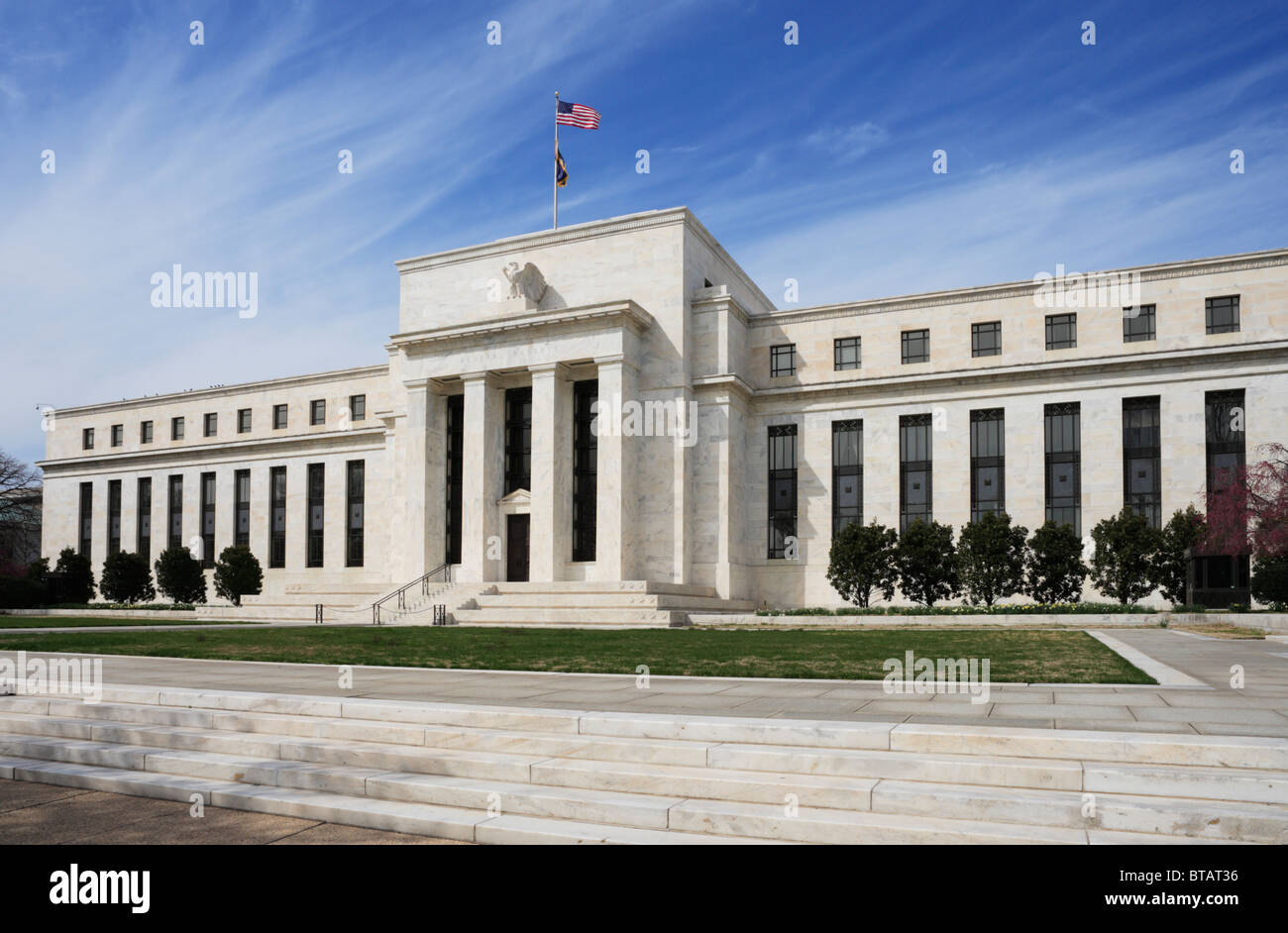
The Department of Justice’s criminal investigation into Federal Reserve Chair Jerome Powell represents an unprecedented escalation in the ongoing tension between the Trump administration and the independent central bank. The investigation, approved by U.S. Attorney Jeanine Pirro in November 2025 and revealed through grand jury subpoenas served on January 10, 2026, centers on Powell’s congressional testimony regarding the Federal Reserve’s $2.5 billion headquarters renovation project [1][2]. The renovation, which incurred significant cost overruns and included luxury features such as marble flooring, rooftop terraces, and art collections, became the focal point of a probe that Powell has publicly characterized as a pretext for political pressure on the independent central bank [3].
The timing and execution of this investigation have generated substantial internal resistance within the Trump administration. Treasury Secretary Scott Bessent, who has spent months planning what was intended to be a smooth transition in Fed leadership, expressed significant displeasure with the decision and directly communicated to President Trump that the probe had “made a mess” [4][5]. Bessent’s concerns extend beyond the political implications to potential market fallout, reflecting the Treasury Secretary’s recognition that undermining confidence in the Fed’s independence could have lasting consequences for financial stability. This internal division between key economic officials highlights the broader institutional tensions that this investigation has exposed.
The Senate’s reaction to the investigation reveals significant Republican apprehension about the implications for the confirmation process. Senate Majority Leader John Thune issued a pointed warning that the allegations against Powell “better be real and better be serious,” suggesting that Senate Republicans are prepared to scrutinize the evidence carefully before accepting the investigation’s legitimacy [6]. Perhaps more consequential is the position taken by Senator Thom Tillis, a member of the Senate Banking Committee, who announced his intention to oppose ALL Fed nominees until the investigation is resolved [7]. Tillis characterized the investigation as an “attempt at coercion” that threatens the independence of the Department of Justice, a stance that could potentially block Trump’s preferred candidates for the Fed’s leadership positions.
The market reaction to this development demonstrated remarkable short-term resilience while potentially underestimating long-term implications. The Dow Jones Industrial Average experienced an initial decline of approximately 500 points following news of the investigation but recovered to close 86 points higher, with the S&P 500 reaching record highs and the NASDAQ also posting gains [8]. The VIX volatility index settled at approximately $15.12, near its 20-day moving average, suggesting that options markets were not pricing in significant near-term uncertainty [8]. However, the dollar weakened against the euro and pound, while Treasury yields rose slightly, indicating some concern among fixed-income investors about the implications for monetary policy independence [9].
The investigation into Powell’s testimony about the Fed building renovation represents a fundamental challenge to the principle of Federal Reserve independence that has been a cornerstone of U.S. monetary policy architecture since the Federal Reserve Act of 1913. Former Fed officials and economists have warned that this investigation sets a dangerous precedent for the political targeting of independent central bank leadership, potentially undermining the credibility of U.S. monetary policy decisions for years to come [10]. The precedent established by criminalizing congressional testimony by a Fed chair could have chilling effects on the willingness of future central bank officials to provide candid testimony to Congress.
The internal divisions within the Trump administration exposed by this investigation reveal the competing priorities facing economic policymakers. Bessent’s concerns about market stability and smooth leadership transition contrast with the apparent agenda of those who authorized the investigation, suggesting that the administration does not speak with one voice on economic policy matters [4]. This disconnect between Treasury’s market-focused perspective and the more confrontational approach reflected in the DOJ investigation could create uncertainty for market participants trying to assess the administration’s true intentions regarding monetary policy.
Senator Tillis’s announcement that he will oppose all Fed nominees until the investigation is resolved creates a significant procedural obstacle for the Trump administration’s Fed agenda [7]. As a member of the Senate Banking Committee, which handles Fed confirmation hearings, Tillis’s position could effectively block any nominees until the investigation concludes or public confidence in its legitimacy is established. This blockade, supported by Senator Lisa Murkowski, demonstrates that concerns about the investigation extend beyond partisan lines and reflect deeper institutional concerns within the Republican Party [11].
Powell’s position as a Fed governor extends through January 2028, meaning that even if he is forced out as chair, he could remain on the Federal Reserve Board [12]. This has led some analysts to suggest that the investigation may have the unintended consequence of keeping Powell influential within the central bank longer than anticipated, potentially complicating the administration’s efforts to install preferred nominees in key positions. Powell’s public statement characterizing the investigation as a pretext suggests he intends to resist any pressure to resign, potentially setting the stage for an extended institutional confrontation.
This analysis is based on the Wall Street Journal report [12] published on January 12, 2026, which documented concerns from Trump administration officials and Republican lawmakers regarding the DOJ’s criminal investigation into Fed Chair Jerome Powell.
The investigation centers on Powell’s Senate testimony about the Federal Reserve’s headquarters renovation project, which involved $2.5 billion in spending and luxury features including marble flooring, rooftop terraces, and art collections [1][2]. Grand jury subpoenas were served on January 10, 2026, and Powell responded with a video statement on January 11, 2026, characterizing the investigation as political pressure [3].
Treasury Secretary Scott Bessent expressed significant concern about the investigation’s execution and market impact, reportedly telling President Trump it had “made a mess” [4][5]. Senate Republicans, including Majority Leader John Thune and Banking Committee member Thom Tillis, raised questions about the investigation’s legitimacy and timing, with Tillis announcing opposition to all Fed nominees until the matter is resolved [6][7].
Market reaction was mixed but generally resilient, with major indices recovering from initial declines [8]. The VIX volatility index remained near historical lows, suggesting limited immediate concern among options traders about near-term volatility [8]. However, Treasury yields rose and the dollar weakened, indicating some concern among fixed-income and currency investors [9].
The investigation was approved by U.S. Attorney Jeanine Pirro, a Trump appointee, in November 2025 [3]. Former Fed officials and economists have warned that the investigation sets a dangerous precedent for political targeting of independent central bank leadership [10]. Powell’s term as Fed governor extends through January 2028, meaning he could remain influential regardless of the investigation’s outcome [12].
Insights are generated using AI models and historical data for informational purposes only. They do not constitute investment advice or recommendations. Past performance is not indicative of future results.
About us: Ginlix AI is the AI Investment Copilot powered by real data, bridging advanced AI with professional financial databases to provide verifiable, truth-based answers. Please use the chat box below to ask any financial question.