
DOJ Criminal Investigation into Fed Chair Powell: Republican Opposition, Market Volatility, and Central Bank Independence Crisis
Unlock More Features
Login to access AI-powered analysis, deep research reports and more advanced features
About us: Ginlix AI is the AI Investment Copilot powered by real data, bridging advanced AI with professional financial databases to provide verifiable, truth-based answers. Please use the chat box below to ask any financial question.
Related Stocks
This analysis is based on breaking news reports from January 11-12, 2026, documenting the U.S. Department of Justice’s opening of a criminal investigation into Federal Reserve Chair Jerome Powell [1][2]. The investigation, officially concerning Powell’s congressional testimony about the Fed’s headquarters renovation project, has sparked significant bipartisan backlash and raised profound questions about central bank independence. Powell has characterized the probe as pretextual, alleging it represents an attempt to pressure the Fed into lowering interest rates in response to political pressure from the Trump administration [1][3]. Republican lawmakers on Capitol Hill have increasingly voiced opposition to the investigation, with several key senators threatening to block pending Fed nominees until the matter is resolved [4][6]. Financial markets have reacted with elevated volatility, as evidenced by record gold prices, a weakening U.S. dollar, and pressure on bank stocks [5].
The criminal investigation into Fed Chair Jerome Powell was approved in November 2025 by U.S. Attorney Jeanine Pirro, a Trump administration appointee serving as the U.S. Attorney for the District of Columbia [4][5]. Grand jury subpoenas were served to the Federal Reserve on Friday, January 10, 2026, formalizing the probe into Powell’s testimony regarding the renovation of Fed headquarters buildings [2][9]. The timing and circumstances of the investigation have drawn intense scrutiny, with critics arguing that the legal action represents an unprecedented weaponization of prosecutorial power against a sitting Federal Reserve Chair.
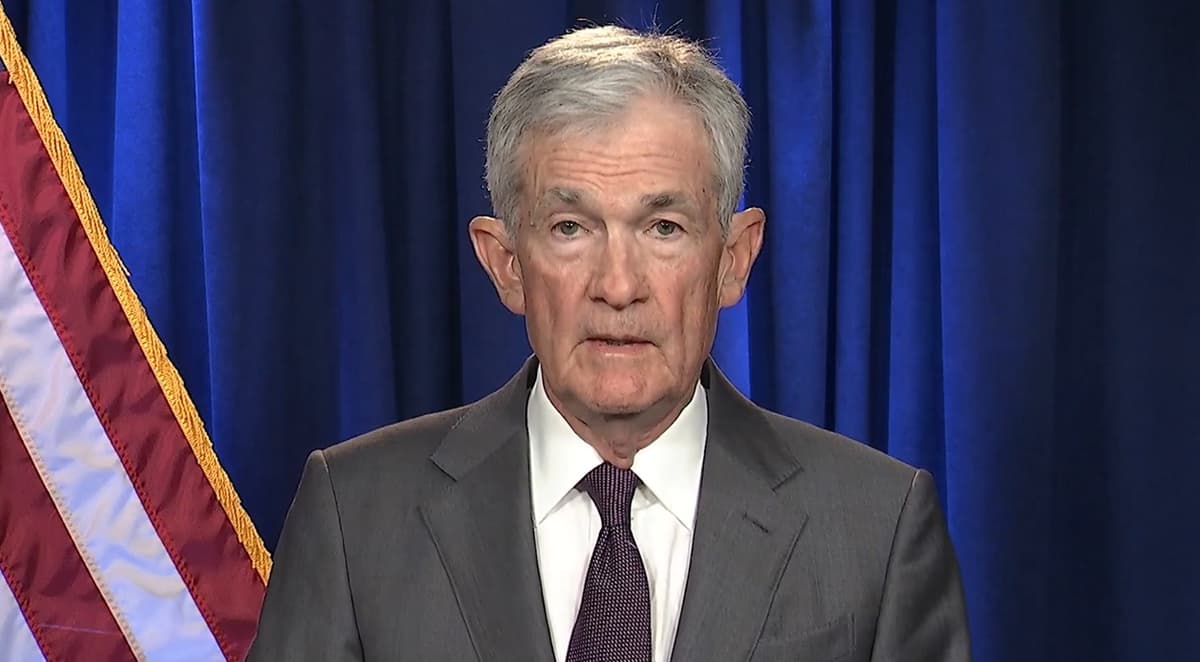
Powell publicly addressed the investigation on Sunday, January 11, 2026, framing the matter in stark terms that extend beyond the narrow legal questions at hand. His statement emphasized the fundamental principle of Fed independence, asserting that the investigation threatens the central bank’s ability to conduct monetary policy based on economic evidence rather than political considerations [1][3]. Powell articulated the core concern: “This is about whether the Fed will be able to continue to set interest rates based on evidence and economic conditions — or whether instead monetary policy will be directed by political pressure or intimidation” [1][4].
The official basis for the investigation centers on Powell’s congressional testimony concerning the Fed’s headquarters renovation project, with prosecutors examining whether his statements to Congress were potentially misleading [2][9]. However, multiple sources have reported that the real motivation stems from President Trump’s documented frustration with Powell’s refusal to lower interest rates, despite repeated pressure from the administration [1][5]. This tension between the administration and the Fed has been a persistent feature of the political landscape, with Trump having previously criticized Powell for maintaining relatively higher interest rates during the current economic cycle.
The investigation has prompted a remarkable display of opposition from within the Republican Party, with several prominent senators and House members expressing deep concerns about the implications for Federal Reserve independence [4][6]. This pushback represents a significant factional challenge to the Trump administration’s approach to central bank governance and signals potential legislative resistance to further pressure on the Fed.
Senator Thom Tillis of North Carolina emerged as a leading voice of opposition, delivering a forceful statement that directly challenged the administration’s tactics. Tillis declared: “If there were any remaining doubt whether advisers within the Trump Administration are actively pushing to end the independence of the Federal Reserve, there should now be none. It is now the independence and credibility of the Department of Justice that are in question” [4]. This statement reflects broader concerns among some Republican lawmakers that the investigation represents a dangerous precedent for political interference in monetary policy decision-making.
Senator Lisa Murkowski of Alaska similarly voiced strong opposition, emphasizing the systemic risks posed by undermining Fed independence. Murkowski warned: “The stakes are too high to look the other way: if the Federal Reserve loses its independence, the stability of our markets and the broader economy will suffer” [4]. Her comments underscore the recognition among moderate Republicans that the investigation could have far-reaching consequences for market confidence and economic stability.
Senator Kevin Cramer of North Dakota added his voice to the growing chorus of opposition, signaling that the investigation could have implications for the confirmation process of Trump’s pending Fed nominees [6]. Reports indicate that several Republican senators are prepared to block the confirmation of Trump’s Fed appointees until the Powell investigation is resolved or adequately explained [4][6]. This threat of legislative gridlock on central bank appointments represents a significant check on the administration’s ability to reshape the Federal Reserve’s leadership.
Senator French Hill, the Republican Chairman of the House Financial Services Committee, also responded to the developments, though his position appeared more measured than some Senate colleagues [7]. The divided response within the Republican Party highlights the complex political dynamics surrounding Fed independence, with some lawmakers prioritizing institutional stability while others may be more aligned with the administration’s skepticism toward Powell’s leadership.
Financial markets have responded to the breaking news with notable volatility, reflecting investor concerns about the potential implications for monetary policy trajectory and U.S. institutional credibility [5][9]. The immediate market reaction has demonstrated the sensitivity of financial conditions to developments affecting Federal Reserve independence.
Gold prices surged to record highs as investors sought safe-haven assets amid uncertainty about the trajectory of U.S. monetary policy [4][5]. This traditional flight-to-quality response indicates elevated risk aversion among market participants concerned about potential policy shifts or institutional instability. The gold price action represents one of the most visible market indicators of the perceived risk associated with the investigation.
The U.S. dollar experienced downward pressure, weakening against major currencies as markets absorbed the implications of the investigation [5]. Dollar weakness reflects concerns about potential policy accommodation or, more fundamentally, erosion of confidence in U.S. institutional framework. As the world’s primary reserve currency, the dollar’s reaction carries significance beyond domestic financial conditions.
Major U.S. stock indexes opened lower following the news, with particular pressure on bank stocks and other rate-sensitive sectors [5]. Financial institutions are directly exposed to Federal Reserve policy decisions, and uncertainty about the central bank’s independence introduces valuation risk for banks and related financial intermediaries. The banking sector’s sensitivity to Fed policy makes it a natural barometer of market sentiment regarding the investigation’s implications.
Analysts have noted heightened volatility in the S&P 500 and other major indices as traders assess potential scenarios and their implications for monetary policy [4][5]. Goldman Sachs Chief Economist Jan Hatzius characterized the situation as raising “concerns that Fed independence is going to be under the gun,” succinctly capturing the market’s primary concern [5].
The investigation raises fundamental questions about the constitutional status of Federal Reserve independence and the appropriate boundaries between political and technocratic authority over monetary policy. The Federal Reserve’s structure, established by the Federal Reserve Act of 1913 and subsequently modified, creates a degree of operational independence intended to insulate monetary policy decisions from direct political pressure [8].
Bipartisan groups of current and former economic officials have expressed concern that the investigation represents an unprecedented attempt to use prosecutorial attacks to undermine Fed independence [4]. Former Fed chairs, regardless of their political affiliations, have historically defended the principle of central bank independence as essential to economic stability and credibility. The involvement of former Fed leadership in criticizing the investigation underscores the perceived severity of the precedent being established.
The legal framework governing the investigation raises complex questions about the scope of prosecutorial discretion and the appropriate boundaries of criminal investigation into the conduct of central bank officials. The investigation’s focus on congressional testimony introduces First Amendment considerations and raises questions about the chill effect such investigations may have on testimony before Congress.
The investigation’s most significant implications extend beyond the immediate legal questions to the fundamental credibility of U.S. economic institutions. The Federal Reserve represents arguably the most influential central bank globally, and its perceived independence underpins confidence in U.S. dollar hegemony, Treasury market functioning, and global financial stability [8]. Any erosion of that independence could have cascading effects on foreign investor sentiment and the structural demand for U.S. assets.
Goldman Sachs economist Jan Hatzius’s assessment that the situation raises concerns about Fed independence “being under the gun” reflects sophisticated market awareness of these systemic risks [5]. The potential for institutional credibility damage may exceed the immediate market volatility, creating longer-term headwinds for U.S. asset valuations if confidence in Fed independence is not restored.
The investigation has exposed significant divisions within the Republican Party regarding the appropriate relationship between political leadership and monetary policy. While some Republicans have aligned with the administration’s skepticism toward Powell’s Fed, others have prioritized institutional stability and traditional Republican support for central bank independence [4][6].
This internal division creates legislative uncertainty regarding the confirmation of Trump’s Fed nominees. Reports suggest Kevin Hassett is the front-runner to replace Powell, but a sustained blockade by Senate Republicans could create vacancies on the Federal Reserve Board and complicate the administration’s ability to reshape monetary policy [2]. The political dynamics surrounding these confirmations will be critical to monitoring in coming weeks.
The investigation establishes a potentially significant precedent regarding the use of prosecutorial power against sitting central bank officials. If the investigation proceeds to indictment, it would represent the first criminal prosecution of a sitting Federal Reserve Chair, with profound implications for the willingness of future central bank officials to make politically unpopular decisions.
The focus on congressional testimony raises particular concerns about the potential chilling effect on testimony before legislative bodies. Central bank officials regularly testify before Congress, and any perception that such testimony could trigger criminal investigation could fundamentally alter the transparency and candor of central bank communications.
The investigation has attracted international attention, with global media coverage highlighting concerns about U.S. institutional stability [8]. G7 central banks and international financial institutions are likely monitoring the situation closely, as the precedent established could influence political pressures on central banks in other jurisdictions. The incident may strengthen arguments for central bank independence in countries where such independence is less firmly established.
The investigation presents several interconnected risk categories that warrant careful monitoring. First, policy uncertainty risk has escalated significantly as investors assess the potential implications for monetary policy trajectory. Continued political pressure on the Fed may compromise the central bank’s ability to make data-driven decisions independent of political interference, introducing uncertainty into rate expectations and financial conditions [0].
Second, legal precedent risk represents a structural concern regarding the use of prosecutorial power against central bank officials. This development could affect global market confidence in U.S. institutional independence and establish precedents that influence political pressures on central banks internationally [8].
Third, Republican division risk creates legislative gridlock potential regarding Fed appointments. Key Republican senators threatening to block Trump’s nominees until the Powell matter is resolved could create extended vacancies on the Federal Reserve Board, complicating monetary policy implementation and governance [4][6].
Fourth, market volatility risk remains elevated in rate-sensitive sectors including banks, financials, and interest-rate-sensitive equities. Short-term volatility should be expected until the situation stabilizes or resolution pathways become clearer [5].
Fifth, international credibility risk pertains to potential erosion of the Fed’s standing as the world’s most influential central bank. This could affect dollar dominance and foreign investor sentiment over medium-term horizons if institutional concerns persist [8].
While the immediate environment is characterized primarily by risk, several opportunity windows may emerge for prepared market participants. Market volatility historically creates tactical opportunities for investors with longer time horizons and tolerance for short-term uncertainty. The pressure on bank stocks, if overdone, could create attractive entry points for investors confident in eventual resolution.
The situation also highlights the importance of monitoring alternative data sources and communication channels for early signals regarding resolution pathways. Investors who accurately anticipate the trajectory of the investigation and its implications for monetary policy may be positioned to benefit from subsequent market adjustments.
The Department of Justice has opened a criminal investigation into Federal Reserve Chair Jerome Powell, approved by U.S. Attorney Jeanine Pirro in November 2025, with grand jury subpoenas served on January 10, 2026 [1][2][4]. The investigation centers on Powell’s congressional testimony regarding the Fed’s headquarters renovation project, though Powell and critics allege the real motivation stems from political pressure regarding interest rate decisions [1][3].
Republican opposition on Capitol Hill has been significant, with Senators Tillis, Murkowski, and Cramer expressing concern about Fed independence implications [4][6]. Several senators have threatened to block Trump’s Fed nominees until the investigation is resolved, creating potential legislative gridlock on central bank appointments [4].
Financial markets have reacted with elevated volatility: gold prices reached record highs, the U.S. dollar weakened, major indexes opened lower, and bank stocks experienced particular pressure [4][5]. Goldman Sachs Chief Economist Jan Hatzius characterized the situation as raising “concerns that Fed independence is going to be under the gun” [5].
The investigation raises fundamental questions about central bank independence, prosecutorial power over sitting officials, and the constitutional framework governing monetary policy in the United States [8]. Bipartisan groups of current and former economic officials have expressed concern about the precedent being established [4].
Key developments to monitor include DOJ confirmation status regarding the investigation, Trump’s announcement of Powell’s replacement (Kevin Hassett reportedly the front-runner), Congressional response including Senate Banking Committee actions, and Powell’s intended course of action [2][3][6].
This analysis provides informational context based on reported events and market data. It does not constitute investment advice regarding buying, selling, or holding securities. Market participants should conduct independent analysis and consult appropriate financial professionals before making investment decisions.
Insights are generated using AI models and historical data for informational purposes only. They do not constitute investment advice or recommendations. Past performance is not indicative of future results.
About us: Ginlix AI is the AI Investment Copilot powered by real data, bridging advanced AI with professional financial databases to provide verifiable, truth-based answers. Please use the chat box below to ask any financial question.