
Lindsey Warns DOJ Probe Threatens Fed Independence: Political Escalation Risks Market Stability
Unlock More Features
Login to access AI-powered analysis, deep research reports and more advanced features
About us: Ginlix AI is the AI Investment Copilot powered by real data, bridging advanced AI with professional financial databases to provide verifiable, truth-based answers. Please use the chat box below to ask any financial question.
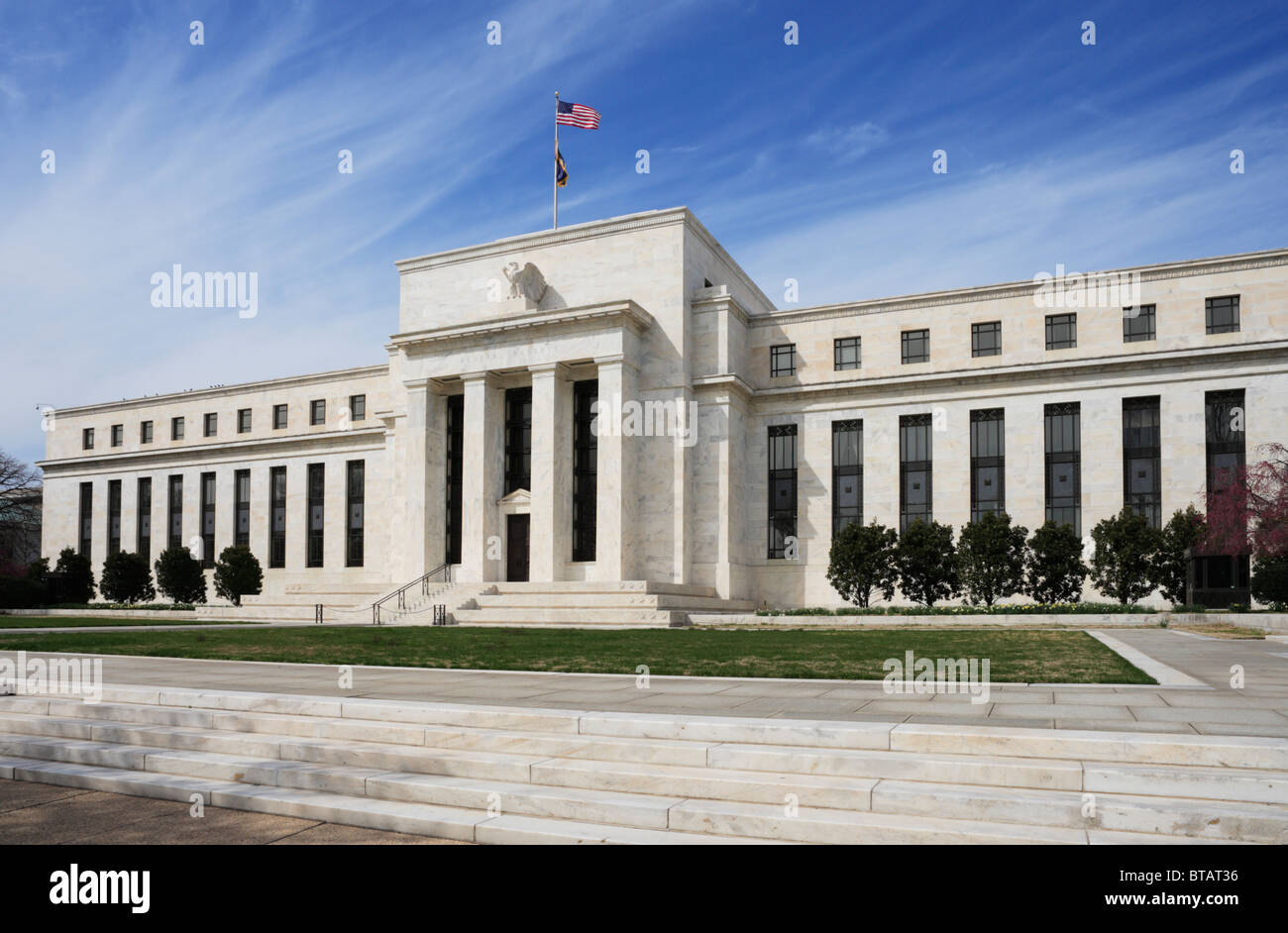
The Department of Justice’s criminal investigation into Federal Reserve Chair Jerome Powell, as discussed by former Fed Governor Larry Lindsey on CNBC’s “The Exchange” on January 12, 2026, represents an extraordinary escalation in tensions between the executive branch and the nation’s central bank independence [1][2]. Lindsey, who served on the Federal Reserve Board from 1991 to 1993 and currently heads The Lindsey Group, brings institutional credibility to warnings that this investigation sets a dangerous precedent for monetary policy governance. The criminal inquiry, approved in November 2025 by U.S. Attorney Jeanine Pirro and resulting in grand jury subpoenas served to the Federal Reserve in January 2026, centers on discrepancies between Powell’s June 2025 Senate testimony regarding the Fed headquarters renovation project and actual documented costs [3]. The project, which began in 2022 with an initial budget of $1.9 billion, has ballooned to approximately $2.5 billion—a $700 million overrun that now forms the ostensible basis for a criminal investigation into potential false statements made to Congress.
The temporal proximity of these developments warrants particular scrutiny. Powell’s confirmation for a second four-year term as Fed Chair occurred on January 11, 2026, with the DOJ investigation serving subpoenas mere days afterward [4]. This sequence has fueled suspicions among current and former Fed officials that the investigation represents pretextual legal pressure rather than genuine regulatory enforcement. Powell himself has explicitly connected the investigation to the administration’s demands for lower interest rates, stating that the Fed “sets interest rates based on our best assessment of what will serve the public, rather than following the preferences of the President” [2][3]. This characterization frames the investigation as an unprecedented attempt to criminalize disagreements over monetary policy—a move that, if sustained, could fundamentally alter the balance of power between the Federal Reserve and the executive branch.
The historical context provided by similar investigations targeting Trump administration opponents adds another dimension to this analysis. Criminal probes against figures including former FBI Director James Comey and New York Attorney General Letitia James were dismissed by federal judges in November 2025, suggesting potential legal vulnerability for the current investigation [1]. This pattern of politically motivated prosecutions being subsequently rejected by the judiciary raises questions about the investigation’s ultimate viability while simultaneously demonstrating the risks of weaponizing law enforcement apparatus for political purposes. Lindsey’s intervention as a respected former Fed official lends significant weight to concerns about institutional integrity, signaling that worries about central bank independence extend beyond current administration critics to include Republican-appointed institutionalists.
The intersection of construction project mismanagement oversight and political pressure on monetary policy reveals a complex governance challenge that extends far beyond the immediate factual circumstances of the renovation cost discrepancies. The Federal Reserve’s headquarters renovation, initiated in 2022 with completion expected in 2027, represents one of the most significant infrastructure projects undertaken by an independent federal agency in recent decades [1]. While cost overruns of this magnitude would typically warrant congressional scrutiny and administrative review, the criminal investigation framework applied to Powell’s testimony raises fundamental questions about the appropriate boundary between legitimate oversight and political retribution. The fact that Powell’s June 2025 Senate testimony about these costs preceded the DOJ investigation approval by approximately five months suggests that the inquiry may have been calibrated to maximize political leverage rather than to address genuine governance concerns.
The succession uncertainty surrounding Powell’s tenure adds significant complexity to this situation. While his term as Fed Chair concludes in May 2026, his position as a Board Governor extends through January 2028, creating potential scenarios where Powell could remain on the Board even if replaced as Chair [1]. President Trump has publicly stated that he has decided on Powell’s replacement, with Kevin Hassett identified as a leading contender. This succession timeline means that the investigation’s resolution—whether through criminal charges, political pressure for resignation, or judicial dismissal—will directly influence monetary policy continuity at a critical juncture for the U.S. economy. The administration has consistently pushed for lower interest rates, while the Fed under Powell has maintained a data-dependent approach that has frustrated political expectations.
International implications warrant serious consideration in this analysis. The Federal Reserve’s independence has historically been viewed as a cornerstone of dollar confidence and global reserve currency status [5]. Any perception that U.S. monetary policy decisions are subject to criminal enforcement threats from the executive branch could potentially erode international confidence in dollar-denominated assets and complicate global financial planning for central banks and multinational corporations. The timing of these developments—coming at a moment when fiscal policy debates and trade tensions already create uncertainty for global markets—amplifies potential international repercussions.
The investigation presents several interconnected risk categories that warrant careful monitoring by market participants and policy observers. First, the threat to institutional independence represents a systemic concern that transcends individual market movements. If the precedent is established that sitting Fed Chairs can face criminal investigation based on political disputes over policy decisions, future central bank officials may face compromised independence regardless of formal legal protections [2][3]. This dynamic could fundamentally alter the calculus of monetary policy-making, potentially introducing political considerations that have historically been excluded from Fed deliberations. Second, the succession uncertainty creates immediate market risk, as investors cannot confidently price in the monetary policy trajectory beyond May 2026. A replacement aligned with administration preferences for lower rates could dramatically shift interest rate expectations, affecting bond valuations, currency markets, and equity valuations across interest-rate-sensitive sectors.
Third, the legal precedent risk extends beyond the immediate parties involved. Even if the investigation is ultimately dismissed—as occurred with similar politically motivated probes in November 2025—the mere existence of such investigations creates chilling effects on institutional behavior [1]. Future Fed officials may become more politically risk-averse, potentially compromising the independent analysis that has characterized post-Volcker Fed policy-making. Fourth, the construction project oversight implications extend to all federal agencies undertaking significant infrastructure projects. If cost overruns on agency projects can trigger criminal investigations of senior officials years after the fact, administrative behavior across government may become excessively risk-averse, potentially hampering effective public administration.
Despite the predominantly negative risk profile, certain opportunities emerge from this situation. The judicial system has demonstrated willingness to reject politically motivated prosecutions, as evidenced by the November 2025 dismissals of Comey and James investigations [1]. This pattern suggests that legal challenges to the investigation’s scope and legitimacy may ultimately succeed, potentially reinforcing institutional boundaries between legitimate oversight and political persecution. Congressional response to this situation could strengthen statutory protections for central bank independence, though the current political configuration makes such legislative action uncertain.
Market volatility arising from this situation may create tactical opportunities for investors with appropriate risk tolerance and time horizons. The uncertainty premium currently embedded in rate expectations could compress if the investigation is resolved favorably for Powell, while additional escalation could widen risk premiums further. The key insight for market participants is that this situation remains fluid and highly dependent on developments in both the legal and political spheres.
The DOJ investigation into Fed Chair Jerome Powell centers on discrepancies between his June 2025 Senate testimony regarding the Federal Reserve headquarters renovation project and documented costs [1][2]. The project, initiated in 2022 with a $1.9 billion budget, has experienced overruns reaching approximately $2.5 billion—a $700 million increase that forms the ostensible basis for a criminal inquiry into potential false statements to Congress [3]. Grand jury subpoenas were served to the Federal Reserve in January 2026, with the investigation having been approved by U.S. Attorney Jeanine Pirro in November 2025 [4]. Powell was confirmed for a second term as Fed Chair on January 11, 2026, just days before the investigation became publicly known through media reporting.
Former Fed Governor Larry Lindsey’s public comments on January 12, 2026, characterized the investigation as a threat to institutional independence, warning that criminal prosecution over construction cost testimony sets a precedent that could compromise future central bank decision-making [1][6]. Powell has explicitly connected the investigation to the administration’s pressure for lower interest rates, stating that the Fed “sets interest rates based on our best assessment of what will serve the public, rather than following the preferences of the President” [2][3]. Historical precedent suggests potential legal vulnerability for the investigation, as similar criminal probes targeting Trump administration opponents were dismissed by federal judges in November 2025 [1].
The investigation’s outcome will directly influence monetary policy continuity at a critical juncture, with Powell’s term as Chair expiring in May 2026 and his Board governorship continuing through January 2028 [1]. Kevin Hassett has been identified as a leading contender for potential succession. International implications include potential erosion of dollar confidence and global reserve currency status if institutional independence perceptions are compromised [5]. Market participants should monitor legal developments, Congressional responses, and FOMC communications for indicators of how this situation will evolve.
Insights are generated using AI models and historical data for informational purposes only. They do not constitute investment advice or recommendations. Past performance is not indicative of future results.
About us: Ginlix AI is the AI Investment Copilot powered by real data, bridging advanced AI with professional financial databases to provide verifiable, truth-based answers. Please use the chat box below to ask any financial question.