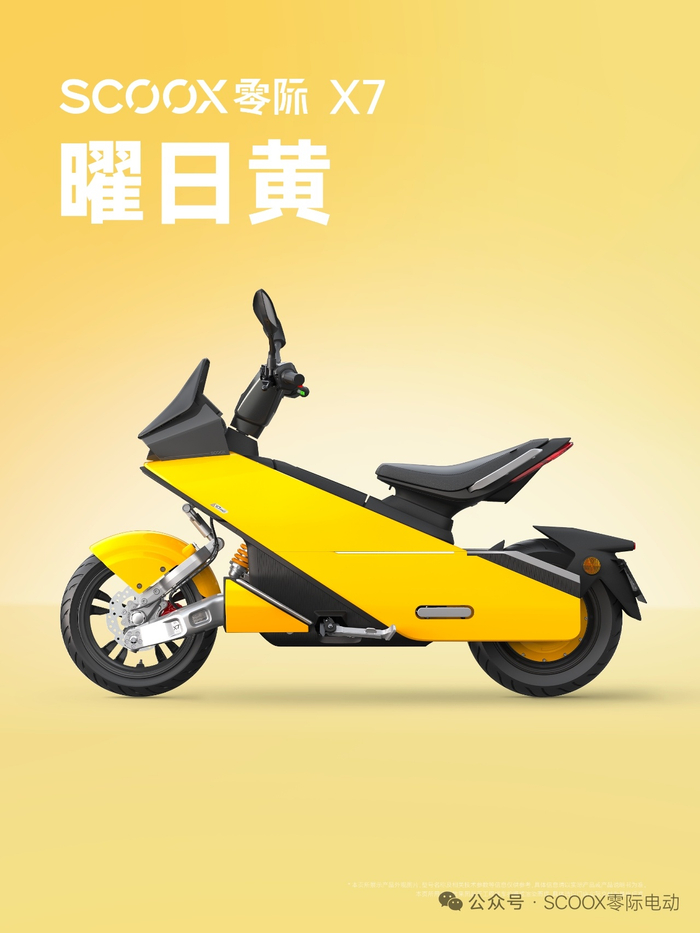
Based on the latest research data and market information, I will systematically analyze the layoff incident of Aima Technology’s high-end sub-brand Lingji and the high-end transformation dilemma of two-wheel electric vehicles it reflects.
I. Overview of the Layoff Incident of Aima Technology’s Lingji Brand
1.1 Basic Situation of the Layoffs
Confirmed through multi-channel information, Aima Technology launched its largest staff optimization adjustment in recent years at the end of 2025. Among them,
Lingji, the high-end sub-brand, was the hardest hit by staff reduction
, with its team size plummeting from a peak of about 80 to around 40 people, representing a layoff rate of over 50%[1][2]. The situation of the International Business Division was even more severe: it planned to cut 180 employees in batches. The original staff size of this division was between 300 and 400 people, also facing a staff reduction of over 50%[2].
Notably, this layoff occurred at an extremely sensitive juncture: Lingji’s first product, the Lingji X7, was launched in Beijing at the end of October 2025, pre-orders had been opened, and it was scheduled to be officially launched and delivered in the first quarter of 2026[1]. The core team was drastically reduced even before the product was officially sold, a phenomenon that reflects the deep-seated dilemmas faced by Aima Technology’s high-end strategy.
1.2 Direct Reasons Behind the Layoffs
Organizational turbulence caused by office relocation
was the direct trigger for Lingji’s layoffs. According to former employees, the Lingji brand team was required to relocate from Tianjin to Chongqing, but the company did not provide a reasonable explanation for this change, nor did it offer corresponding relocation subsidies or severance packages[2]. This one-sided location adjustment led to a large number of passive resignations.
Continuous deterioration of international business performance
was another core factor for the layoffs. Data shows that in 2024, Aima’s international business revenue was only 235 million yuan, accounting for about 1% of its domestic business revenue; in the first half of 2025, international business revenue further dropped to 90.3655 million yuan, accounting for only 0.7% of domestic business revenue[2]. The continuous shrinkage of business scale made large-scale staffing unsustainable.
1.3 Severance Disputes and Employee Dilemmas
This layoff sparked major disputes over compensation standards. Multiple former employees reported that the company only offered one month’s salary as severance pay,
failing to comply with the N+1 standard stipulated by labor laws
[2]. The after-sales department was particularly hard hit, with a large number of campus recruits and fresh graduates facing the choice of being transferred to a third-party outsourcing company or negotiating resignation. Currently, multiple employees have applied for arbitration to protect their rights[2].
II. Deep-Seated Reasons for the Setback in High-End Transformation of Two-Wheel Electric Vehicles
2.1 Sluggish Growth of Core Business and Resource Reallocation
Aima Technology is currently facing
systemic challenges of sluggish growth in its core business
. The revenue growth of electric bicycles, the company’s core product, has slowed significantly: in 2022, electric bicycle revenue was 12.13 billion yuan, and it only slightly increased to 13.04 billion yuan in 2024[1]. More alarmingly, the revenue of electric two-wheel motorcycles has continued to shrink—after hitting a historical high of 7.14 billion yuan in 2022, it shrank to 5.21 billion yuan in 2024, a decrease of nearly 30% or about 2 billion yuan[1].
Against this backdrop, corporate resources naturally
tilted toward mature businesses with greater growth potential
. Electric tricycles, commonly known as “Laotoule” (a term for low-speed electric vehicles popular among the elderly), have become a new revenue growth driver: in 2022, the revenue of this business was about 800 million yuan, and it grew to 1.95 billion yuan in 2024, a cumulative increase of about 145%[1]. The concentrated allocation of resources to the electric tricycle business has inevitably squeezed the investment space for the high-end strategy.
2.2 Misalignment Between Brand Positioning and Consumer Perception
Aima Technology has long focused on
the mid-to-low-end electric bicycle market priced around 2,000 yuan
, forming a deeply rooted brand tone and market perception. This well-established image as a “national commuter vehicle”
has created a structural contradiction with the brand premium capability required for high-end transformation
[2].
Consumers’ perception of the value of two-wheel electric vehicles still remains at the level of functional transportation, and their acceptance of additional values emphasized by high-end brands such as intelligent configurations, design aesthetics, and brand culture is limited. The “affordable” image long established by traditional giants such as Yadea and Aima has instead become a heavy burden for brand upgrading in the high-end market.
2.3 Dilemmas in Adapting Technical Systems and Supply Chains
The high-end strategy puts forward higher requirements for R&D capabilities and supply chain systems, but Aima Technology has obvious shortcomings in both aspects. Taking the intelligent vehicle technology implementation of Lingji as an example: according to former employees, in the early stage of internal planning,
Lingji originally planned to realize intelligent vehicle technology through external procurement
, the core reason being that Aima’s self-developed intelligent technology was only average and could not support the technical requirements of high-end products[2].
However, after about a year of promoting the external procurement route, it was forced to switch back to the self-development route due to “lack of success”. This back-and-forth swing in technical routes
directly reflects the company’s strategic wavering and lack of determination in its high-end strategy
[2]. In the past two years, Aima has intensively introduced multiple consulting firms to adjust its business structure and split business divisions, almost “rebuilding the entire company’s structure from scratch”, which has severely damaged organizational stability.
2.4 Squeezing Effect of the Market Competition Pattern
The high-end market for two-wheel electric vehicles has been firmly occupied by emerging brands such as Ninebot and ZEEHO. Leveraging their tech company genes, intelligent technological advantages, and precise high-end positioning,
these brands have already built a cognitive moat of “high-end electric two-wheelers” in consumers’ minds
[2].
As a traditional two-wheel electric vehicle manufacturer, Aima needs to deeply separate itself from its original business in dimensions such as brand tone, product design, and channel system. However, this
high-difficulty move of building a high-end brand from scratch
requires continuous resource investment and long-term market cultivation, which creates inherent tension with the company’s pressure to pursue short-term performance returns.
III. Insights from Aima Technology’s Strategic Dilemmas
3.1 Negative Impacts of Frequent Organizational Structure Changes
In the past two years, Aima has carried out intensive business structure adjustments and business division splits, resulting in severe lack of organizational stability. Employees reported that “
it feels like we change leaders every month
” and “capable people are hard to retain, while those good at reporting get promoted quickly”[2]. This organizational internal friction has severely weakened strategic execution capabilities and employee morale.
3.2 Lack of Strategic Resolve and Resource Focus
From international business to high-end brands, Aima Technology has shown
strategic characteristics of fighting on multiple fronts and expanding across the board
. However, against the backdrop of slowing growth in its core business, overly dispersed resource allocation has made it difficult for each business line to obtain sufficient investment support. The embarrassing situation where international business accounts for less than 1% of revenue and the high-end brand’s team was cut before product launch is a direct result of insufficient strategic focus.
3.3 Missed Window of Opportunity for High-End Transformation
The current two-wheel electric vehicle industry is in a critical window of transition from “price competition” to “value competition”. Aima Technology’s launch of its high-end strategy at this point is essentially a passive response to market trends rather than a proactive layout.
A high-end transformation lacking forward-looking strategic planning and resource reserves is destined to struggle to break free from the constraints of existing path dependence
.
IV. Conclusions and Outlook
The 50% layoff incident at Aima Technology’s Lingji brand is not an isolated human resources adjustment, but
a typical microcosm of the dilemmas faced by traditional two-wheel electric vehicle manufacturers in their high-end transformation
. This incident reveals the following core propositions:
First,
brand upgrading requires systematic capability support
, which can never be achieved simply by raising product prices or operating a sub-brand independently. All links such as R&D, supply chain adaptation, channel restructuring, and brand reshaping need to be promoted in a coordinated manner.
Second,
strategic trade-offs under resource constraints are crucial
. Against the backdrop of pressure on core business growth, enterprises need to make clear choices between “maintaining existing businesses” and “seeking breakthroughs”, avoiding strategic chaos where “you want to do everything but can’t do anything well”.
Third,
organizational stability is the cornerstone of strategic execution
. Frequent organizational structure adjustments and staff optimization will severely erode an enterprise’s strategic execution capabilities and organizational capital accumulation.
For Aima Technology, how to explore a practical and feasible high-end path while ensuring the steady development of its core business will be a key proposition that determines its future market position.
References
[1] Caizhong Society - “[In-Depth] Aima Technology Cuts Staff Before High-End Transformation Succeeds: “Laotoule” Becomes a Revenue Growth Driver” (https://m.rccaijing.com/news-7414562813916149700.html)
[2] 36Kr - “[Staff Reductions in Multiple Departments, Executives Sidelined? Strategically Wavering Aima Launches “Major Downsizing”]” (https://m.36kr.com/p/3627417005163778)