
IEA’s Delayed Peak Oil and Gas Demand Forecast and Strategic Shift of Industry Giants: In-Depth Analysis of Investment Logic Reconfiguration
Unlock More Features
Login to access AI-powered analysis, deep research reports and more advanced features
About us: Ginlix AI is the AI Investment Copilot powered by real data, bridging advanced AI with professional financial databases to provide verifiable, truth-based answers. Please use the chat box below to ask any financial question.
Related Stocks
Based on the latest data and in-depth analysis, the following is a complete investment research report on the IEA’s delay of peak oil and gas demand to 2050 and the impact of major oil and gas players’ strategic shift on investment logic:
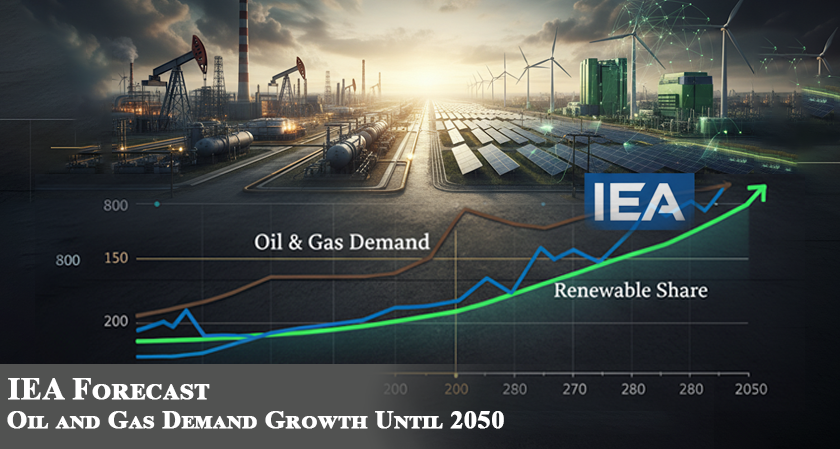
The International Energy Agency (IEA) made a major revision to its forecast for the peak of global oil and gas demand in its World Energy Outlook report released in November 2025 [1][2]:
| Forecast Scenario | Previous Forecast | New Forecast | Change Magnitude |
|---|---|---|---|
Current Policy Scenario |
Peak in 2030 | Peak in 2050 | Delayed by 20 Years |
Announced Policies Scenario |
Peak in 2030 | Peak in 2035 | Delayed by 5 Years |
Global Crude Oil Demand in 2050 |
— | 11.3 million barrels per day |
Sustained Growth Trend |
More critically, the IEA projects that by 2050, the world will still need
The strategic adjustment of major oil and gas players actually began prior to the revision of the IEA’s forecast:
2020 ──────────────────────────────────────────────────────────►
   │                                                            │
   │  "Radical Transition Period" │  "Return to Oil and Gas Period"
   │  • BP announced the end of the oil era │  • ExxonMobil acquires Pioneer ($59.5 billion)
   │  • Shell/Total significantly increased renewable energy investments │  • Chevron acquires Hess ($53 billion)
   │  • Target: 40% reduction in oil and gas production by 2030 │  • BP cuts renewable energy investments by 60%-70%
   │  • Low-carbon investment share: 15%-25% │  • Equinor raises production target by 10%
   │                                                            │  • Low-carbon investment share reduced to 3%-10%
Based on the 2025-2026 capital expenditure guidance of various companies, major oil and gas players exhibit the characteristic of
| Company | 2026 Capital Expenditure | Share of Oil and Gas Investments | Low-Carbon Investment | Strategic Characteristics |
|---|---|---|---|---|
Chevron |
$18-$19 billion | 90% |
$1 billion (less than 6%) | Focus on U.S. shale oil |
Shell |
$20-$22 billion | 75%-80% | $5-$6 billion | Stable framework, equal emphasis on traditional business and transition |
BP |
$13-$15 billion | Approx. 77% |
$1.5-$2 billion (down $5 billion) | Strategic reset, scaled-back transition |
TotalEnergies |
$16 billion | 70%-75% | Retains 25%-30% of investment in power sector | Natural gas-centered transition |
Equinor |
Adjusted as appropriate | 10% production increase | Sustained losses | Return to oil and gas |
- ExxonMobil’s Acquisition of Pioneer Natural Resources: The transaction is valued at $59.5 billion (including $64.5 billion in debt), strengthening its U.S. shale oil and gas layout
- Chevron’s Acquisition of Hess Corporation: The transaction is valued at $53 billion (including $60 billion in debt), expanding into Guyana’s deepwater oil and gas sector
The total scale of the two transactions exceeds
The four major European oil and gas companies (BP, Shell, TotalEnergies, Eni) were once leaders in low-carbon investments, allocating an average of 15%-25% of their budgets to renewable energy [1]:
| Company | Change in Low-Carbon Investments | Specific Measures |
|---|---|---|
BP |
$5 billion → $1.5-$2 billion | Abandons renewable energy targets, returns to oil business |
TotalEnergies |
50% target → abandoned | Renewable energy installed capacity target reduced from 12-16 GW to 10-12 GW |
Shell |
Exits new offshore wind power investments | Integrates new energy with retail network |
Equinor |
Sustained losses | Long-term poor performance of renewable energy division |
The capital expenditure layout of major players collectively points to the core demand of
Investment Logic Transformation Framework
━━━━━━━━━━━━━━━━━━━━━━━━━━━━━━━━━━━━━━━━━━━━━━━━━
   Old Logic (2020-2023)                    New Logic (2024-2026)
━━━━━━━━━━━━━━━━━━━━━━━━━━━━━━━━━━━━━━━━━━━━━━━━━
  • Radical transition                            • Prudent growth
  • Increased share of low-carbon investments                    • Priority on core oil and gas business
  • Production reduction targets                        • Focus on high-return core assets
  • ESG-driven                            • Shareholder return-driven
  • Long-term vision                            • Short-term cash flow
━━━━━━━━━━━━━━━━━━━━━━━━━━━━━━━━━━━━━━━━━━━━━━━━━
Based on the new industry trends, the risk-return characteristics of various energy investments are being reshaped:
| Asset Category | Expected Return | Risk Level | Change in Investment Attractiveness |
|---|---|---|---|
Traditional Oil and Gas |
8% | Low | ↑ Increased |
Shale Oil and Gas |
12% | Medium | ↑ Significantly increased |
LNG |
10% | Medium-Low | → Stable |
Renewable Energy |
6% | Medium-High | ↓ Decreased |
CCUS |
5% | High | ↓ Decreased |
Hydrogen |
4% | Very High | ↓ Significantly decreased |
- United States: Has become the most active region for oil and gas investments, with concentrated investments in core shale oil producing areas (Permian, Denver-Julesburg)
- Guyana: Representative of high-potential global offshore projects, with key layouts by ExxonMobil/Chevron
- Eastern Mediterranean: A growth area focused on by Chevron and other companies
- Europe: Significant investment contraction, with the largest cuts to low-carbon projects
Forecasts from think tanks under CNPC and Sinopec show [5]:
| Indicator | China’s Forecast | Global Forecast |
|---|---|---|
Peak Oil Consumption Time |
2027 | 2040 |
Peak Volume |
770-780 million tonnes | 4.8 billion tonnes |
Driving Factor |
Transition from fuel to raw material | Sustained growth |
China’s oil consumption will exhibit the characteristic of
- The 20-year delay in peak oil and gas demand provides long-term demand support
- Major players return to traditional business, improving cash flow
- Improved expectations for shareholder returns (dividends + share repurchases)
- Policy support for increased U.S. oil and gas production
- Slowdown in renewable energy investment growth (only 7.3% in 2024, compared to 32% the previous year) [1]
- Weakened narrative of low-carbon transition
- Policy uncertainty (e.g., U.S. withdrawal from the Paris Agreement)
| Strategy Direction | Specific Recommendations | Logical Support |
|---|---|---|
Overweight Oil and Gas Upstream |
Focus on U.S. shale oil and Guyana deepwater | Concentrated capital expenditures, high return rates |
Focus on Shareholder Returns |
Select oil and gas companies with high dividend yields | Cash flow priority, accelerated share repurchases |
Avoid Pure Low-Carbon Targets |
Reduce exposure to renewable energy projects | Decreased investment share, returns below expectations |
- Core Allocation: Large integrated oil and gas giants (ExxonMobil, Chevron, Shell)
- Satellite Allocation: U.S. independent shale oil explorers
- Hedging Allocation: Retain a small amount of renewable energy/natural gas assets
- Policy Risk: If global carbon emission reduction policies tighten more than expected, it may once again impact oil and gas investment logic
- Price Risk: Oil price fluctuations will directly affect the performance and investment returns of oil and gas companies
- Technology Risk: The rapid development of AI may change the structure of energy demand
- Geopolitical Risk: Geopolitical events in the Middle East, Russia-Ukraine region, etc., affect supply and prices
The IEA’s forecast of delaying the peak oil and gas demand to 2050 marks the entry of the global energy transition into a
The strategic shift of major oil and gas players is not a short-term expedient measure, but is based on the following core judgments:
- Sustained Demand Growth: Global crude oil demand will maintain a growth trend until 2050
- Returns Below Expectations: Renewable energy investments have failed to deliver the economic returns required by shareholders
- Energy Security Priority: Geopolitical uncertainty has strengthened the strategic value of traditional energy sources
- Underestimated Transition Costs: Daniel Yergin pointed out that the $115 trillion global economy cannot be completely transformed within 25 years
For investors,
[1] Huaxia Energy Network - IEA Delays Peak Oil and Gas Demand by 20 Years, Major Oil and Gas Players collectively “Turn Back” (https://caifuhao.eastmoney.com/news/20260112090131367426450)
[2] The Paper - IEA Delays Peak Oil and Gas Demand by 20 Years, Major Oil and Gas Players collectively “Turn Back” (https://m.thepaper.cn/newsDetail_forward_32366131)
[3] Carbon Lab - Focus on Upstream Business! Oil Giants Clarify 2026 Capital Expenditure Directions (http://www.pmweb.com.cn/news/11405.html)
[4] Sina Finance - Differentiated Rhythms of Peak Oil Consumption: China Approaching, Global Delay (https://finance.sina.com.cn/roll/2026-01-09/doc-inhfsnix0690249.shtml)
[5] Caixin - Exclusive Interview with Daniel Yergin: UN’s 2050 Net-Zero Emission Target is Unrealistic

Note for Chart 1: Shows changes in the IEA’s peak oil and gas demand forecast timeline, capital expenditure allocation of major oil and gas companies, global oil demand forecast curve, and the timeline of investment logic transformation for energy transition

Note for Chart 2: Comparison of energy investment risk-return matrix and investment strategy shifts, showing the risk-return characteristics of various assets and strategy differences between 2020 and 2025
Insights are generated using AI models and historical data for informational purposes only. They do not constitute investment advice or recommendations. Past performance is not indicative of future results.
About us: Ginlix AI is the AI Investment Copilot powered by real data, bridging advanced AI with professional financial databases to provide verifiable, truth-based answers. Please use the chat box below to ask any financial question.