
Trump Administration Criminal Investigation Threat Against Fed Chair Powell: Market and Institutional Impact Analysis
Unlock More Features
Login to access AI-powered analysis, deep research reports and more advanced features
About us: Ginlix AI is the AI Investment Copilot powered by real data, bridging advanced AI with professional financial databases to provide verifiable, truth-based answers. Please use the chat box below to ask any financial question.
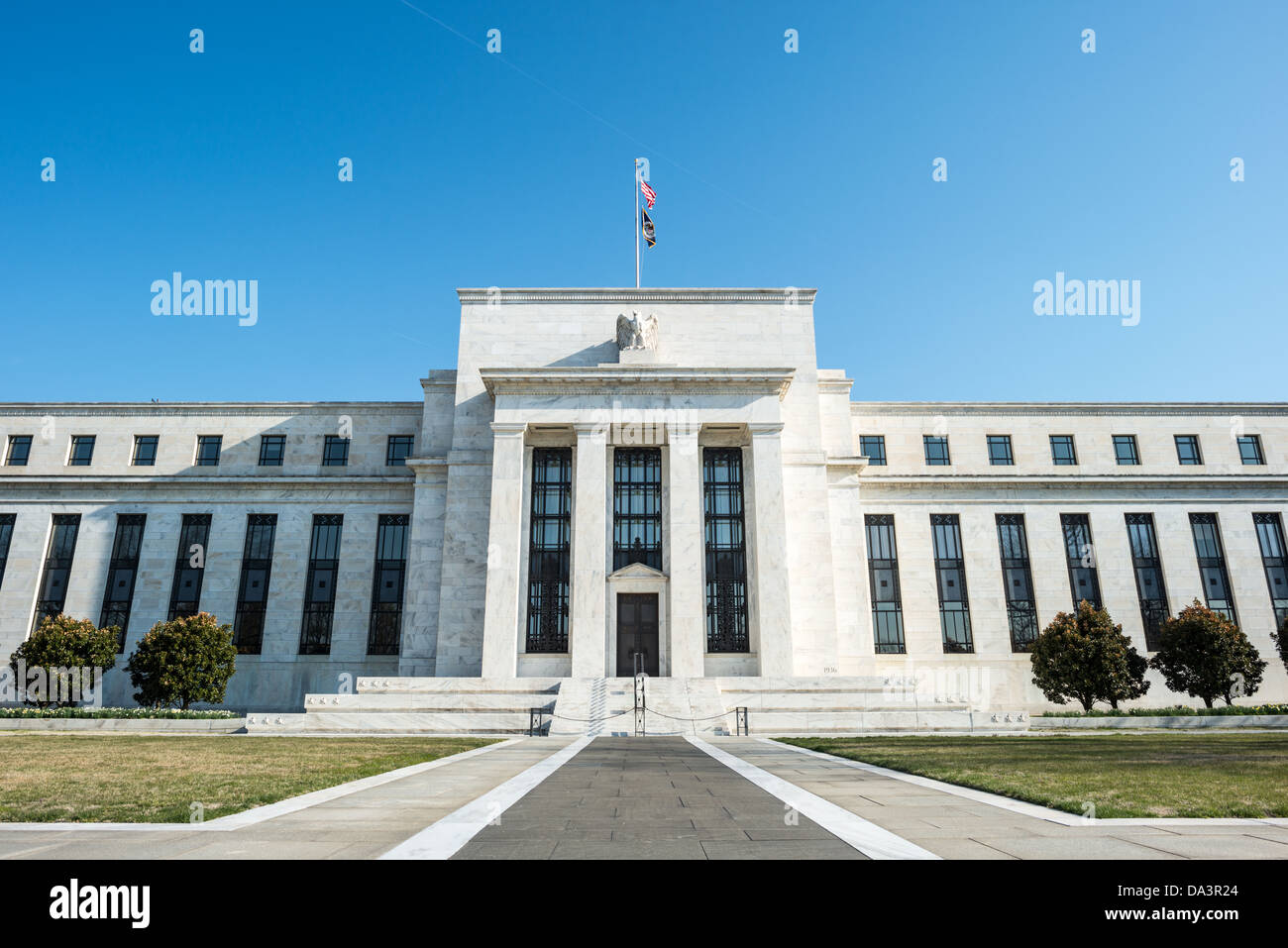
The Trump administration’s criminal investigation of Federal Reserve Chair Jerome Powell represents an unprecedented assault on the independence of the U.S. central banking system, an institution that has operated with substantial autonomy since the Federal Reserve Act of 1913 [1]. On January 11, 2026, the Department of Justice served grand jury subpoenas to Federal Reserve officials, targeting testimony Powell provided to Congress in June 2025 regarding cost overruns in the Fed’s $2.5 billion building renovation project [1]. This investigation follows months of public pressure from President Trump, who has demanded dramatic interest rate cuts and publicly threatened Powell with removal from his position, whose term expires in May 2026 [1][2].
The constitutional implications of this action extend far beyond the immediate political dispute. Federal Reserve independence has been considered a cornerstone of U.S. monetary policy credibility, shielding the central bank from direct political interference to prevent the monetization of government debt and maintain price stability [4]. Powell’s characterization of the investigation as a “pretext” suggests that the administration is using legal mechanisms as instruments of political coercion, a development that undermines the separation of powers doctrine and raises fundamental questions about the rule of law in economic governance [1][4]. Senator Thom Tillis (R-NC) has already indicated opposition to Fed nominees until this matter is resolved, signaling potential fractures within the Republican Party over the appropriate boundaries of executive power over monetary policy [1].
The immediate market reaction reflects deep investor concern about the institutional implications of this developing crisis. S&P 500 futures declined approximately 0.5% in anticipation of Monday trading, while the U.S. dollar weakened against major currencies [1]. Treasury yields remained relatively stable, though market analysts expect elevated volatility as the situation evolves and additional information becomes available [0][1]. The VIX index, which measures market expectations of volatility, is likely to incorporate a significant risk premium reflecting uncertainty about monetary policy direction and the broader institutional framework [0].
Historical analysis of central bank independence challenges provides important context for understanding potential market dynamics. When political interference undermines central bank credibility, sovereign debt markets typically respond by demanding higher risk premiums, which manifests as elevated long-term interest rates independent of monetary policy decisions [4]. This phenomenon reflects investor concerns about potential inflation monetization and the erosion of monetary policy predictability. The dollar’s weakness signals that global investors are already factoring in diminished confidence in U.S. institutional frameworks, though the full extent of capital flow adjustments remains uncertain pending further developments [1].
The intersection of this political crisis with scheduled monetary policy decisions creates additional complexity for market participants. The Federal Reserve was already navigating a delicate balancing act between supporting economic growth and maintaining price stability, and this external political pressure introduces an unprecedented variable into policy deliberations [0][3]. Market participants must now assess not only economic data and Fed communications but also the potential impact of legal proceedings and political developments on the trajectory of interest rates.
The criminal investigation of a sitting Federal Reserve Chair establishes a troubling precedent that extends beyond the immediate parties involved. Federal prosecutors have opened an investigation into Powell’s testimony about the building renovation project, a development that legal analysts describe as potentially weaponizing the Department of Justice for political purposes [2][3]. The administrative response, characterized by claims of “plausible deniability” regarding coordination between the White House and DOJ, raises substantial questions about the integrity of law enforcement processes and the norm of non-interference in ongoing investigations [1].
The Supreme Court is scheduled to hear arguments on January 21, 2026, regarding the firing of Fed Governor Philip Cook, which will establish critical precedents for the boundaries of presidential authority over the Federal Reserve [2]. This hearing has taken on heightened significance in light of the criminal investigation, as the Court’s decision will inform the extent to which the executive branch can exercise control over the independent central bank. A broad interpretation of presidential removal authority could fundamentally alter the structure of U.S. monetary policy governance, while a more constrained interpretation would reinforce the traditional understanding of Fed independence.
The Trump administration’s pressure campaign against the Federal Reserve represents the most significant challenge to central bank independence in modern U.S. history. Unlike previous instances of political tension between administrations and the Fed, the current approach—combining public threats, removal demands, and criminal investigation—represents a fundamental departure from established norms governing the relationship between political leadership and monetary policy authorities [1][3]. This escalation threatens to undermine the institutional credibility that has supported the dollar’s status as the world’s primary reserve currency since the Bretton Woods system was established in 1944 [4].
The bipartisan nature of the pushback, exemplified by Senator Tillis’s opposition to Fed nominees, suggests that the administration may be overextending its political capital in pursuit of immediate monetary policy concessions [1]. However, the willingness to employ criminal investigative mechanisms against a sitting Fed Chair indicates a determination to achieve policy objectives regardless of institutional costs. This dynamic creates a situation where short-term political considerations may be prioritized over long-term institutional stability, with potentially enduring consequences for global confidence in U.S. economic governance.
International investors and central banks are closely monitoring the developing situation, as the erosion of Federal Reserve independence carries implications extending well beyond U.S. markets. The dollar’s role in international trade, as a reserve currency held by central banks worldwide, and as the benchmark for numerous financial contracts means that any perceived reduction in Fed credibility has global ramifications [4]. Foreign exchange markets, sovereign debt markets, and international capital flows all incorporate assumptions about the independence and predictability of U.S. monetary policy, and the current crisis threatens to disrupt these established frameworks.
The potential for capital flight from U.S. assets, should the situation escalate further, represents a non-trivial risk that portfolio managers and risk management professionals must incorporate into their scenario analysis [1][4]. While the immediate market reaction has been orderly, the potential for disorderly adjustments increases with the duration and intensity of the political crisis. International monetary authorities, including the International Monetary Fund and central bank coordination bodies, may be compelled to address the situation if institutional stability concerns persist.
Chairman Powell’s term expires in May 2026, introducing additional uncertainty into an already complex situation [1]. The combination of political pressure, criminal investigation, and uncertain succession timeline creates a multifaceted challenge for monetary policy continuity. Powell’s defiant stance, characterizing the investigation as a pretext, suggests he may be prepared to resist political pressure even at significant personal and institutional cost [1][4]. However, the practical constraints on exercising independent judgment under such circumstances cannot be dismissed.
The Fed’s leadership transition, under these circumstances, raises fundamental questions about the selection process for central bank governors and the criteria that will govern future appointments. If the administration succeeds in pressuring Powell through legal mechanisms, future Fed chairs may operate under constrained independence, fundamentally altering the nature of monetary policy formulation in the United States [2][3]. Alternatively, a successful defense of institutional boundaries could reinforce the principle of central bank independence, though the damage to credibility may prove lasting regardless of ultimate outcomes.
The immediate risks associated with this developing crisis span multiple dimensions of market and institutional stability. The unprecedented criminal investigation of a sitting Federal Reserve Chair represents a fundamental challenge to the constitutional framework governing economic policy, with implications for market confidence that extend far beyond the immediate dispute [1][4]. Equity markets face potential volatility as investors reassess the risk premium associated with U.S. institutional stability, while fixed income markets may demand higher yields as compensation for political interference risk [0].
The dollar’s weakness reflects emerging concerns about the long-term stability of U.S. monetary policy frameworks, though the extent and duration of this adjustment will depend on how the situation evolves [1]. Treasury market liquidity, a critical consideration for global financial stability, warrants close monitoring as the crisis unfolds and market participants adjust their positioning accordingly [0]. The potential for escalation—whether through additional legal actions, market disruption, or institutional conflict—remains a significant concern that risk managers must incorporate into their scenario analysis.
Legislative response represents a potential stabilizing force, though the timeline and effectiveness of congressional action remain uncertain [1]. The emerging Republican opposition, exemplified by Senator Tillis’s stance on Fed nominees, suggests that the administration may face constraints on its ability to reshape the Fed’s leadership without broader political pushback. However, the willingness to employ criminal investigative mechanisms indicates a determination that may transcend normal political constraints.
Despite the predominantly negative risk landscape, certain market dynamics may present opportunities for prepared participants. The volatility increase associated with the crisis creates potential positioning opportunities for investors with appropriate risk tolerance and investment horizons [0]. The identification of assets that may benefit from flight-to-safety dynamics—including high-quality sovereign bonds, gold, and defensive equity sectors—represents a reasonable response to elevated uncertainty.
The situation also highlights the importance of diversification across assets and jurisdictions that may be less directly exposed to U.S. institutional developments [4]. Investors with international exposure may find that certain markets provide relative insulation from domestic political volatility, though global capital market integration means that few assets remain entirely insulated from systemic risk developments.
For longer-term investors, the current crisis may present opportunities to acquire quality assets at discounted valuations should market reactions prove disproportionate to fundamental developments. The resolution of political uncertainty, regardless of the specific outcome, is likely to result in some normalization of market conditions, potentially rewarding investors who maintained disciplined positioning through the volatility period.
The Trump administration’s criminal investigation of Federal Reserve Chair Jerome Powell represents an unprecedented challenge to central bank independence that carries significant implications for U.S. institutional credibility and global market stability. The investigation, focused on congressional testimony regarding a $2.5 billion building renovation project, has been characterized by Powell as a pretext for political pressure aimed at securing interest rate cuts [1][4].
Market reaction has been negative but relatively contained in the immediate term, with equity futures declining, the dollar weakening, and Treasury yields remaining stable [1]. However, the potential for escalating volatility remains significant, and risk managers should prepare for a range of scenarios as the situation develops. The upcoming Supreme Court hearing on January 21 regarding the firing of Fed Governor Cook represents a critical inflection point that may clarify the boundaries of executive authority over the independent central bank [2].
The bipartisan pushback against the administration’s actions, including opposition from Republican Senator Tillis, suggests potential constraints on the administration’s ability to achieve its objectives through extralegal means [1]. Nevertheless, the unprecedented nature of the criminal investigation and the administration’s demonstrated willingness to employ aggressive tactics warrant continued vigilance and scenario planning. Investors should monitor Monday market opening conditions, congressional responses, and international reactions as key indicators of how this developing crisis may evolve in the coming days and weeks [0][1].
The fundamental question underlying this crisis concerns the future of Federal Reserve independence as an institution supporting U.S. monetary policy credibility and the dollar’s global reserve currency status. Regardless of the immediate resolution, the precedents established by this confrontation will shape the relationship between political leadership and monetary policy authorities for years to come [3][4].
Insights are generated using AI models and historical data for informational purposes only. They do not constitute investment advice or recommendations. Past performance is not indicative of future results.
About us: Ginlix AI is the AI Investment Copilot powered by real data, bridging advanced AI with professional financial databases to provide verifiable, truth-based answers. Please use the chat box below to ask any financial question.