
Crisis in Federal Reserve Independence: Analysis of Political Pressure's Impact on U.S. Stock Valuations and Monetary Policy Stability
Unlock More Features
Login to access AI-powered analysis, deep research reports and more advanced features
About us: Ginlix AI is the AI Investment Copilot powered by real data, bridging advanced AI with professional financial databases to provide verifiable, truth-based answers. Please use the chat box below to ask any financial question.
Based on the latest collected information, I will provide you with a systematic and comprehensive analysis.
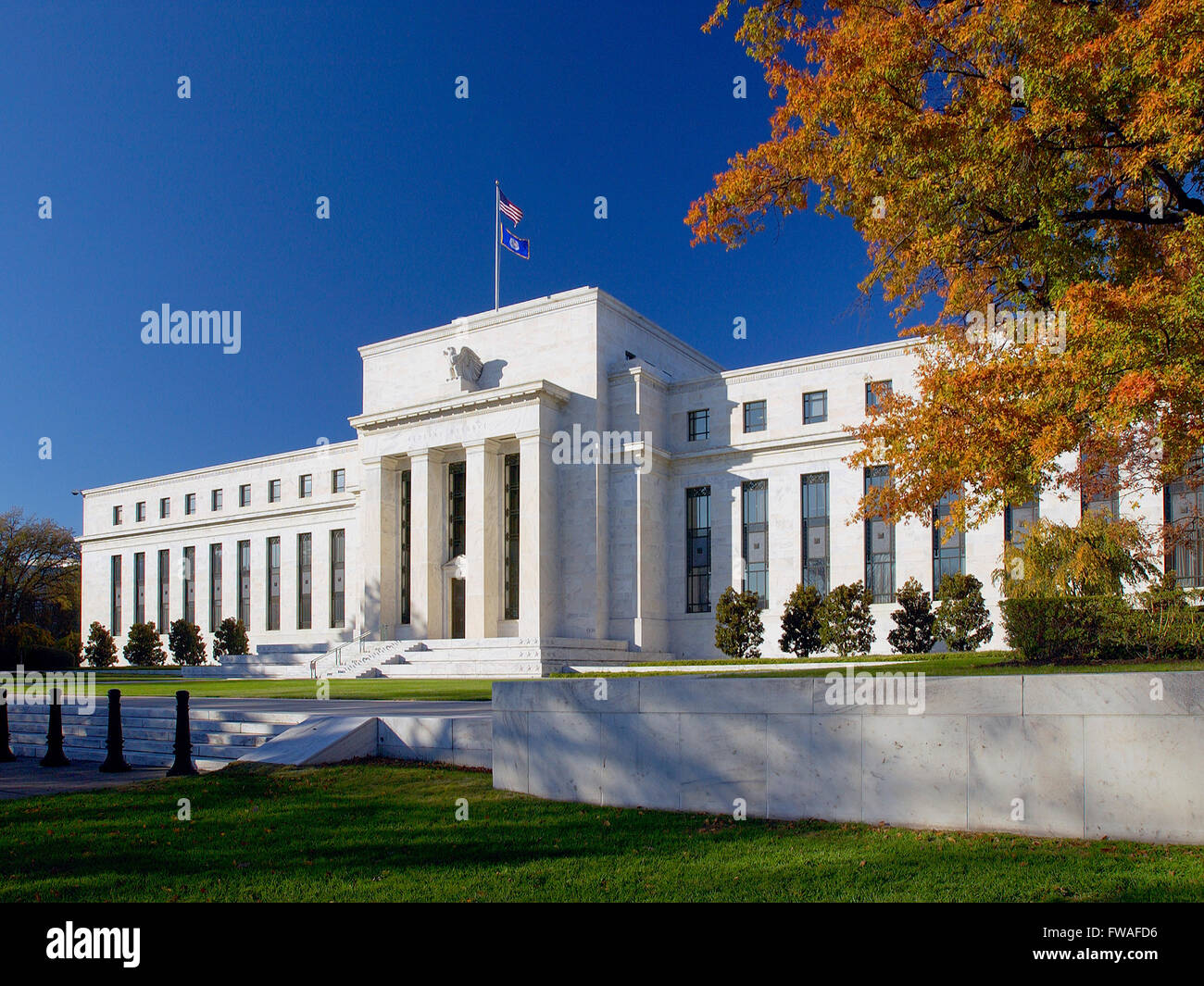
According to the latest reports, Jerome Powell, Chair of the Board of Governors of the Federal Reserve System, issued a statement on January 11, 2026, stating that the Trump administration, via the Department of Justice, issued a grand jury subpoena to the Federal Reserve, threatening criminal prosecution against him, related to his testimony before the Senate Banking Committee in June 2025 regarding the Federal Reserve headquarters renovation project (costing $2.5 billion) [1][2]. Powell clearly stated that these charges are “a pretext”, and the real purpose is to pressure the Federal Reserve on interest rate policy formulation [3].
This incident marks a major escalation in the struggle between Trump and the Federal Reserve, and has also sparked serious concerns about the independence of the central bank of the world’s largest economy [4].
According to the latest market data, this incident has already triggered significant market volatility:
| Asset Class | Direction of Change | Fluctuation Range | Market Implication |
|---|---|---|---|
| U.S. Dollar Index (DXY) | Down | -1.23% | Rising investor risk aversion, reduced attractiveness of the U.S. dollar |
| Gold Price | Up | +2.35% | Surge in demand for safe-haven assets |
| S&P 500 Index | Increased Volatility | Expanded Intraday Amplitude | Increased valuation uncertainty |
Looking at the performance of major U.S. stock indices (data from December 29, 2025, to January 9, 2026) [0]:
- S&P 500 Index: Fluctuated in the range of 6,845-6,978
- Nasdaq Composite Index: Oscillated in the range of 23,119-23,721
- Dow Jones Industrial Average: Traded in the range of 47,853-49,571
- Russell 2000 Index: Moved in the range of 2,480-2,636
Erosion of Federal Reserve independence will lead investors to demand higher equity risk premiums. Kyle Rodda, Senior Market Analyst at Capital.com, noted: “This is another threat to Federal Reserve independence. It’s bad news for both the market and the U.S. dollar, and also exerts negative pressure on U.S. Treasuries” [4].
- Rising Discount Rate: Increased monetary policy uncertainty will push up the cost of equity
- Downward Revision of Earnings Expectations: Policy instability may affect corporate investment decisions and economic growth prospects
- Liquidity Premium: Reduced predictability of central bank policy increases market liquidity risk
According to the analysis in the Farther 2026 Outlook Report, if volatility rises, the following sectors may see differentiated performance [5]:
- Defensive Sectors(Healthcare, Consumer Staples): May outperform the broader market
- Cyclical Sectors: May face greater selling pressure
- Value Stocks: May outperform growth stocks
Powell clearly pointed out the core issue in his statement: “This is about whether the Federal Reserve can continue to set interest rates based on real data evidence and economic conditions – or whether monetary policy will be dictated by political pressure or coercion in the future” [3].
Jeremy Kress, Associate Professor of Business Law at the University of Michigan, commented: “This investigation is a complete pretext, just like last year’s investigation into Fed Governor Cook. President Trump is desperate to gain control of the Federal Reserve, and once again weaponized federal law to target his political opponents” [4].
When a central bank faces political interference, the credibility of its policy forward guidance will be severely damaged. Investors will find it harder to predict future interest rate trends.
- Current FOMC members may face pressure to take sides
- Disagreements in policy meetings may become public
- Decision-making efficiency may decline
Bloomberg analysis points out that the market will closely monitor the Federal Reserve Chair candidate selected by Trump and their impact on interest rate policy [6]. Trump has stated that he has identified a successor, with an announcement expected soon. Kevin Hassett, Chief Economic Advisor, is the leading candidate [3].
When monetary policy is driven by political influence rather than economic data:
- Inflation expectations may spiral out of control
- Public trust in the central bank declines
- Financial markets may experience irrational volatility
The U.S. Dollar Index fell immediately after the news was announced, and the status of the U.S. dollar as the global reserve currency may face questions [4]. This could lead to:
- Reduced attractiveness of U.S. dollar assets
- Foreign central banks may adjust their foreign exchange reserve allocations
- Increased borrowing costs for the U.S. government
Investors may re-evaluate their allocation ratios to U.S. assets:
- Capital may flow to safe-haven assets of other central banks
- Emerging markets may receive partial allocation capital
- The global financial landscape may undergo adjustments
Powell stated at the December 2025 FOMC meeting:
- Short-term inflation risks are tilted to the upside
- Employment risks are tilted to the downside
- The situation is fraught with challenges
- The median forecast for the federal funds rate by the end of 2026 is 3.4% [3]
Political interference may make this balance even more fragile.
Historically, the Federal Reserve’s independence has faced challenges multiple times, but never to the extent of a criminal prosecution threat. This incident may set a dangerous precedent:
| Period | Type of Challenge | Market Reaction |
|---|---|---|
| 1970s | Wage-Price Controls | Runaway Inflation |
| 1990s | Treasury Department Intervention | U.S. Dollar Crisis |
| Current | Criminal Investigation Threat | Ongoing |
- The lawsuit ultimately fails or is dismissed
- Market sentiment gradually recovers
- Fed credibility is partially damaged but remains largely intact
- Sustained legal and political games
- Market volatility remains at a high level
- Investors demand higher risk premiums
- Fed policy predictability declines
- Powell is forced to resign or is removed from office
- Markets experience severe turmoil
- U.S. dollar credit is damaged
- The stability of the global financial system is impacted
Based on current uncertainty, it is recommended that investors consider:
-
Increase Defensive Allocations
- Utilities, healthcare sectors
- High-rated bonds
- Safe-haven assets such as gold
-
Reduce Exposure to U.S. Assets
- Consider diversification to other developed markets
- Selective allocation to emerging markets
-
Focus on Volatility Strategies
- Consider option protection strategies
- Volatility-related products
Signals that require close monitoring:
- U.S. Dollar Index trends
- Changes in the U.S. Treasury yield curve
- Public statements by Fed officials
- Progress of legal proceedings
- International capital flow data
Although short-term uncertainty has increased, from a long-term perspective:
- The U.S. economic fundamentals remain resilient
- The Federal Reserve system has self-healing capabilities
- The market will eventually return to fundamental pricing
The political pressure and threat of criminal prosecution faced by Federal Reserve Chair Powell pose multiple risks to U.S. stock market valuations and monetary policy stability:
- Valuation Impact: Rising risk premiums, higher discount rates, and pressure to reassess valuation models
- Policy Impact: Eroded independence, reduced predictability, and distorted policy transmission mechanisms
- Systemic Risks: U.S. dollar status, global capital flows, and macroeconomic stability
Investors should remain vigilant, monitor developments, and adjust their investment strategies based on their risk tolerance. The current market volatility brings risks, but may also provide long-term allocation opportunities after adjustments.
[1] Los Angeles Times - “Fed Chair Powell says DOJ has subpoenaed central bank, threatens criminal indictment” (https://www.latimes.com/world-nation/story/2026-01-11/fed-chair-powell-says-doj-has-subpoenaed-central-bank-threatens-criminal-indictment)
[2] Spectrum Local News - “Powell says DOJ subpoenaed Fed, threatens indictment” (https://spectrumlocalnews.com/me/maine/politics/2026/01/12/federal-reserve-jerome-powell-subpoean-indictment-threatened)
[3] Securities Times Network - “Fed Breaking News! Powell Under Criminal Investigation!” (https://www.stcn.com/article/detail/3585552.html)
[4] U.S. News & World Report - “Investors React as Trump-Fed Feud Escalates” (https://money.usnews.com/investing/news/articles/2026-01-11/investors-react-as-trump-fed-feud-escalates)
[5] Farther - “The Farther 2026 Outlook: Embrace Volatility” (https://www.farther.com/post/the-farther-2026-outlook-embrace-volatility)
[6] Bloomberg - “The Fed’s Six Big Challenges in 2026” (https://www.bloomberg.com/opinion/articles/2026-01-06/federal-reserve-s-six-big-challenges-in-2026)
[0] Jinling AI Market Data - Historical Price Data of Major U.S. Stock Indices
Insights are generated using AI models and historical data for informational purposes only. They do not constitute investment advice or recommendations. Past performance is not indicative of future results.
About us: Ginlix AI is the AI Investment Copilot powered by real data, bridging advanced AI with professional financial databases to provide verifiable, truth-based answers. Please use the chat box below to ask any financial question.