
Criminal Investigation into Fed Chair Powell: Unprecedented Threat to Monetary Policy Independence
Unlock More Features
Login to access AI-powered analysis, deep research reports and more advanced features
About us: Ginlix AI is the AI Investment Copilot powered by real data, bridging advanced AI with professional financial databases to provide verifiable, truth-based answers. Please use the chat box below to ask any financial question.
Related Stocks
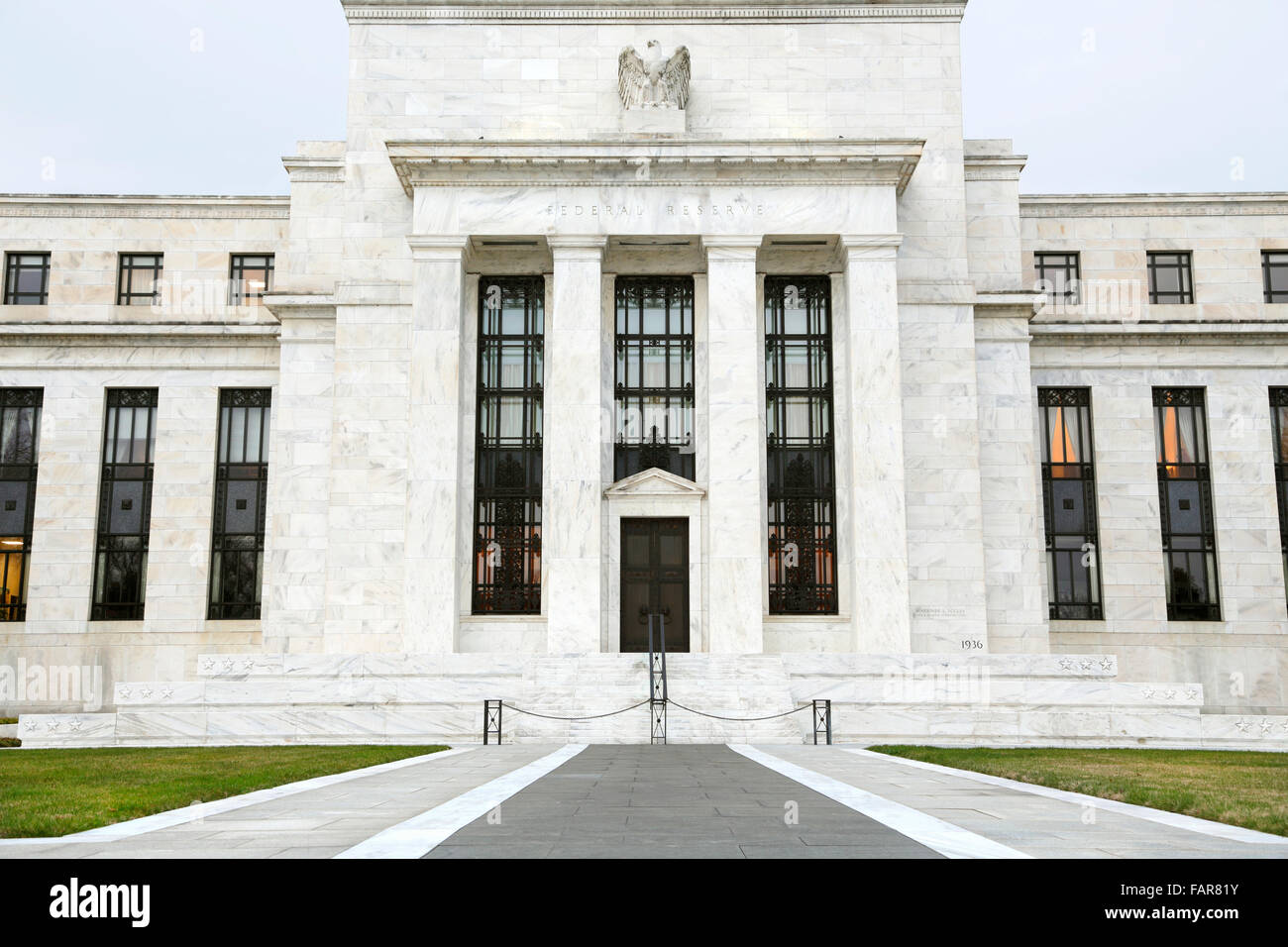
This analysis examines the breaking news report published on January 11, 2026, indicating that federal prosecutors have opened a criminal investigation into Federal Reserve Chair Jerome Powell. The investigation, reportedly approved in November 2025 and led by the U.S. Attorney’s Office for the District of Columbia under Trump-appointed U.S. Attorney Jeanine Pirro, focuses on the Federal Reserve’s headquarters renovation project and whether Powell provided misleading testimony to Congress regarding the project’s scope and costs [1][2]. This development represents an unprecedented escalation in tensions between the executive branch and Federal Reserve independence—a cornerstone of U.S. financial system credibility that global markets have relied upon for decades. Neither the Department of Justice nor the Federal Reserve has issued official comment as of the report timestamp, leaving significant information gaps while markets assess potential implications for monetary policy continuity and broader financial stability.
The criminal investigation into Fed Chair Jerome Powell marks a historic moment in American monetary policy governance, as no sitting Federal Reserve chair has previously faced criminal prosecution inquiry. According to reporting by The New York Times and confirmed by multiple financial news outlets including CNBC, Bloomberg Law, and Investing.com, the investigation centers on two primary dimensions [1][2][3][4]. First, prosecutors are examining the Federal Reserve’s headquarters renovation project, analyzing internal spending records and procurement documentation to determine whether expenditures exceeded authorized budgets or proper procedural channels. Second, investigators are assessing whether Powell’s public testimony before Congress accurately represented the renovation’s scope and costs, potentially raising questions about false statements made under oath—a serious criminal matter carrying felony penalties.
The timing of this investigation carries significant political and institutional weight. Powell’s term as Fed chair expires in May 2026, creating a natural transition point regardless of the investigation’s outcome. His term as a Fed governor extends through January 2028, providing some institutional continuity even if he were to depart the chairmanship. President Trump has already selected a preferred successor, with Kevin Hassett identified as the leading contender, and announcement of the nomination is expected imminently. This coincidence raises questions about whether the investigation’s timing serves political objectives related to the leadership transition or represents independent prosecutorial judgment.
The Federal Reserve’s independence from political influence represents one of the most critical structural features of the U.S. financial system, designed to insulate monetary policy decisions from short-term political pressures. This investigation directly challenges that independence framework, creating uncertainty about the central bank’s autonomy in setting interest rate policy, managing inflation expectations, and regulating financial institutions. Market participants have historically relied on the assumption that Fed decisions derive from economic analysis rather than political considerations—a foundation now potentially undermined by criminal proceedings against the institution’s leadership.
The constitutional dimensions of this investigation extend beyond monetary policy into the separation of powers framework. The investigation involves potential obstruction of Congressional oversight, as false testimony before Congress violates federal statute regardless of the witness’s position. However, the investigation’s origins under a U.S. Attorney appointed by the same president who has publicly criticized Powell’s policy decisions raise concerns about potential weaponization of prosecutorial authority against institutional rivals. This dynamic creates a complex scenario where legitimate oversight concerns intersect with politically motivated interference risks.
Financial markets exhibit high sensitivity to Fed leadership stability due to the central bank’s influence on interest rates, inflation expectations, and risk asset valuations. The dollar index (DXY) and Treasury yields serve as primary transmission mechanisms for Fed-related news, with unexpected developments typically generating elevated volatility in both currency and fixed income markets [4]. Safe-haven assets including gold and longer-dated Treasuries may experience inflows as investors hedge against policy uncertainty, while equity markets could show sector-specific reactions with interest-rate-sensitive segments facing particular pressure.
The investigation’s announcement on a weekend creates additional market dynamics, as European and Asian trading sessions will react to the news before U.S. markets open. This extended reaction period may amplify price movements as global participants digest implications and adjust positions without the moderating influence of U.S. liquidity. Volatility indices and credit default swap spreads on U.S. sovereign and financial sector debt provide early indicators of market stress levels during the Asian trading session.
The criminal investigation’s legal foundation warrants careful examination. Prosecutors are reportedly analyzing Powell’s Congressional testimony alongside internal Federal Reserve spending records, suggesting a potential false statements or obstruction case rather than more complex charges related to the renovation itself [2]. False statements to Congress constitute a felony offense under federal law, carrying potential penalties including imprisonment and fines. However, establishing intent—particularly for statements made during Congressional testimony where memory and recollection defenses may apply—presents prosecutorial challenges.
The investigation’s approval timeline, reportedly occurring in November 2025, raises questions about when prosecutors developed sufficient basis to pursue a criminal inquiry against the Fed chair. Grand jury proceedings, if underway, would operate under seal, limiting public visibility into the investigation’s scope and进度. Subpoenas to Federal Reserve staff for documents related to the renovation project would represent a significant escalation, potentially triggering institutional resistance and privilege assertions that could delay proceedings.
The investigation emerges against the backdrop of well-documented tensions between President Trump and Chair Powell dating to Powell’s initial appointment. Trump’s public criticisms of Powell’s interest rate policies, particularly during the 2024-2025 period, established a contentious relationship that now manifests in criminal proceedings. The selection of Jeanine Pirro as U.S. Attorney for D.C., a former prosecutor and television personality known for aggressive prosecutorial tactics, signals administration priorities for the district responsible for federal crimes in the nation’s capital.
Powell’s approaching term expiration creates a natural resolution pathway regardless of investigation outcomes. A criminal conviction would effectively end Powell’s public service career and potentially trigger Congressional action on his governorship term. An exoneration, conversely, could generate significant political backlash against an administration perceived as weaponizing law enforcement against institutional critics. The investigation’s ultimate resolution—whether through indictment, declination, or settlement—will establish precedent for future interactions between political appointees and independent agency leadership.
Current reporting relies on unnamed officials briefed on the investigation, representing standard practice for breaking news involving ongoing criminal matters but introducing uncertainty about specific allegations and evidence strength [1][2]. The absence of official comment from both the Department of Justice and the Federal Reserve leaves critical questions unanswered regarding the investigation’s scope, timeline, and prosecutorial intentions. Market participants should anticipate potential official statements—either confirming or denying aspects of the reporting—that could significantly alter the information landscape and market reaction.
The criminal investigation into Fed Chair Jerome Powell, as reported by The New York Times on January 11, 2026, represents an unprecedented development in American monetary policy governance with significant implications for Federal Reserve independence, market stability, and constitutional balance of powers [1][2]. The investigation, conducted by the U.S. Attorney’s Office for D.C. under Trump-appointed leadership, examines whether Powell misled Congress regarding the Federal Reserve’s headquarters renovation project—a potentially felony false statements matter if proven. Neither the Department of Justice nor the Federal Reserve has confirmed the investigation, leaving critical details unverified while markets assess implications for monetary policy continuity and dollar strength.
Powell’s chairmanship term expires in May 2026, coinciding with the investigation’s public disclosure and President Trump’s anticipated nomination of a successor. This timing raises questions about the investigation’s relationship to the leadership transition while providing a natural resolution pathway regardless of legal outcomes. Market participants should monitor official responses from both DOJ and the Federal Reserve, Treasury and currency market reactions during Asian and European trading sessions, and Congressional response including potential oversight hearings. The January FOMC meeting on January 28-29 will provide an early test of policy communication and institutional stability amid the developing situation.
Information gaps remain significant, including the investigation’s legal basis, evidence strength, grand jury status, and prosecutorial intentions. Investors should maintain awareness of elevated volatility risk while recognizing that current reporting relies on unnamed sources and remains unconfirmed by official authorities.
[0] Ginlix InfoFlow Analytical Database – Market data and technical indicators analysis
[1] CNBC – “Fed Chair Powell under criminal probe by federal prosecutors: Report” – https://www.cnbc.com/2026/01/12/fed-jerome-powell-criminal-probe-nyt.html
[2] New York Times – “Federal Prosecutors Are Said to Have Opened Inquiry Into Fed Chair Powell” – https://www.nytimes.com/2026/01/11/us/politics/jerome-powell-fed-inquiry-trump.html
[3] Bloomberg Law – “Powell Faces Criminal Probe Over Fed’s Renovation” – https://news.bgov.com/banking-law/powell-faces-criminal-probe-over-feds-renovation-nyt-reports
[4] Investing.com – “US prosecutors open probe into Fed Chair Powell over HQ revamp” – https://www.investing.com/news/stock-market-news/us-prosecutors-open-probe-into-fed-chair-powell-over-hq-revamp-nyt-4440630
Insights are generated using AI models and historical data for informational purposes only. They do not constitute investment advice or recommendations. Past performance is not indicative of future results.
About us: Ginlix AI is the AI Investment Copilot powered by real data, bridging advanced AI with professional financial databases to provide verifiable, truth-based answers. Please use the chat box below to ask any financial question.