
In-Depth Analysis Report on Pinecone Wisdom Inc.'s Business Model and Sustainability
Unlock More Features
Login to access AI-powered analysis, deep research reports and more advanced features
About us: Ginlix AI is the AI Investment Copilot powered by real data, bridging advanced AI with professional financial databases to provide verifiable, truth-based answers. Please use the chat box below to ask any financial question.
Based on the collected information, I will now provide you with a systematic and comprehensive analysis report on Pinecone Wisdom Inc.'s business model.
Pinecone Wisdom Inc. formally submitted a main board listing prospectus to the Hong Kong Stock Exchange (HKEX) on January 2, 2026, aiming to become “the first share of shared electric bikes”, with Huatai International serving as the exclusive sponsor[1]. This is the company’s second attempt at the capital market – as early as the first half of 2021, the company considered a US IPO and had secretly submitted a prospectus to the U.S. Securities and Exchange Commission (SEC), which was later shelved due to changes in the capital market environment[2].
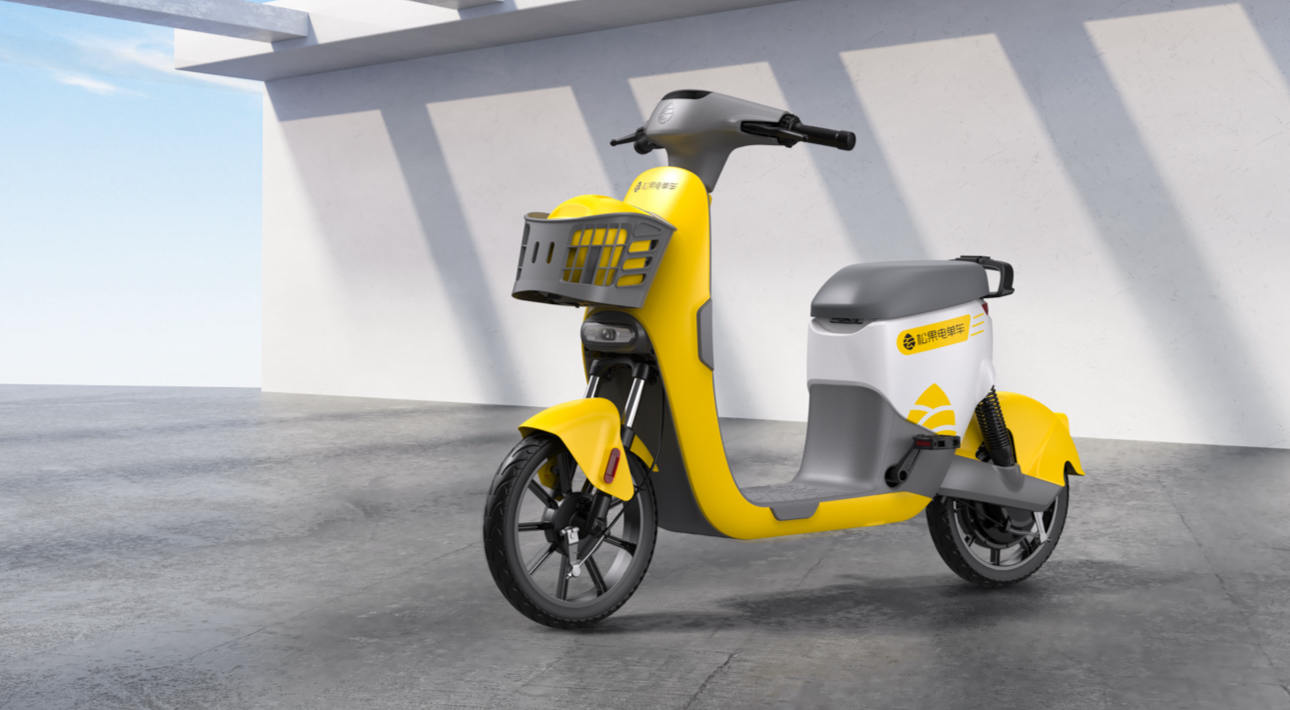
Founded in 2017 by Zhai Guanglong, a member of Meituan’s founding team and co-founder of TianTian Car, the company uses a striking yellow appearance as its brand identity[1]. After eight years of development, as of September 30, 2025, the company has deployed 454,627 shared electric bikes in 422 cities and counties across the country, with the total number of registered users increasing from 99 million at the end of 2023 to 128 million by the end of September 2025[1][2]. According to a report by CIC Consulting, based on 2024 transaction volume and vehicle deployment, the company is the largest shared electric bike service operator in China’s “peripheral development regions” (i.e., sinking markets), and ranks fourth in the overall national market[2][3].
Since its establishment, the company has received investments from well-known institutions such as Innovation Works, ZhenFund, BlueRun Ventures, SoftBank, Nokia Growth Partners, and Sequoia Capital China. As of the prospectus disclosure date, Innovation Works, ZhenFund, and BlueRun Ventures hold 23.23%, 14.12%, and 11.85% of Pinecone Wisdom Inc.'s shares respectively, making them the major institutional investors[2].
In terms of revenue performance, Pinecone Wisdom Inc. has fallen into an obvious growth bottleneck. The prospectus shows that the company’s revenue was RMB 953 million in 2023 and RMB 963 million in 2024, basically flat[3][4]. It achieved revenue of RMB 746 million in the first three quarters of 2025, almost identical to RMB 745 million in the same period of 2024, indicating that the company’s revenue growth has nearly reached a ceiling[4].
Shared electric bike services are the company’s core revenue source, with revenues from this business reaching RMB 935 million, RMB 933 million, and RMB 698 million during the reporting periods, accounting for more than 90% of total revenue[5]. The company attempted to drive revenue growth through a price increase strategy, with the average price per trip gradually rising from RMB 2.73 in 2023 to RMB 2.85 in 2024, and then to RMB 2.94 in the first three quarters of 2025[4]. However, this strategy failed to effectively translate into revenue growth.
More importantly, the company’s daily order volume has shown a continuous downward trend. Data shows that the average daily order volume decreased from 1.1019 million in 2023 to 1.0551 million in 2024, and further to 1.0060 million in the first three quarters of 2025[4]. The company explained that this is mainly due to the strategic optimization of its operating region portfolio, adjusting operations to large-scale markets. However, the continuous loss of order volume has undoubtedly brought enormous pressure to revenue growth.
In terms of profitability, the company achieved adjusted net profit of RMB 26.4 million for the first time in the first three quarters of 2025[3][5], breaking the streak of continuous losses. However, this turnaround into profitability needs to be interpreted cautiously.
Looking at historical data, the company recorded net losses of RMB 192 million and RMB 151 million in 2023 and 2024 respectively[3][4], with cumulative losses exceeding RMB 400 million over two years. The adjusted net profit of RMB 26.4 million in the first three quarters of 2025 was mainly achieved through cost reduction and efficiency improvement – the company’s R&D expenditure gradually decreased from RMB 129 million in 2023 to RMB 85 million in the first three quarters of 2025, and employee compensation and benefits also decreased from RMB 221 million in 2023 to RMB 159 million in the first three quarters of 2025[4][5]. The sustainability of profitability achieved through compressing R&D and labor costs is questionable.
Gross margin has indeed shown an improving trend, rising from 15.8% in 2023 to 18.9% in 2024, and further to 24.3% in the first three quarters of 2025[3][5]. However, this improvement is mainly due to cost control rather than revenue growth, and the scale effect has not been fully realized.
The prospectus also reveals several hidden risks to financial health. First, accounts receivable have been increasing year by year, reaching RMB 7.9 million, RMB 17.6 million, and RMB 20.2 million during the reporting periods, while the provision for credit losses on accounts receivable was RMB 9.1 million, RMB 17.9 million, and RMB 27.1 million respectively[5], which means the company is facing increasing bad debt risks. Second, the company’s net current liabilities have continued to increase, reaching RMB 1.127 billion, RMB 1.204 billion, and RMB 1.452 billion respectively[5], with increasing debt pressure. As of September 30, 2025, the company’s cash and cash equivalents stood at RMB 157 million[5]. Amid continuous losses and expansion demands, the risk of cash burn cannot be ignored.
China’s shared electric bike industry presents a highly concentrated oligopolistic competitive landscape. Three enterprises, Hello, Meituan, and Qingju (owned by Didi), together account for more than 70% of the market share, forming a stable tripartite balance of power[6][7]. According to industry data, these three companies together accounted for 93.3% of the market share in 2020[6]. By 2024, based on deployment volume, Hello Mobility had approximately 2.6 million units, Meituan had approximately 2 million units, and Qingju had approximately 1.7 million units[6].
According to the 2024-2025 report by iResearch, the industry has clear echelons: the first echelon consists of the three giants Hello, Meituan, and Qingju, which firmly occupy leading positions with their large vehicle ownership, extensive market coverage, and strong brand influence; the second echelon includes enterprises such as Qidian, Xiaoliu, Pinecone Wisdom Inc., and Mibu, which have certain market shares and competitiveness in specific regions or segments; the third echelon is composed of numerous small and medium-sized enterprises[7].
Pinecone Wisdom Inc. disclosed in its prospectus that the company’s 2024 shared electric bike transaction volume was RMB 1.1 billion, with a market share of only 6.6% based on transaction volume and 5.9% based on the number of deployed shared electric bikes, ranking fourth among Chinese shared electric bike brands[4]. Compared with the combined market share of 67.4% of the top three[4], the gap between Pinecone Wisdom Inc. and the leading enterprises is significant.
In terms of operational scale, as of the end of 2024, Hello Mobility covered approximately 500 cities with about 1.4 million units deployed; Meituan and Qingju each covered approximately 700 cities, with 1.1-1.2 million units deployed respectively; while Pinecone Wisdom Inc. covered approximately 422 cities with about 450,000 units deployed[7][8]. Although the company claims to rank first in the sinking market (“peripheral development regions”)[1][2], this leading position in a niche market is difficult to support full-scale competition with giants.
The company frankly stated in its prospectus that it faces multiple competitive disadvantages: several competitors have more abundant financial, technological, marketing, R&D, or manufacturing resources, higher brand awareness, longer operating history, and larger user bases[4]. The giants can invest more resources in developing, promoting, and marketing their products, and offer more competitive prices[4].
More severely, the three giants are accelerating their penetration into the sinking market, forming direct competition with Pinecone Wisdom Inc. In the past, Pinecone Wisdom Inc. relied on the differentiated strategy of “encircling cities from the countryside” to avoid fierce competition in high-tier cities[5], but this strategic space is being compressed. As the giants deepen their layout in county-level markets, Pinecone Wisdom Inc.'s living space is facing squeeze.
The core differentiation of Pinecone Wisdom Inc. lies in its full industrial chain integration capability. According to a report by CIC Consulting, the company is the only professional shared electric bike platform that covers the entire value chain from independent electric bike design and manufacturing to operation and management[1]. This vertical integration model allows the company to effectively control costs and focus on ensuring the safety and reliability of the electric bike user experience[3].
In terms of industrial chain layout, the company extends upstream to vehicle manufacturing, competing with contract manufacturers such as Yadea and Aima[7]. This model helps reduce procurement costs, improve supply chain efficiency, and enhance product differentiation. However, full industrial chain layout also means heavier asset investment and higher operational complexity, putting forward higher requirements for the company’s capital and management capabilities.
The company’s revenue is highly dependent on shared electric bike services, with this business accounting for more than 90% of total revenue during the reporting periods[5]. This single revenue structure faces significant risks: riding fees are subject to dual pressures of order volume and unit price, while order volume is affected by multiple factors such as market competition, user churn, and regulatory policies.
To expand revenue sources, the company has tried to develop supplementary businesses such as platform services, advertising services, and sales of electric bikes and spare parts[5]. However, according to prospectus data, these businesses have not yet formed significant revenue contributions. The prospectus shows that the funds raised from the IPO will be used to “strengthen the exploration of commercialization of electric bike sales”[1][2], indicating that the company is trying to convert its own production capacity into external sales revenue, but this also means entering a more competitive market.
The cost structure of the shared electric bike industry mainly includes: vehicle procurement cost (RMB 2,500-3,000 per unit), operation and maintenance costs (maintenance personnel, battery swap costs, etc.), vehicle depreciation costs, warehouse rental and IT costs[8]. According to industry estimates, the shared electric bike business can achieve positive cash flow in the second year if cash flow is good, while the shared bike business is difficult to achieve break-even within a three-year operation period[8].
However, there are many challenges in actual operations. Taking Pinecone Wisdom Inc. as an example, its cost pressures include: ① High vehicle wear and maintenance costs; ② Construction and operation costs of battery swap networks; ③ Decline in operation and maintenance efficiency caused by the dispersion of sinking markets; ④ Compliance costs involved in cooperation with local governments, etc.
The company adopted a price increase strategy to improve revenue and profit, with the average price per trip gradually rising from RMB 2.73 in 2023 to RMB 2.94 in the first three quarters of 2025[4]. However, this strategy has caused user dissatisfaction, with Pinecone Wisdom Inc.'s WeChat Mini Program scoring only 1.2 points[4]. User complaints focus on the following aspects: a starting price of RMB 3 (including 30 minutes), followed by a time fee of RMB 0.1 per minute; a management fee of RMB 30 for returning vehicles outside the operating area, RMB 10 for returning vehicles to non-P points, and a maximum management fee of RMB 20 for defaulted vehicle use[4]. Users feedback that there are too few operating areas and P-point parking spots, and they often encounter situations such as being charged for accidentally leaving the operating area and being unable to return vehicles due to vehicle network problems[4].
Price sensitivity analysis shows that when shared electric bikes are priced too high, users may switch to other travel methods (such as ride-hailing, public transport, etc.), which limits the company’s price increase space.
Despite facing fierce competition, Pinecone Wisdom Inc. still has several core advantages. First is the
Pinecone Wisdom Inc. also faces significant sustainability challenges:
The company’s revenue growth has stagnated, daily order volume continues to decline[4], and the existing market penetration is close to saturation. More importantly, as the fourth player in the industry, the company is unable to achieve the scale effect enjoyed by leading enterprises – it is at a disadvantage in various aspects such as vehicle procurement costs, operation and maintenance efficiency, and brand premium.
Hello, Meituan, and Qingju are accelerating their layout in the sinking market, forming direct competition with Pinecone Wisdom Inc. With advantages in capital, technology, traffic, operation and maintenance, etc., the giants may quickly seize Pinecone Wisdom Inc.'s market share[4]. The company’s prospectus clearly states: “Some of our competitors have more substantial financial, technological, marketing, research and development or manufacturing resources than us”[4].
In 2025, incidents of Pinecone Wisdom Inc.'s suspected illegal deployment were exposed in multiple places. According to media reports, unlicensed shared electric bikes of Pinecone Wisdom Inc. appeared in Luoyang, Hefei, Nanchong and other places, and local transportation authorities determined that their unfiled deployment was illegal[4]. The Transportation Bureau of Shizhong District, Leshan City clearly stated that only three companies, Meituan, Renmin Chuxing, and Hello, are allowed to deploy internet rental bicycles in the main urban area, and the relevant vehicles deployed by Pinecone Wisdom Inc. are being cleared[4]. This incident reflects that the company may have neglected compliance requirements during rapid expansion, and if regulatory risks break out, they will have a significant impact on the business.
The company’s R&D expenditure has been decreasing year by year, from RMB 129 million in 2023 to RMB 85 million in the first three quarters of 2025[4][5]. Against the background of intensified industry competition and rapid technological iteration, the decline in R&D investment may lead to further weakening of the competitiveness of products and services. The company frankly stated in its prospectus: “We may continue to record losses in the future due to continuous investment in shared electric bike services, exploration of electric bike sales and other initiatives”[5].
As of September 30, 2025, the company’s net current liabilities reached as high as RMB 1.452 billion, while cash and cash equivalents were only RMB 157 million[5], resulting in high financial leverage. Considering that the company has not yet achieved overall profitability, it may need continuous external financing to maintain operations in the future, and financing capacity and financing costs will directly affect the company’s sustainable operating capability.
The prospectus discloses that the funds raised from the IPO will be mainly used for: expanding regional coverage and deepening market penetration; R&D purposes; strengthening the exploration of commercialization of electric bike sales; exploring overseas expansion opportunities; and general corporate purposes and working capital needs[1][2].
However, analysts have reservations about the feasibility of these strategic plans. The incremental space of China’s county-level market is narrowing, while first- and second-tier cities are firmly controlled by giants[3]; cultural differences, policy risks, and operational complexity in overseas markets far exceed those in China[3]; the electric bike sales business needs to face fierce competition from mature brands such as Yadea and Aima. The prospectus itself clearly states: “We may not be able to achieve or maintain profitability in the short term”[5].
Instead of competing head-on with giants in the entire market, it is better to further deepen differentiated advantages in specific scenarios or regions. Consider focusing on specific industry users (such as food delivery riders, couriers), specific geographical regions (such as specific provinces or urban agglomerations), or specific time-period needs (such as night travel, scenic spot rentals) to establish a leading position in segmented markets.
Independent enterprises may consider establishing strategic cooperation with local public transport groups, taxi companies, smart city solution providers, etc., to make up for resource disadvantages through ecological collaboration. For example, cooperate with local governments to participate in smart transportation projects and convert travel data into government service revenue[3].
In addition to riding fees, actively develop value-added revenue sources, including: advertising services (vehicle body advertisements, APP advertisements), data services (travel data insights), battery swap services (providing battery swap networks to food delivery riders, etc.), vehicle sales (external sales of self-branded electric bikes), etc.[7].
Continuously reduce operation and maintenance costs through technical means such as optimizing vehicle dispatching efficiency with AI algorithms, reducing failure rates through predictive operation and maintenance, and improving safety through intelligent battery management. According to industry data, leading enterprises have reduced the average operation and maintenance cost per order by 12% year-on-year through dynamic dispatching algorithms[7].
In view of the industry integration trend, independent enterprises may consider capital operation methods such as being acquired by strategic investors, merging with other small and medium-sized platforms, or introducing investors with state-owned capital background, so as to obtain stronger resource support and risk resistance capabilities.
As an independently operated shared electric bike enterprise, Pinecone Wisdom Inc. faces significant challenges to the sustainability of its business model. Although the company achieved adjusted profitability for the first time in the first three quarters of 2025, it was mainly achieved through compressing R&D and labor costs, and the foundation is not solid. Problems such as stagnant revenue growth, continuous decline in order volume, limited market share (only 6.6%), declining R&D investment, and rising regulatory compliance risks all pose pressure on its long-term development.
Under the market pattern dominated by internet giants, the living space of independent shared electric bike enterprises is indeed severely squeezed. Pinecone Wisdom Inc.'s choice to sprint for a Hong Kong IPO at this time is not only a conventional path to seek capital “blood transfusion” for continued expansion, but also a key stress test for its independent business model.
From the perspective of investment value assessment, the investment logic of Pinecone Wisdom Inc. mainly relies on three assumptions: ① The growth space of the sinking market is sufficient to support the company’s continuous expansion; ② The cost advantages brought by full industrial chain integration are sufficient to compete with giants; ③ Industry integration or policy changes can bring unexpected opportunities. However, all three assumptions have great uncertainties.
[1] Eastmoney - “IPO Radar | Pinecone Wisdom Inc. Pursues Hong Kong IPO, Accounts Receivable Rises Year by Year While R&D Expenditure Declines” (https://finance.eastmoney.com/a/202601033607690347.html)
[2] 36Kr - “Pinecone Wisdom Inc. Sprints for Hong Kong Stock Exchange: Deploys Over 450,000 Shared Electric Bikes in 422 Cities and Counties Across the Country” (https://m.36kr.com/p/3623116642862084)
[3] National Business Daily - “Cumulative Losses Exceed RMB 400 Million in Nearly Three Years, Pinecone Wisdom Inc. Goes to Hong Kong IPO: Can Shared Electric Bikes in Sinking Markets Meet Capital Expectations?” (https://www.nbd.com.cn/articles/2026-01-04/4206042.html)
[4] Huxiu - “Suspected Illegal Deployment in Multiple Places? Pinecone Wisdom Inc. Hurries for IPO: More Negative Reviews, Fewer Orders” (https://www.huxiu.com/article/4824463.html)
[5] The Paper - “Pinecone Wisdom Inc. Pursues Hong Kong IPO: R&D Expenditure Declines Year by Year, May Not Achieve or Maintain Profitability in Short Term” (https://m.thepaper.cn/newsDetail_forward_32313083)
[6] Liaoyuan Market Research - “Analysis of Competitive Landscape of China’s Shared Electric Bike Industry: Oligopolistic Competition is Obvious” (https://www.fxbaogao.com/detail/4542598)
[7] iResearch - “2024-2025 China Shared Electric Bike Industry Research Report” (https://pdf.dfcfw.com/pdf/H3_AP202504151656745043_1.pdf)
[8]
Insights are generated using AI models and historical data for informational purposes only. They do not constitute investment advice or recommendations. Past performance is not indicative of future results.
About us: Ginlix AI is the AI Investment Copilot powered by real data, bridging advanced AI with professional financial databases to provide verifiable, truth-based answers. Please use the chat box below to ask any financial question.