
White House Energy Meeting: U.S. Oil Executives to Discuss Venezuela Sector Involvement
Unlock More Features
Login to access AI-powered analysis, deep research reports and more advanced features
About us: Ginlix AI is the AI Investment Copilot powered by real data, bridging advanced AI with professional financial databases to provide verifiable, truth-based answers. Please use the chat box below to ask any financial question.
Related Stocks
The White House meeting on January 9, 2026, marks a critical juncture in U.S. energy policy and Venezuela’s economic future. Following the Trump administration’s dramatic military operation that resulted in the seizure of Venezuelan President Nicolás Maduro on Saturday, the administration has moved swiftly to engage the U.S. energy sector in revitalizing Venezuela’s oil production capabilities [1]. This meeting represents the administration’s immediate efforts to translate geopolitical action into tangible economic commitments from the industry.
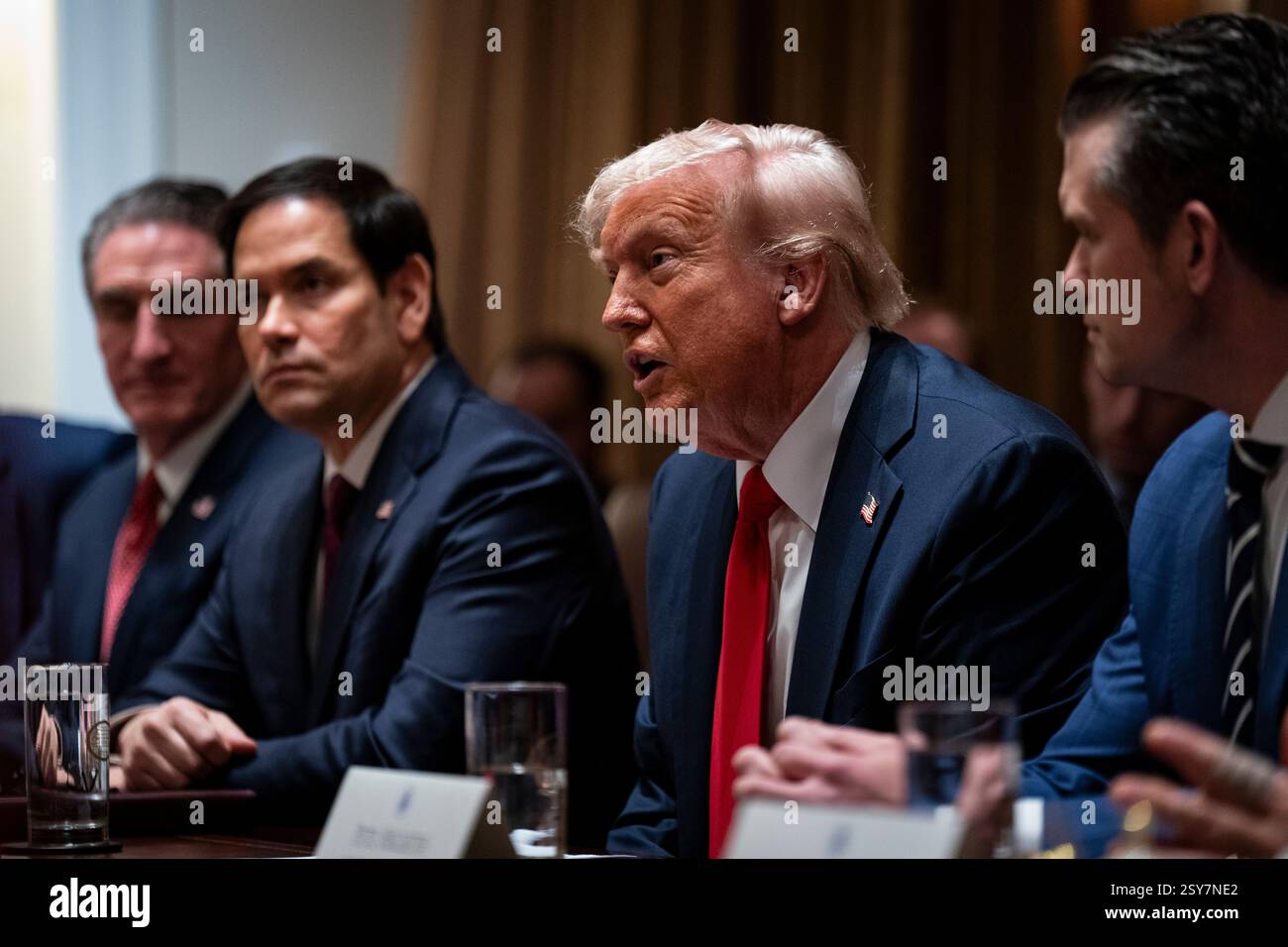
The gathering brings together key administration officials and major energy company representatives. President Trump, Energy Secretary Chris Wright, and Interior Secretary Doug Burgum are scheduled to attend, with Exxon Mobil, ConocoPhillips, and Chevron executives under examination for potential involvement in Venezuela’s energy revival [1][2]. Notably, the administration is also considering international companies including Italy’s Eni, Spain’s Repsol, and India’s Reliance Industries, representing a notable recalibration of the “America First” policy posture [1].
The strategic importance of this meeting extends beyond bilateral relations. Venezuela possesses the world’s largest proven oil reserves, and the potential reintegration of Venezuelan crude into global markets could significantly restructure international energy supply chains. The administration’s approach appears focused on leveraging U.S. industry expertise and capital to rapidly restore production capacity, while simultaneously advancing political objectives related to Venezuela’s democratic transition.
Chevron occupies a uniquely advantageous position in this evolving landscape. As the only U.S. company currently holding a license to operate in Venezuela, Chevron possesses significant first-mover advantages that could translate into substantial competitive benefits [2][3]. The company’s existing operational infrastructure and regulatory standing position it to potentially accelerate reentry into Venezuelan operations more quickly than competitors who would need to build regulatory frameworks from scratch. This advantage could prove particularly valuable given industry assessments that Venezuela operations “will not happen quickly” due to the complexity of reestablishing infrastructure and navigating political transitions [1].
The consideration of non-U.S. companies such as Eni, Repsol, and Reliance Industries for Venezuela operations represents a nuanced shift in the administration’s approach [1]. While campaign rhetoric emphasized domestic industry prioritization, the practical realities of reviving Venezuela’s energy sector may necessitate drawing on broader international expertise and capital. This dynamic could create complex competitive landscapes where U.S. majors must evaluate whether to pursue opportunities independently or collaborate with international partners possessing existing operational experience in Venezuela.
The U.S. government’s plan to sell 30-50 million barrels of seized Venezuelan state oil (PDVSA) at market prices introduces potential market displacement effects [1]. Canadian crude exports to U.S. Gulf Coast refineries may face competitive pressure from this additional supply, potentially redirecting Canadian energy shipments toward Asian markets including China. This displacement mechanism represents an underappreciated secondary effect of the Venezuela strategy that could reshape North American energy trade flows.
Oil executives are reportedly seeking concrete security guarantees and a defined political timeline for democratic transition before committing capital to Venezuela [1]. This cautious approach reflects the substantial operational and political risks inherent in the Venezuelan investment environment. The interplay between investor demands for security assurances and the administration’s urgency to secure commitments creates a negotiation dynamic that will likely influence the pace and scale of industry participation.
The potential for credit risk issues affecting U.S. Export-Import Bank loans represents a material constraint on investment capacity [1]. American businesses seeking to operate in Venezuela may face financing limitations that could affect their ability to deploy capital at competitive scales. This regulatory environment requires careful navigation and could advantage companies with stronger balance sheets capable of self-funding investments.
Industry sources emphasize that reestablishing operations in Venezuela is a complex undertaking that “will not happen quickly” [1]. Investors should temper expectations for near-term production gains, as infrastructure rehabilitation, regulatory approvals, and political stabilization must precede meaningful output increases. This extended timeline introduces prolonged exposure to geopolitical and operational risks.
The dramatic nature of recent events in Venezuela introduces unprecedented levels of geopolitical uncertainty. The rapidly evolving political landscape creates execution risks for any long-term investment planning, as policy frameworks and operational environments remain in flux.
Chevron’s existing license position creates a narrow window for establishing operational presence ahead of competitors [2][3]. This advantage could translate into preferential access to remaining infrastructure, established relationships with local stakeholders, and early positioning for eventual production upside.
A potential Venezuela energy revival could revitalize the oilfield services sector broadly [2]. Companies such as SLB and other service providers may experience renewed demand for drilling, infrastructure, and technical services, representing a growth catalyst for an industry that has faced extended period of constrained capital spending.
For energy portfolios seeking geographic diversification, the potential reentry into Venezuelan operations introduces new strategic considerations. The unique risk-return profile of Venezuela exposure could serve as a differentiated allocation opportunity for investors with appropriate risk tolerance and investment horizons.
The January 9, 2026 White House meeting represents a pivotal moment in the intersection of U.S. energy policy, geopolitical strategy, and global oil market restructuring. The Trump administration’s engagement with energy executives signals serious intent to translate recent geopolitical actions into tangible industry investment commitments in Venezuela.
Current market indicators show major U.S. energy stocks positioned near technical resistance levels, with XOM trading at $122.91 and CVX at $159.25, both above their respective 20-day moving averages [0]. These price levels suggest investor optimism regarding potential Venezuela-related opportunities, though the ultimate realization of these expectations depends on successful navigation of complex political, regulatory, and operational challenges.
The meeting outcomes will likely establish initial frameworks for industry participation, including security guarantee structures, investment commitment mechanisms, and policy guidance for the democratic transition timeline. Stakeholders should monitor announcements carefully for implications regarding sanctioned activities, license modifications, and competitive positioning among industry participants.
The consideration of international companies alongside U.S. majors introduces additional complexity to competitive dynamics, potentially creating partnership opportunities or competitive pressures that will shape the landscape of Venezuela energy sector participation in coming years.
Insights are generated using AI models and historical data for informational purposes only. They do not constitute investment advice or recommendations. Past performance is not indicative of future results.
About us: Ginlix AI is the AI Investment Copilot powered by real data, bridging advanced AI with professional financial databases to provide verifiable, truth-based answers. Please use the chat box below to ask any financial question.