
Jim Cramer Warns AI Investment Boom May Be Ending as Markets Hit Record Highs
Unlock More Features
Login to access AI-powered analysis, deep research reports and more advanced features
About us: Ginlix AI is the AI Investment Copilot powered by real data, bridging advanced AI with professional financial databases to provide verifiable, truth-based answers. Please use the chat box below to ask any financial question.
Related Stocks
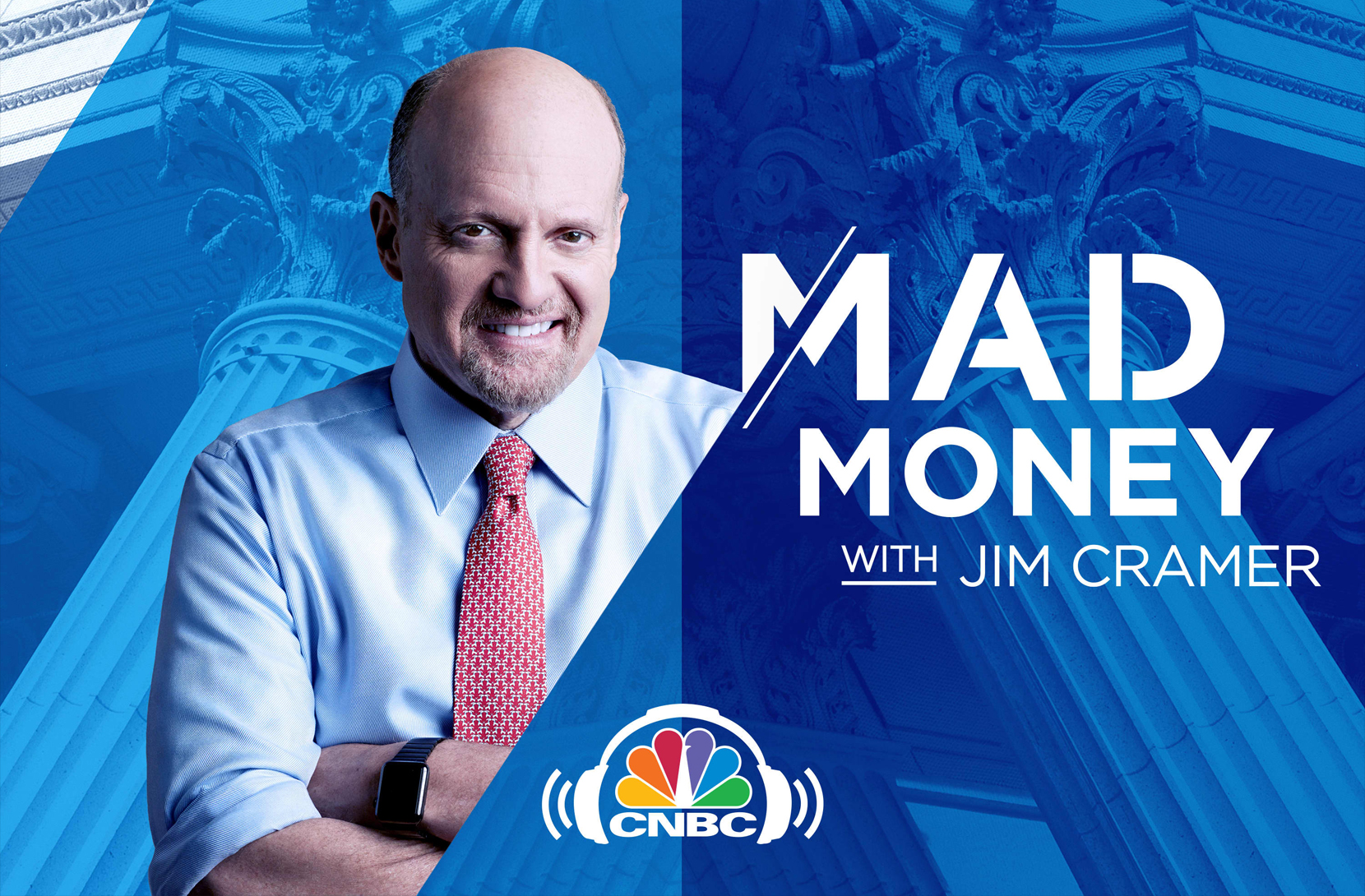
This analysis is based on Jim Cramer’s market commentary on CNBC’s “Mad Money” program on November 11, 2025, where he warned that “the easy money might have already been made” in AI investments [1]. The commentary occurred during a significant market day where the Dow Jones Industrial Average surged 559 points (1.18%) to close at a record 47,927.96, while the S&P 500 gained 0.21% to 6,846.61 [0][3].
Cramer’s concerns centered on OpenAI’s massive infrastructure spending commitments, warning that the company may need to shift from cash to debt financing, creating systemic risk across the AI sector [1][2]. He compared the situation to historical railroad bankruptcies where heavy borrowing led to failures, suggesting that “there’s going to be far fewer winners and a lot more losers” in AI stocks [1].
The market data supports Cramer’s thesis about a potential AI sector rotation. Technology was the only S&P 500 sector in the red on November 11th, while healthcare, energy, and consumer staples saw gains [3]. NVIDIA (NVDA) fell 2.96% after SoftBank disclosed selling its entire $5.8 billion stake, and CoreWeave (CRWV), a cloud computing company central to the AI trade, dropped 16.31% after disappointing guidance [3].
The record market gains were paradoxically driven by optimism about ending the 42-day government shutdown, with the Senate having approved funding legislation [3]. However, this optimism masked a significant rotation out of technology stocks. The Dow outperformed with 26 of 30 components closing higher, benefiting from lower tech exposure compared to the Nasdaq Composite, which declined 0.25% [0][3].
Cramer’s warning about OpenAI’s financing challenges highlights a fundamental vulnerability in the AI investment thesis. The potential shift from cash to debt financing could make AI companies more vulnerable to market downturns and interest rate changes [1]. This concern is compounded by high valuations in tech stocks, with NVIDIA trading at a P/E ratio of 54.79x [0].
The market reaction to potential government shutdown resolution follows historical patterns - in the last 15 government shutdowns since 1981, the S&P 500 gained an average of 2.7% in the month after reopening [3]. However, the concurrent technology sector weakness suggests this rally may be more about sector rotation than broad-based enthusiasm.
-
OpenAI Financing Risk: The company may need to borrow heavily or seek government backing, creating systemic risk across the AI sector [1]. Cramer suggested OpenAI should go public to “un-muddy the waters” and raise capital [1].
-
Profitability Timeline Pressure: Cramer’s declaration that “for the rest of the year it’s the era of investing not as if by magic, but as if by profits” suggests increased scrutiny of AI companies’ path to profitability [1].
-
Valuation Vulnerability: High P/E ratios in tech stocks suggest vulnerability to corrections, particularly if institutional investors continue reducing AI exposure [0][3].
The sector rotation creates opportunities in defensive sectors that showed relative strength:
- Healthcare sector up 0.53273% [0]
- Basic Materials up 0.53336% [0]
- Communication Services up 1.21887%, suggesting rotation into other growth areas [0]
The market reached record highs on November 11, 2025, driven by government shutdown resolution optimism, while simultaneously experiencing a significant rotation out of AI and technology stocks [0][3]. Jim Cramer’s warning about the end of “magical investing” in AI stocks reflects growing concerns about OpenAI’s financing commitments and the sustainability of AI infrastructure spending [1][2].
The technology sector was the only S&P 500 sector in the red, with major AI stocks like NVIDIA and CoreWeave experiencing significant declines [3]. SoftBank’s complete exit from its $5.8 billion NVIDIA position suggests major institutional investors are reassessing AI exposure [3].
Cramer’s comparison to historical railroad bankruptcies and his emphasis on profitability over speculation indicate a fundamental shift in how the market may value AI companies going forward [1][2]. Investors should monitor OpenAI’s financing strategy, upcoming AI company earnings, and continued institutional flow patterns for signs of sustained sector rotation.
Insights are generated using AI models and historical data for informational purposes only. They do not constitute investment advice or recommendations. Past performance is not indicative of future results.
About us: Ginlix AI is the AI Investment Copilot powered by real data, bridging advanced AI with professional financial databases to provide verifiable, truth-based answers. Please use the chat box below to ask any financial question.