
In-Depth Analysis of Ruipai Pet's VDP Model Competitive Advantages and Large-Scale Profitability Prospects
Unlock More Features
Login to access AI-powered analysis, deep research reports and more advanced features
About us: Ginlix AI is the AI Investment Copilot powered by real data, bridging advanced AI with professional financial databases to provide verifiable, truth-based answers. Please use the chat box below to ask any financial question.
Based on the above in-depth research, I now provide you with a systematic and comprehensive analysis report.
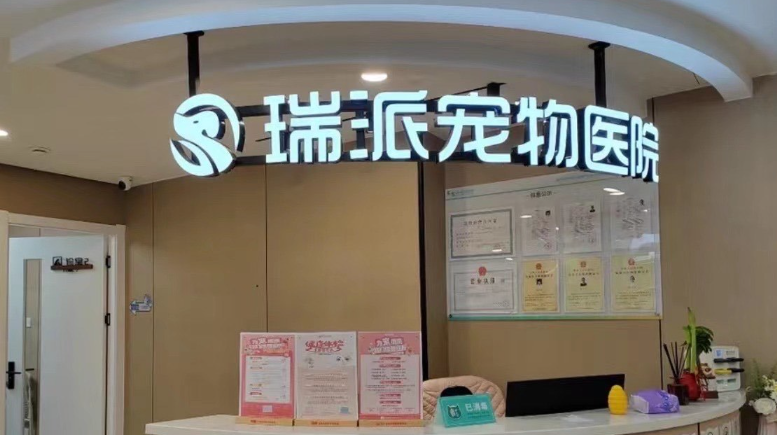
Ruipai Pet Hospital Management Co., Ltd. submitted its prospectus to the Hong Kong Stock Exchange on December 22, 2025, with CICC acting as the exclusive sponsor. It is expected to become the “first stock of China’s pet healthcare industry”[1][2]. If successfully listed, it will fill the gap in the capitalization of domestic pet healthcare chain enterprises and become the first company in this segmented track to land on the capital market.
The company’s development history dates back to 2012, founded by Li Shoujun, chairman of A-share listed company Ruipu Biology, with its headquarters in Tianjin. It is one of the early domestic enterprises to layout a national pet healthcare chain[2]. As of June 30, 2025, the company has 548 operating pet hospitals, covering mainland China and Hong Kong, spread across about 70 cities in 28 provinces, firmly ranking as the second-largest pet healthcare service provider in China[1][3].
Ruipai Pet’s proprietary
- Ruipai Pet typically acquires 60% equityin the process of acquiring hospitals
- The original medical team retains 40% of the shares
- Achieves long-term retention of the core veterinary team through equity binding[1][2][3]
- Builds a three-level medical collaboration system of “City Central Hospital - Regional Central Hospital - Community Hospital”
- Supports a three-level management structure of “Headquarters - Regional Subsidiary - Single Hospital”
- Achieves an organic unity of efficient headquarters control and flexible regional operations[2]
- As of June 30, 2025, among the 548 hospitals:
- Acquired hospitals: 428(accounting for 78%)
- Self-built hospitals: 120(accounting for 22%)
- Among them, hospitals acquired through the VDP model account for 77.5%[1][3]
- Acquired hospitals:

| Dimension | VDP Model (Ruipai) | 100% Acquisition Model (New Ruipeng) |
|---|---|---|
| Integration Difficulty | Low, retains operational autonomy of the original team | High, requires full takeover of management |
| Talent Retention | Equity incentives, long-term binding | High risk of talent loss |
| Goodwill Risk | Low, M&A premium is relatively controllable | High, forms huge goodwill |
| Service Quality | Led by the original team, good service continuity | Service fluctuations may occur during integration |
| Expansion Speed | Fast, low negotiation resistance | Requires more integration time |
| Control Intensity | Relatively weak, regional autonomy-oriented | Strong, unified standardized management |
The pet hospital industry has the characteristic of highly
- Operational Continuity: The original team continues to lead daily operations, and customer trust is maintained
- Psychological Recognition: The team transforms from “being acquired” to “partners”, reducing resistance
- Reduces Negotiation Difficulty: The founding team cashes out part of the equity while retaining a sense of participation, making it easier to reach a deal[1]
The industry faces a severe
- In 2024, the number of licensed veterinarians in China was approximately 100,000-120,000
- Referring to the standards of mature markets (such as the United States), the ideal demand is approximately 350,000
- The gap is as high as 230,000-250,000[4][5]
Against this background, the
- The original team holds equity, forming long-term incentives
- Avoids the common industry problem of “loss of talent upon acquisition”
- Attracts more high-quality veterinary teams to actively seek cooperation
Compared to 100% acquisition which requires bearing all investment risks, the advantages of the VDP model are:
- Relatively low M&A expenditure, easing capital pressure
- Reduces the impact of goodwill impairment on performance
- Shares operational risks with founders, with closer interest binding
- 2024 market size: approximately RMB 11 billion
- 2035 projected market size: approximately RMB 49.4 billion
- Compound Annual Growth Rate (CAGR): approximately 14.7%[1][6]
- Continued growth in pet ownership (over 120 million dogs and cats in 2024)
- Scientific pet-raising concepts, increased willingness to spend on pet healthcare
- The urban (dog and cat) consumer market size exceeds RMB 300 billion, with healthcare accounting for 28%[5]

- Chain rate: 22%
- CR5: 15.4%
- The industry is highly fragmented, dominated by standalone hospitals (accounting for over 84%)[1][6]
| Indicator | Ruipai Pet | New Ruipeng |
|---|---|---|
| Number of Hospitals | 548 | ~1900 |
| Covered Cities | Approximately 70 | >110 |
| Market Share (2024) | 4.8% | Approximately 10% |
| Expansion Model | VDP Model (M&A-oriented) | 100% Acquisition + New Construction |
| Profitability Status (2025H1) | Profit of RMB 15.54 million | Sustained Losses |

| Time Node | Book Value of Goodwill (RMB 100 million) | Proportion of Total Assets | Proportion of Non-Current Assets |
|---|---|---|---|
| End of 2022 | 16.17 | 30.2% | - |
| End of 2023 | 18.44 | 33.1% | - |
| End of 2024 | 17.76 | 33.8% | - |
| End of June 2025 | 17.92 | 34.6% | 68.4% |
The scale of goodwill is equivalent to 1.02 times the full-year revenue in 2024, constituting a major risk factor[1][3]. The prospectus clearly states that if goodwill impairment needs to be provisioned for in the future, it will have an adverse impact on the company’s performance.
- Approximately 40,000 of the licensed veterinarians are pet licensed veterinarians
- The talent gap is approximately 300,000
- Veterinary teaching in universities focuses mainly on economic animals, with a low proportion of pet clinical teaching
- Specialist doctors (cardiology, neurology, oncology) are rare
- The industry has a high personnel turnover rate, with high work intensity and income not matching efforts[4][5]
- Labor Cost: 41%(the largest cost item)
- Procurement Cost: 32%
- Rent Cost: 10%
- Depreciation and Amortization: 10%
- Marketing Cost: 5%
- Others: 2%[6]
The proportion of labor cost is too high, and it is easy to rise but difficult to fall against the background of talent shortage, directly compressing profit margins.
- The pet healthcare consumer group is mainly young and middle-aged
- Some pet owners have limited income and are price-sensitive
- Consumer complaints focus on issues such as “misdiagnosis, opaque charges”
- The price of pet blood routine tests ranges from over RMB 70 to over RMB 150, with a large price difference[5]
The prospectus shows that many of Ruipai’s stores have illegal operations:
- In June 2025, Wuqing Branch of Tianjin Ruipai Anxin Pet Hospital was fined RMB 15,000 for using counterfeit and inferior veterinary drugs
- In June 2025, Jinan Ren Nuo Pet Hospital was fined RMB 20,000 for using testing reagents without approval numbers
- In September 2025, Hangzhou Ruipai Hongtai Huandong Pet Hospital was fined RMB 10,000 for violating the “Regulations on the Administration of Veterinary Drugs”[1]
- There are over 100 related complaints on the Black Cat Complaint Platform
| Indicator | 2022 | 2023 | 2024 | 2025H1 |
|---|---|---|---|---|
| Operating Revenue (RMB 100 million) | 14.55 | 15.85 | 17.58 | 9.43 |
| Gross Profit Margin | 22.4% | 21.0% | 22.2% | 24.8% |
| Net Profit (RMB 100 million) | -0.62 | -2.51 | -0.07 | 0.16 |
| Net Profit Margin | -4.3% | -15.9% | -3.3% | 1.6% |
- In 2024, transferred the equity of Zhongrui Supply Chain, a supply chain business platform, to related party Ruipu Biology
- Concentrates resources on core healthcare services
- Releases capital and management resources[3]
- The overall gross profit margin increased from 21.0% in 2023 to 24.8% in the first half of 2025
- The gross profit margin of grooming services increased from 12.1% in 2022 to 39.0%
- Supply chain optimization brings procurement cost advantages (15%-20% lower than standalone hospitals)[1][3]
- Sales and marketing expenses, general and administrative expenses totaled approximately RMB 289 million in 2024
- The expense ratio is approximately 16.4%, which is within a controllable range
Although it turned from loss to profit in the first half of 2025, its sustainability is still in doubt:
- Net profit in the first half of 2025 was only RMB 15.54 million
- The net profit margin is 1.6%, which is at an extremely low level
- Cumulative losses from 2022 to 2024 reached RMB 372 million
- 38 hospitals were closed in 2024, far exceeding the 23 new hospitals added in the same period
- Reflects the problem of insufficient operational efficiency in some acquired hospitals[1]
- Sales expenses are used for marketing personnel salaries, advertising promotion, and referral fees
- Administrative expenses are mainly for administrative personnel salaries
- The pressure of rising labor costs continues
- Industry Integration Dividend: The chain rate is only 22%, far lower than mature markets (approximately 30-40% in the United States), leaving large room for M&A integration
- Talent Scarcity Dividend: The shortage of veterinary talents will continue, strengthening the talent binding advantage of the VDP model
- Capital Support: Endorsed by well-known institutions such as Mars China (holding 23.33% equity), Goldman Sachs, and Yuexiu Capital
- First-Mover Advantage: As the pioneer of the VDP model, it has accumulated rich integration experience and management systems
- Goodwill Impairment Risk: If integration fails for the RMB 1.792 billion goodwill, it will erode profits in one go
- Brand Dilution Risk: The “franchise-style direct operation” under the VDP model may lead to insufficient brand unity
- Control Challenges: It is difficult for the headquarters to truly unify service quality and charging standards
- Compliance Risks: Stores in multiple regions have been fined, exposing loopholes in the control system
- Develop high-margin specialties such as orthopedics, ophthalmology, oncology, and cardiology
- The proportion of diagnosis and treatment services in the revenue structure has reached 91.3%, and the proportion of specialties needs to be further increased
- Reference: The gross profit margin of specialized healthcare services is significantly higher than that of basic diagnosis and treatment
- Form scale effects in core markets to reduce marginal costs
- Increase the proportion of city central hospitals and regional central hospitals (2025H1: 43.9% + 31.5% = 75.4%)
- Optimize the collaboration efficiency of the “three-level diagnosis and treatment system”
- Introduce technical means such as AI-assisted diagnosis and telemedicine
- Improve the productivity of individual veterinarians to alleviate the pressure of talent shortage
- Reduce dependence on scarce veterinary talents
- Second- and third-tier cities and county-level markets have huge potential
- The number of pet owners is increasing, but the supply of healthcare resources is insufficient
- Achieve rapid penetration with an asset-light model (the VDP model is more suitable)
| Indicator | Current Level | Target Level | Time Window |
|---|---|---|---|
| Net Profit Margin | 1.6% | Above 5% | 2-3 years |
| Gross Profit Margin | 24.8% | Above 30% | 3-5 years |
| Goodwill/Total Assets | 34.6% | <25% | Continuous Optimization |
| Single Hospital Revenue per Unit Area | RMB 3.285 million/year | Above RMB 4 million/year | 3 years |
| Customer Repurchase Rate | Industry Average | Increase by 20% | 2 years |
| Risk Type | Risk Description | Risk Level | Response Measures |
|---|---|---|---|
| Goodwill Impairment | The RMB 1.792 billion goodwill may need impairment provision | High |
Optimize integration to improve the performance of acquired hospitals |
| Talent Shortage | A gap of 250,000 licensed veterinarians | High |
Equity binding through the VDP model, enhance salary competitiveness |
| Intensified Competition | Pressure from competitors such as New Ruipeng | Medium-High |
Differentiated positioning, deepen regional markets |
| Compliance Risks | Frequent fines for store violations | Medium-High |
Strengthen the construction of compliance systems |
| Fragile Profitability | Just turned profitable, with a net profit margin of only 1.6% | Medium |
Improve operational efficiency, expand high-margin businesses |
| Capital Pressure | Asset-liability ratio of 65% | Medium |
Optimize capital structure through IPO financing |
- The VDP model reduces integration resistance and effectively binds talents
- The only profitable large-scale chain pet healthcare group in 2025H1
- Endorsed by international capitals such as Mars China, with obvious supply chain advantages
- Perfect three-level diagnosis and treatment system, mature management structure
- High goodwill (RMB 1.792 billion) risk looms
- Relatively weak brand unity, national synergy needs to be improved
- Scale is smaller than industry leader New Ruipeng
- Challenges exist in store compliance control
- Market size will reach RMB 49.4 billion in 2035, with a CAGR of 14.7%
- Low industry concentration (CR5 is only 15.4%), large integration space
- Clear trend of increasing chain rate
- Opportunities for domestic substitution, upstream costs are expected to decrease
- Severe shortage of veterinary talents, restricting expansion speed
- Competitive pressure from industry leaders such as New Ruipeng
- Limited income of pet owners, restricting the increase of customer unit price
- Increasingly strict regulation, rising compliance costs
- Goodwill Management: Whether it can reduce impairment risks by improving the performance of acquired hospitals
- Compliance Control: Whether it can establish an effective quality control system
- Brand Building: How to strike a balance between regional autonomy and brand unity
- The current profitability is extremely fragile and vulnerable to multiple factors
- Large-scale profitability requires breaking through three pressures: labor costs, integration costs, and compliance costs
- It is expected to take 2-3 years to form stable and sustainable profitability
As the target of the “first stock of China’s pet healthcare industry”, Ruipai Pet has certain scarcity, but investors need to note:
- High goodwill risk may affect short-term performance
- Industry characteristics determine that profit improvement will be a gradual process
- It is recommended to pay attention to the use of funds raised after listing and the integration effect
[1] Eastmoney - “3-Year Loss of RMB 370 Million, Nearly RMB 1.8 Billion Goodwill Looms, Ruipai Pet Pursues HK IPO Amid Constraints” (https://finance.eastmoney.com/a/202601043607919572.html)
[2] The Paper - “Ruipai Pursues Hong Kong Stock Exchange Listing: Is China’s First Pet Hospital Stock Coming?” (https://m.thepaper.cn/newsDetail_forward_32256668)
[3] Sina Finance - “Watching New IPOs: Ruipai Pet’s HK IPO: A Leading Pet Healthcare Enterprise” (https://finance.sina.com.cn/tech/roll/2025-12-29/doc-inhemqav0371392.shtml)
[4] Xinhua News - “Supply-Demand Imbalance, Inconsistent Standards, Lagging Supervision: Pet Healthcare Market Urgently Needs Standardization” (http://www.news.cn/20251028/e8d4f390f85f457fa333b041ac15b1fb/c.html)
[5] Jias Consulting - “2025 China Pet Healthcare Industry Status Report” (https://pdf.dfcfw.com/pdf/H3_AP202507201712315026_1.pdf)
[6] iResearch Consulting - “2024 China Pet Industry Research Report” (https://pdf.dfcfw.com/pdf/H3_AP202411071640772478_1.pdf)
[7] DoNews - “Beyond Barriers, Under Risks: Ruipai’s Capitalization Gamble” (https://www.donews.com/article/detail/8260/95005.html)
[8] OFweek - “‘Mars System’ Pet Hospital is Going Public! Pet Healthcare is Expensive, Why Isn’t Ruipai Pet Hospital Making Money?” (https://mp.ofweek.com/medical/a156714599577)
[9] 21st Century Business Herald - “Ruipai Pet Hospital Submits Prospectus to Hong Kong Stock Exchange, Sprinting to Become ‘China’s First Pet Hospital Stock’” (https://www.21jingji.com/article/20251229/herald/9b5353256ab7675400979a93dec19fc3.html)
[10] Tencent News - “IPO Supported by ‘Furry Kids’: Ruipai Pet Competes for ‘China’s First Pet Healthcare Stock’” (https://news.qq.com/rain/a/20251231A06U8800)
Insights are generated using AI models and historical data for informational purposes only. They do not constitute investment advice or recommendations. Past performance is not indicative of future results.
About us: Ginlix AI is the AI Investment Copilot powered by real data, bridging advanced AI with professional financial databases to provide verifiable, truth-based answers. Please use the chat box below to ask any financial question.