
Geopolitical Risk Alert: Market Volatility Warning Amid U.S. NATO Tensions and Venezuela Crisis
Unlock More Features
Login to access AI-powered analysis, deep research reports and more advanced features
About us: Ginlix AI is the AI Investment Copilot powered by real data, bridging advanced AI with professional financial databases to provide verifiable, truth-based answers. Please use the chat box below to ask any financial question.
Related Stocks
The January 7, 2026 CNBC appearance by Victoria Greene and Kevin Gordon represents a critical moment of institutional concern regarding the convergence of multiple geopolitical flashpoints that have emerged in the first week of the new year [1]. This analysis synthesizes their market commentary with broader geopolitical developments to provide comprehensive context for understanding the elevated risk environment facing investors.
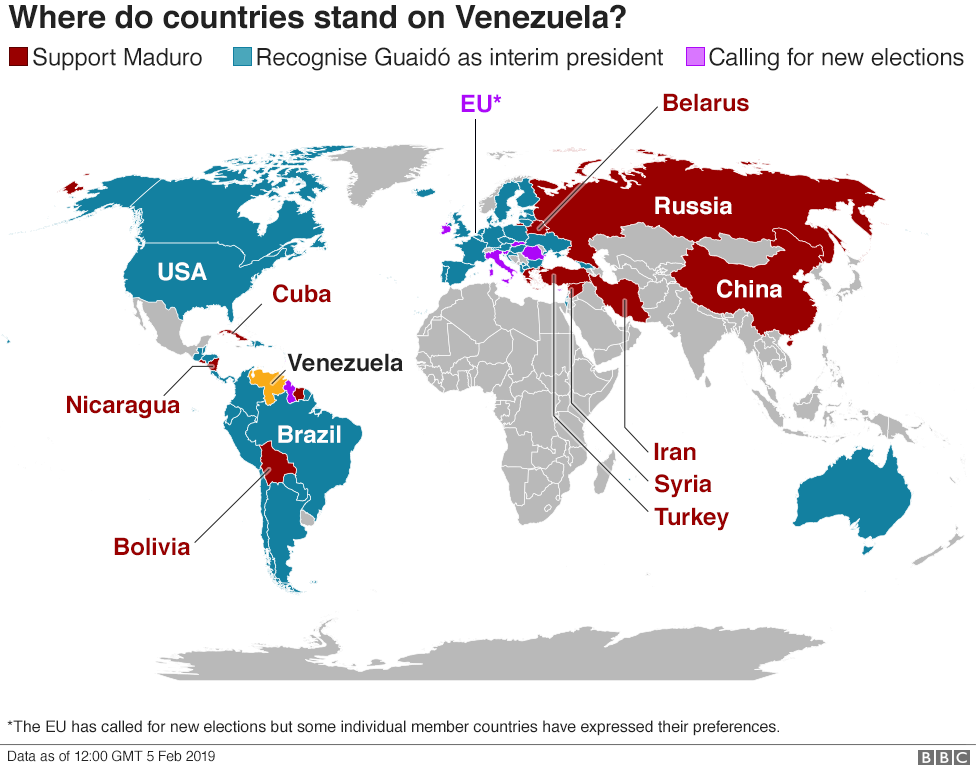
The most significant development occurred on January 3, 2026, when U.S. forces captured Venezuelan President Nicolás Maduro, an action that represents an unprecedented escalation in U.S.-Latin American relations and has triggered what Reuters described as “geopolitical whiplash” for investors [2][3]. This event was followed rapidly by Trump’s explicit interest in acquiring Greenland, threats toward Colombia and Cuba, and rhetoric characterizing Cuba’s communist regime as “ready to fall” [2][4]. The cumulative effect of these developments has created what one analyst described as “semi-permanent lack of certainty for investors in North America” [11].
Market data from January 7, 2026 reveals the sector rotation dynamics that these geopolitical developments have triggered [0]. The Healthcare sector (+1.78%) and Consumer Cyclical sector (+0.62%) attracted defensive positioning, while Utilities (-3.32%), Energy (-2.64%), and Real Estate (-1.87%) experienced significant pressure [0]. The Energy sector’s decline is particularly noteworthy because it represents investor expectations that U.S. control of Venezuela could unlock access to the country’s substantial oil reserves, potentially increasing global supply and weighing on prices over the medium term [3][5].
The CBOE Volatility Index (VIX) stood at approximately 14.75 on January 7, having declined 1% during the session [6]. However, this relatively subdued volatility level masks growing concerns among institutional investors. The January VIX held above the 16 level earlier in the trading session, suggesting that while investor complacency may be creeping in, options market participants remain alert to potential escalation risks [7]. Historical analysis from UBS indicates that the S&P 500 has averaged only a 0.3% decline one week after major geopolitical events, with a 7.7% gain 12 months later [5]. However, the current situation differs qualitatively from historical precedents due to the unprecedented nature of tensions between the U.S. and its NATO allies.
The Greenland situation represents a qualitatively different risk category than the Venezuela developments, according to Eurasia Group’s Mujtaba Rahman. As reported by CNBC, Rahman stated that “a possible US intervention in Greenland is now the biggest source of risk to the transatlantic alliance and intra-NATO and intra-EU cohesion, arguably far greater than those presented by Russia’s invasion of Ukraine” [8]. This assessment carries significant implications for defense contractors, European equity valuations, and currency relationships, as the fundamental architecture of the Western alliance faces unprecedented stress.
The Danish government’s response indicates the seriousness of the situation. According to multiple reports, Denmark is in “full crisis mode” over U.S. intentions toward Greenland [8]. European leaders from Denmark, France, Germany, the UK, Italy, Spain, and Poland issued a joint statement declaring “Greenland belongs to its people” [10], demonstrating unprecedented coordination in response to a perceived threat from the United States. This collective European response signals potential economic countermeasures that could affect transatlantic trade and investment flows.
Market resilience to the Venezuela event initially appeared to validate a “buy the dip” approach to geopolitical risks. U.S. stocks actually rose on January 5, 2026, with the Dow Jones gaining 343 points (+0.7%), the S&P 500 advancing 0.6%, and the Nasdaq Composite climbing 0.8% [5]. Energy stocks rallied significantly, with Chevron (CVX) gaining 7% and Exxon Mobil (XOM) advancing 4% as investors anticipated potential access to Venezuela’s oil reserves [5]. However, analysts caution against extrapolating this resilience to the Greenland situation, with Rahman emphasizing that “the Greenland risk is underpriced” by current market expectations [8].
The Federal Reserve’s policy trajectory adds another layer of complexity to the geopolitical risk assessment. Recent U.S. services data has “clouded the Fed rate cut story,” according to Seeking Alpha analysis [12], creating uncertainty about monetary policy support for markets during a period of elevated geopolitical risk. The interplay between geopolitical developments and monetary policy requires careful monitoring, as reduced rate cut expectations could compound the impact of geopolitical shocks on equity valuations.
The convergence of multiple geopolitical flashpoints creates several distinct risk categories that warrant investor attention. First, the structural risk to NATO cohesion represents a paradigm shift in global alliance relationships that could affect defense spending patterns, European equity valuations, and currency dynamics over an extended period [8][9][10]. Second, the potential for the “Venezuela playbook” to be replicated in other regions creates ongoing uncertainty throughout 2026, as investors must constantly reassess the probability of similar actions in Colombia, Cuba, or other regions subject to U.S. rhetoric [11]. Third, the ambiguity regarding whether Trump’s rhetoric represents negotiation tactics or genuine intent complicates risk assessment and may contribute to volatility as market participants attempt to divine policy direction [5].
Energy market dynamics present both risks and opportunities. The potential for increased supply from Venezuelan oil reserves could reshape energy market dynamics over the medium term, potentially benefiting companies with exposure to Latin American operations while weighing on domestic producers [3][5]. The 2.64% decline in the Energy sector on January 7, 2026, reflects market expectations of supply increases, but the timeline for production ramp-up and investment remains uncertain [0].
Defensive sector positioning appears warranted given elevated uncertainty. The 1.78% gain in Healthcare and 0.62% gain in Consumer Cyclical sectors reflect investor flight to defensive positioning [0]. Defense stocks—including Lockheed Martin (LMT), Northrop Grumman (NOC), and Raytheon (RTX)—merit monitoring as potential beneficiaries of increased defense spending, though the NATO tension dynamic creates ambiguity about demand trajectories.
For investors seeking hedges against geopolitical risk, several indicators warrant monitoring. VIX levels above 18-20 could signal increased hedging activity and elevated short-term risk [0]. European response statements and potential economic countermeasures could affect transatlantic trade relationships. Gold and U.S. dollar movements serve as indicators of broader risk appetite and safe-haven demand.
This analysis is based on the CNBC “Closing Bell Overtime” interview [1] published on January 7, 2026, featuring Victoria Greene of G Squared Private Wealth and Kevin Gordon of Charles Schwab Senior Investment Strategist. The interview occurred amid extraordinary geopolitical developments, including the January 3 capture of Venezuelan President Maduro, Trump’s Greenland campaign, and associated tensions with NATO allies.
Market indicators from January 7, 2026, show the S&P 500 at 6,920.92 (-0.35%), the NASDAQ at 23,584.27 (+0.17%), and the Dow Jones at 48,996.09 (-1.04%) [0]. The divergence between indices reflects sector rotation dynamics, with defensive sectors outperforming while interest-rate-sensitive sectors and energy experienced pressure. The VIX at 14.75 indicates elevated but not extreme volatility, though this level may not adequately price in the unique risks associated with U.S.-NATO tensions [6][7].
Key monitoring priorities include VIX levels for signs of escalating hedging activity, European diplomatic responses for indications of potential economic countermeasures, energy sector sentiment as a proxy for supply expectations, safe-haven flows in gold and the U.S. dollar, and defense stock performance as an indicator of perceived defense spending trajectories.
The fundamental conclusion from institutional analysts is that current market pricing may not adequately reflect the unique risks associated with potential U.S. actions toward Greenland and the resulting impact on NATO cohesion. Investors should maintain heightened vigilance and consider hedging strategies appropriate to their risk tolerance and investment horizon.
Insights are generated using AI models and historical data for informational purposes only. They do not constitute investment advice or recommendations. Past performance is not indicative of future results.
About us: Ginlix AI is the AI Investment Copilot powered by real data, bridging advanced AI with professional financial databases to provide verifiable, truth-based answers. Please use the chat box below to ask any financial question.