
In-Depth Analysis of the Impact of the "Supervision and Administration Measures for Live-Stream E-Commerce" on Platform Investment Value and Business Models
Unlock More Features
Login to access AI-powered analysis, deep research reports and more advanced features
About us: Ginlix AI is the AI Investment Copilot powered by real data, bridging advanced AI with professional financial databases to provide verifiable, truth-based answers. Please use the chat box below to ask any financial question.
Related Stocks
Now, based on all collected data, I will provide you with a detailed analysis report.
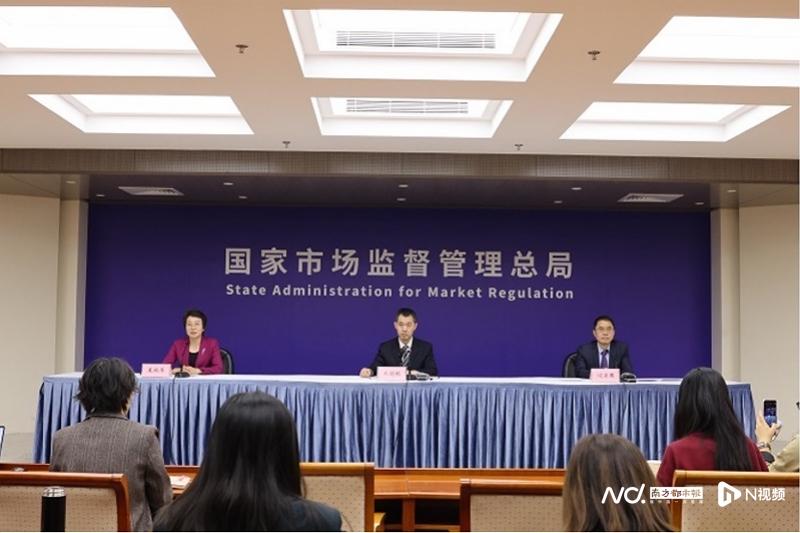
The “Supervision and Administration Measures for Live-Stream E-Commerce” was formulated by the State Administration for Market Regulation in conjunction with the Cyberspace Administration of China. All review procedures have been completed, and it will be officially introduced in the near future [1][2]. This is China’s first systematic regulatory regulation specifically targeting the live-stream e-commerce industry, ending the long-standing regulatory status of ‘referential application’ of other e-commerce regulations [3].
According to data released by the State Administration for Market Regulation, the live-stream e-commerce industry has experienced explosive growth over the past five years, with annual transaction volume rising from less than 1 trillion yuan to nearly 5 trillion yuan [1]. However, along with the rapid development of the industry, chaos such as false marketing and counterfeit and shoddy products have gradually emerged, causing strong public concern. In 2024, the State Administration for Market Regulation took the lead in investigating and handling 36,000 online-related cases including live-stream e-commerce [1], among which false publicity cases involving top streamers such as ‘Three Sheep’ and ‘Sister Yujie from Northeast China’ attracted widespread attention [4][5].
The “Measures” consists of 57 articles, divided into seven chapters to regulate four types of entities [6]:
| Entity Type | Core Responsibilities |
|---|---|
Live-Stream E-Commerce Platform Operators |
Qualification verification, hierarchical management, advance compensation, data security, violation handling |
Live Room Operators |
Commodity information verification, information disclosure, identity verification, prohibition of false publicity |
Live Marketing Personnel Service Institutions (MCN) |
Streamer management, product selection system, training mechanism, live broadcast error correction |
Live Marketing Personnel |
Accurate and truthful introduction of commodities, no deception or misleading of consumers |
The new regulation systematically stipulates responsibilities and obligations from pre-event, in-event, and post-event dimensions, defines red lines for conduct, and improves the supervision mechanism [7].
Kuaishou, as an important player in the live-stream e-commerce industry, its business data clearly shows the platform’s development trend:
- Total Revenue: 35.6 billion yuan, a year-on-year increase of 14.2%
- E-Commerce GMV: 385 billion yuan, a year-on-year increase of 15.2%
- Online Marketing Service Revenue: 20.1 billion yuan, a year-on-year increase of 14%
- Operating Profit: 5.3 billion yuan, a year-on-year increase of 70.9%
- Monthly Active Users (MAUs): 731.1 million, a year-on-year increase of 2.4%
- Daily Active Users (DAUs): 416.2 million, a year-on-year increase of 2.1%
Kuaishou’s e-commerce business shows a sustained growth trend, with the pan-shelf GMV accounting for approximately 30%, and the number of daily active merchants in the mall domain increased by over 40% year-on-year [8]. From the perspective of revenue structure, online marketing services account for 56.5%, live broadcast business accounts for 26.9%, and other services (including e-commerce) account for 16.6% [8].
According to industry analysis, the impact of compliance costs varies significantly among platforms of different sizes:
- Leading Platforms (Douyin/Kuaishou/Taobao):The proportion of compliance costs in revenue will increase by about 5%, but the impact is controllable due to scale effects and resource investment capabilities
- Medium-Sized Platforms (Xiaohongshu/WeChat Channels):The proportion of compliance costs in revenue will increase by about 15%, facing greater pressure
- Small Vertical Platforms:The proportion of compliance costs in revenue will increase by about 35%, which may lead to operational difficulties or market exit [9]
As a leading platform, Kuaishou’s technical review capabilities and financial strength enable it to better meet the requirements of the new regulation. The platform has established a relatively sound merchant verification mechanism and content monitoring system. The introduction of the new regulation will prompt it to further upgrade its compliance system, but it will not fundamentally change its competitive advantages.
Alibaba’s live-stream e-commerce business is mainly carried out through Taobao Live under the Taotian Group.
- Taotian Group Revenue: 449.8 billion yuan, accounting for 45% of Alibaba’s total revenue
- Taotian Group Adjusted EBITA: 196.2 billion yuan, accounting for 113% of the group’s profit (supporting other businesses)
However, Taotian Group faces the challenge of continuous market share decline:
- 2021 Market Share: 51.3%
- 2023 Market Share: 39.2%
- 2024 Estimated: 37.3%
- 2025 Estimated: 36.2% [11]
Competition in the live-stream e-commerce field is particularly fierce. Douyin E-Commerce’s market share has rapidly increased from 4.6% in 2021 to an estimated 14.9% in 2024 [11], forming significant diversion pressure on Taotian Group.
- Compliance Cost Pressure:Taobao Live needs to establish a stricter merchant qualification verification system, streamer training mechanism, and commodity quality control system, which will increase operating costs
- Short-Term Growing Pains:Some non-compliant small and medium-sized merchants and streamers may leave, affecting the platform’s GMV and commission income
- Long-Term Benefits:Industry standardization is conducive to purifying the market environment, enhancing consumer trust, and benefiting platforms that operate in compliance
- Reshaping of Competition Pattern:The new regulation will raise the industry access threshold, which is conducive to leading platforms with sound compliance systems consolidating their positions

According to market scale data, China’s live-stream e-commerce transaction scale has grown from 0.42 trillion yuan in 2019 to an estimated 5.6 trillion yuan in 2025 [12], with a compound annual growth rate of 37%. The platform market share distribution shows that Douyin accounts for 40%, Kuaishou accounts for 26%, Taobao accounts for 22%, and other platforms account for 12% [13].
| Dimension of Change | Trend Judgment |
|---|---|
Market Share |
The share of leading platforms is expected to stabilize, and small and medium-sized platforms will be cleared out at an accelerated pace |
Business Model |
Shift from ‘traffic-oriented’ to ‘responsibility-oriented’, with compliance capability becoming the core competitiveness |
Profit Model |
Growth of technical service fees will slow down, and quality verification and value-added services will become new growth points |
Industry Concentration |
The Matthew effect will intensify, and the advantages of leading platforms will be further consolidated |
According to the requirements of the “Measures” and industry practices, the compliance costs of live-stream e-commerce platforms mainly include the following aspects:
| Cost Type | Specific Content | Estimated Proportion of Revenue |
|---|---|---|
Qualification Verification Cost |
Merchant qualification verification, streamer identity authentication, commodity quality testing | 1.5%-2.5% |
Content Review Cost |
AI review system development, manual review team, live broadcast replay storage | 1%-2% |
Data Submission Cost |
Regulatory data system docking, regular report preparation | 0.5%-1% |
Consumer Protection Cost |
Advance compensation fund, complaint handling system, after-sales service system | 1%-2% |
Training Management Cost |
Streamer training courses, merchant compliance guidance, MCN institution management | 0.5%-1% |
MCN institutions are key intermediaries in the live-stream e-commerce industrial chain, and the new regulation has a particularly significant impact on them:
- The number of MCN institutions exceeded 21,000 in 2020, but more than 90% have annual revenue of less than 10 million yuan [14]
- The Matthew effect in the industry is obvious, with leading institutions occupying the main market share
- The new regulation requires MCN institutions to bear responsibilities for product selection, training, and live broadcast error correction, significantly increasing operating costs
- It is expected that a large number of small and medium-sized MCN institutions will be forced to exit the market, and industry concentration will further increase
- Merchants need to provide more complete qualification certificates and commodity inspection reports
- The legal risk of false publicity has increased significantly
- Some small and medium-sized merchants may exit the live-stream e-commerce track due to inability to meet compliance requirements
- Brand merchants and high-quality supply chain merchants will gain competitive advantages
- Streamers need to undergo real-name authentication and professional ability training
- The penalty for false publicity and misleading consumers has been increased
- Tax compliance requirements for streamers have become stricter (the ‘Provisions on Tax-Related Information Submission by Internet Platform Enterprises’ was introduced in 2025) [15]
- Dependence on top streamers will decrease, and brand self-broadcasting will become a new trend
The new regulation will promote the transformation of the live-stream e-commerce industry’s business model in the following aspects:
| Transformation Dimension | Traditional Model | Model Under the New Regulation |
|---|---|---|
Traffic Acquisition |
Pursue GMV and transaction volume | Emphasize user experience and repurchase rate |
Commodity Strategy |
Focus on price competition | Prioritize quality and brand |
Streamer Operation |
Rely on top streamers | Develop streamer matrices and brand self-broadcasting |
Compliance Management |
Passive complaint handling | Active risk prevention |
Technology Investment |
Focus on algorithm recommendation | Equal emphasis on algorithms and review |
- Rising compliance costs compress profit margins
- Loss of some non-compliant merchants and streamers slows down GMV growth
- Regulatory uncertainty may trigger market sentiment fluctuations
- Industry standardization enhances consumer trust, which is conducive to the expansion of the overall market
- Clearance of small and medium-sized platforms is expected to increase the market share of leading platforms
- The industry has shifted from ‘barbaric growth’ to ‘meticulous cultivation’, which is conducive to sustainable development
- High-quality content and compliant operations will become core competitive barriers
| Company | Investment Rating | Core Logic | Risk Warning |
|---|---|---|---|
Kuaishou (1024.HK) |
Watch |
E-commerce GMV continues to grow, pan-shelf e-commerce develops smoothly, AI technology improves operational efficiency, and valuation is attractive (P/E 15.82x) [8] | Live broadcast revenue growth slows down, compliance costs rise |
Alibaba (9988.HK) |
Cautious |
Taotian Group still contributes the main profit, 380 billion yuan invested in AI for future layout, and international business grows strongly [10] | Market share continues to decline, growth lags behind Pinduoduo and Tencent, Taotian Group is under pressure |
Douyin (ByteDance, unlisted) |
Not Rated |
Ranked first in live-stream e-commerce market share, leading algorithm technology, rich content ecosystem | Increasing regulatory pressure, unclear listing timetable |
- Leading Platforms:Have technical and financial advantages, and can better adapt to regulatory requirements
- Compliance Service Providers:Fields such as electronic signing, qualification verification, and data compliance benefit from regulatory upgrades
- High-Quality Supply Chain Enterprises:Brand merchants and supply chain service providers that operate in compliance
- E-Commerce SaaS Service Providers:Provide compliance management tools and solutions
- MCN institutions relying on top streamers (high compliance risks)
- Small and medium-sized live-stream e-commerce platforms (unable to absorb compliance costs)
- Problematic companies with a history of false publicity
- Necessity of the New Regulatory Rules:The scale of the live-stream e-commerce industry has reached 5 trillion yuan, with widespread chaos. The introduction of the new regulatory rules is an inevitable requirement for the healthy development of the industry
- Differentiated Impact of Compliance Costs:Leading platforms have scale effects and resource investment capabilities, so the impact of compliance costs is controllable; small and medium-sized platforms face survival pressure, and industry concentration will further increase
- Reshaping of Competition Pattern:The new regulation will push the industry to shift from ‘traffic competition’ to ‘compliance competition’, and leading platforms with sound compliance systems will gain competitive advantages
- Structural Changes in Investment Value:Short-term negative factors do not change long-term benefits. Industry standardization is conducive to enhancing consumer trust and market capacity, and the investment value of high-quality platforms will be strengthened in compliance competition
According to the forecast of the China Commerce Industry Research Institute, China’s live-stream e-commerce transaction scale will reach 5.6 trillion yuan in 2025 [12], and is expected to grow further in 2026. With the official introduction and implementation of the new regulatory rules, the live-stream e-commerce industry will show the following development trends:
- Normalized Supervision:Regulatory authorities will further strengthen systematic supervision, cross-regional supervision, and penetrating supervision [2]
- Technology-Enabled Compliance:Technologies such as AI review and blockchain traceability will be widely used in compliance management
- Strengthened Industry Self-Discipline:Industry associations and platforms will establish more sound self-discipline mechanisms
- International Expansion:With the maturity of the domestic regulatory system, live-stream e-commerce is expected to accelerate its overseas layout
Overall, the introduction of the “Supervision and Administration Measures for Live-Stream E-Commerce” marks the entry of the industry into a new stage of standardized development. For investors, they should focus on leading platforms with compliance capabilities and technological advantages, carefully evaluate the investment risks of small and medium-sized platforms and MCN institutions, and seize investment opportunities brought by structural changes in the industry.
[1] Economic Observer Network - ‘State Administration for Market Regulation Holds Special Press Conference on Live-Stream E-Commerce Supervision’ (https://www.hejianhemei.com/zhengcefagui/2807.html)
[2] Xinhua News Agency - ‘New Regulatory Rules for Live-Stream E-Commerce to Be Introduced’ (http://www.news.cn/20251128/ee98824283334720b11cba7d1703dd33/c.html)
[3] Jingtian & Gongcheng Law Firm - ‘The “Supervision and Administration Measures for Live-Stream E-Commerce” Will Usher in a New Stage of Comprehensive Governance for Live-Stream E-Commerce’ (https://www.allbrightlaw.com/CN/10475/987c69dd7ebd24bc.aspx)
[4] Eastmoney - ‘Three Sheep and Sister Yujie from Northeast China Listed as Typical Cases of Live-Stream Chaos’ (https://finance.eastmoney.com/a/202508253493944787.html)
[5] Sina Finance - ‘Sister Yujie from Northeast China Named Again’ (https://news.sina.cn/gn/2025-12-01/detail-infzhxyf2036447.d.html)
[6] Baidu Encyclopedia - ‘Supervision and Administration Measures for Live-Stream E-Commerce’ (https://baike.baidu.com/item/直播电商监督管理办法/65585980)
[7] Central Civil Work Department of China - ‘New Regulatory Rules for Live-Stream E-Commerce to Seek Public Comments’ (https://www.zyshgzb.gov.cn/n1/2025/0428/c460404-40469798.html)
[8] Kuaishou Technology Investor Relations - ‘2025 Q3 Unaudited Financial Results’ (https://ir.kuaishou.com/zh-hans/news-releases/news-release-details/kuaishoukejifabu2025niandisanjiduweijingshenhecaiwuyeji)
[9] Gelonghui - ‘2025-2031 China MCN Market Survey, Industry Research, In-Depth Analysis Report’ (https://www.gelonghui.com/p/1469671)
[10] Securities Times - ‘380 Billion Yuan Bet on AI, Alibaba’s Growth Lags Behind’ (https://www.stcn.com/article/detail/1937329.html)
[11] China Merchants Securities - ‘User First, Restart Growth’ In-Depth Report on Alibaba (https://pdf.dfcfw.com/pdf/H3_AP202407301638458587_1.pdf)
[12] China Commerce Industry Research Institute - ‘2025 China Live-Stream E-Commerce Transaction Scale and Industry Development Prospect Forecast Analysis’ (https://cj.sina.cn/articles/view/7962326780/1da9776fc001016a2i)
[13] 21st Century Business Herald - ‘Market Share Distribution of Live-Stream E-Commerce Platforms’ (https://32066288.s21i.faiusr.com/2/ABUIABACGAAgqsHgsgYomrf_7gQw_gY4qgQ)
[14] Tianfeng Securities - ‘Live-Stream E-Commerce Industry: The Wind is Blowing Strongly, Where Will It Go in the Future’ (https://pdf.dfcfw.com/pdf/H3_AP202109161516581932_1.pdf)
[15] CNKI - ‘Business Model Vulnerabilities and Platform Governance Paths for Compliance of E-Commerce Live Streamers’ Income’ (https://pdf.hanspub.org/ecl_2316938.pdf)
Insights are generated using AI models and historical data for informational purposes only. They do not constitute investment advice or recommendations. Past performance is not indicative of future results.
About us: Ginlix AI is the AI Investment Copilot powered by real data, bridging advanced AI with professional financial databases to provide verifiable, truth-based answers. Please use the chat box below to ask any financial question.