
CFPB Plans to Narrow Civil Rights Era Fair Lending Regulations Under Trump Administration
Unlock More Features
Login to access AI-powered analysis, deep research reports and more advanced features
About us: Ginlix AI is the AI Investment Copilot powered by real data, bridging advanced AI with professional financial databases to provide verifiable, truth-based answers. Please use the chat box below to ask any financial question.
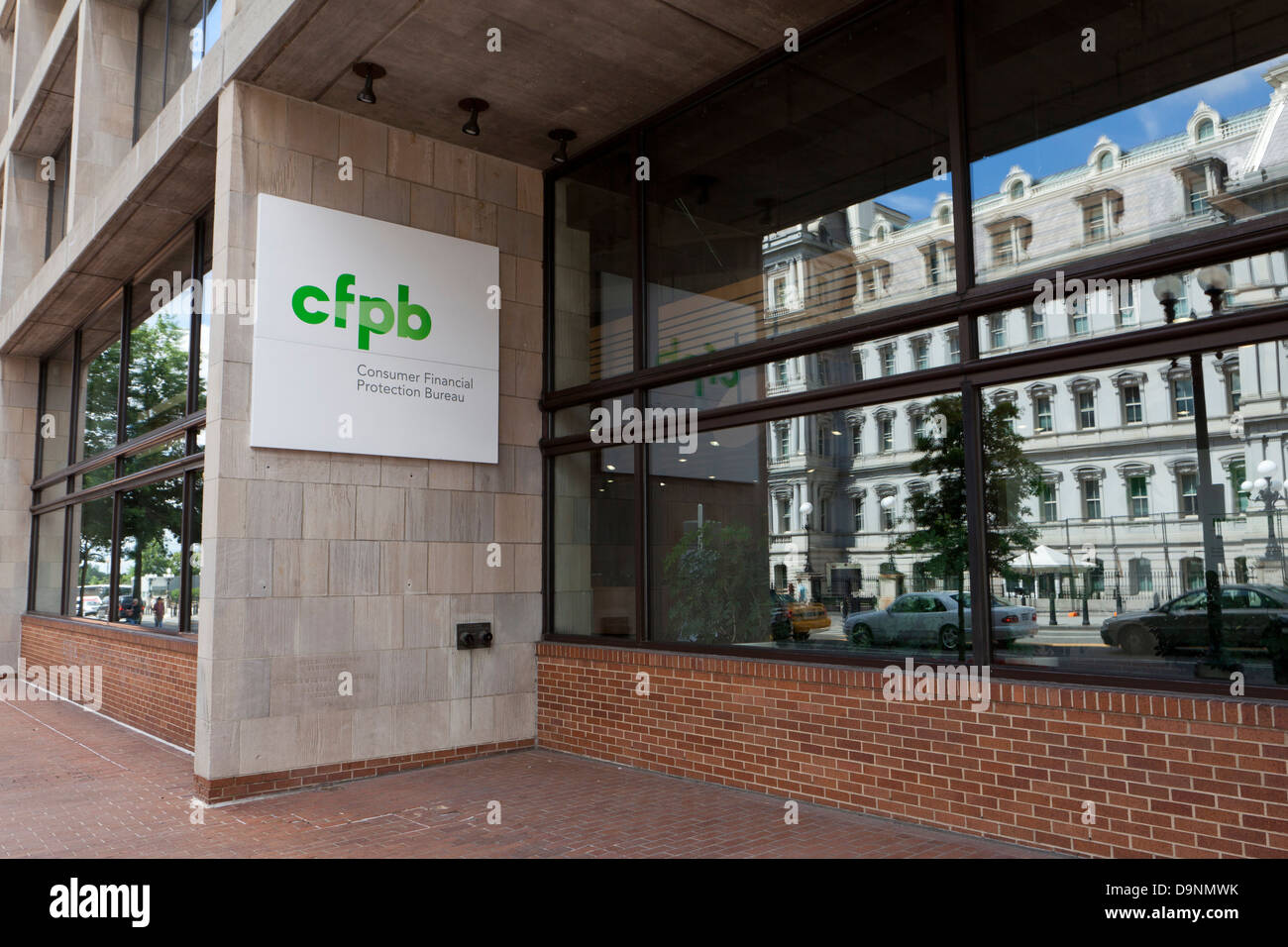
This analysis is based on the Reuters report [1] published on November 11, 2025, which revealed that the U.S. Consumer Financial Protection Bureau (CFPB) plans to propose changes narrowing a key part of civil-rights era fair-lending regulations. This regulatory shift represents a fundamental change in federal fair lending enforcement approach, moving away from decades of established practice under President Donald Trump’s administration.
The proposed changes will primarily target the Equal Credit Opportunity Act (ECOA) of 1974, de-emphasizing “disparate impact” liability requirements and limiting Special Purpose Credit Programs (SPCPs) [1]. This transformation follows Trump’s April 2025 executive order “Restoring Equality of Opportunity and Meritocracy,” which directs federal agencies to curtail regulations prohibiting policies with unintentionally discriminatory impacts [1][2].
The CFPB’s proposed changes align with a coordinated multi-agency approach under the Trump administration. The Federal Trade Commission has already amended complaints to remove disparate impact claims, and the FDIC removed disparate impact theory from its Consumer Compliance Examination Manual effective August 29, 2025 [1][3]. This systematic rollback represents the most significant shift in fair lending enforcement since the civil rights era.
The regulatory changes will primarily affect two critical areas:
- Disparate Impact Liability: Reducing the requirement for lenders to prove that neutral policies don’t adversely affect protected classes, which has necessitated extensive data collection and statistical analysis [2]
- Special Purpose Credit Programs: Limiting permissible use of SPCPs that allow lenders to offer targeted credit assistance to specific classes of individuals [1]
The regulatory changes will fundamentally alter competitive dynamics in the lending industry:
- Reduced Entry Barriers: Smaller lenders and fintech startups will face lower compliance costs, potentially increasing competition in lending services [2]
- Credit Access Changes: Limitation of SPCPs may reduce targeted lending to historically disadvantaged communities, potentially affecting credit access for minority borrowers [1]
- Technology Acceleration: With reduced regulatory constraints on algorithmic lending, financial institutions may accelerate AI and machine learning adoption in credit decisions [4]
The CFPB’s proposed regulatory changes represent a significant shift in U.S. fair lending enforcement policy, with far-reaching implications across the financial services industry. The changes will reduce federal regulatory burdens but create new challenges including state-level regulatory complexity, potential reputational risks, and ongoing private litigation exposure.
Financial institutions should carefully assess their current fair lending compliance programs, evaluate the impact on existing Special Purpose Credit Programs, and develop strategies to navigate the evolving regulatory landscape while managing stakeholder expectations regarding equitable lending practices [3][5].
The regulatory transformation aligns with broader Trump administration policy and reflects a fundamental rethinking of how the federal government approaches discrimination prevention in lending, moving from proactive regulatory oversight to a more market-driven approach [1][2].
Insights are generated using AI models and historical data for informational purposes only. They do not constitute investment advice or recommendations. Past performance is not indicative of future results.
About us: Ginlix AI is the AI Investment Copilot powered by real data, bridging advanced AI with professional financial databases to provide verifiable, truth-based answers. Please use the chat box below to ask any financial question.