
Trump Fed Leadership Transition: Market Impact and Dollar Vulnerability Analysis
Unlock More Features
Login to access AI-powered analysis, deep research reports and more advanced features
About us: Ginlix AI is the AI Investment Copilot powered by real data, bridging advanced AI with professional financial databases to provide verifiable, truth-based answers. Please use the chat box below to ask any financial question.
Related Stocks
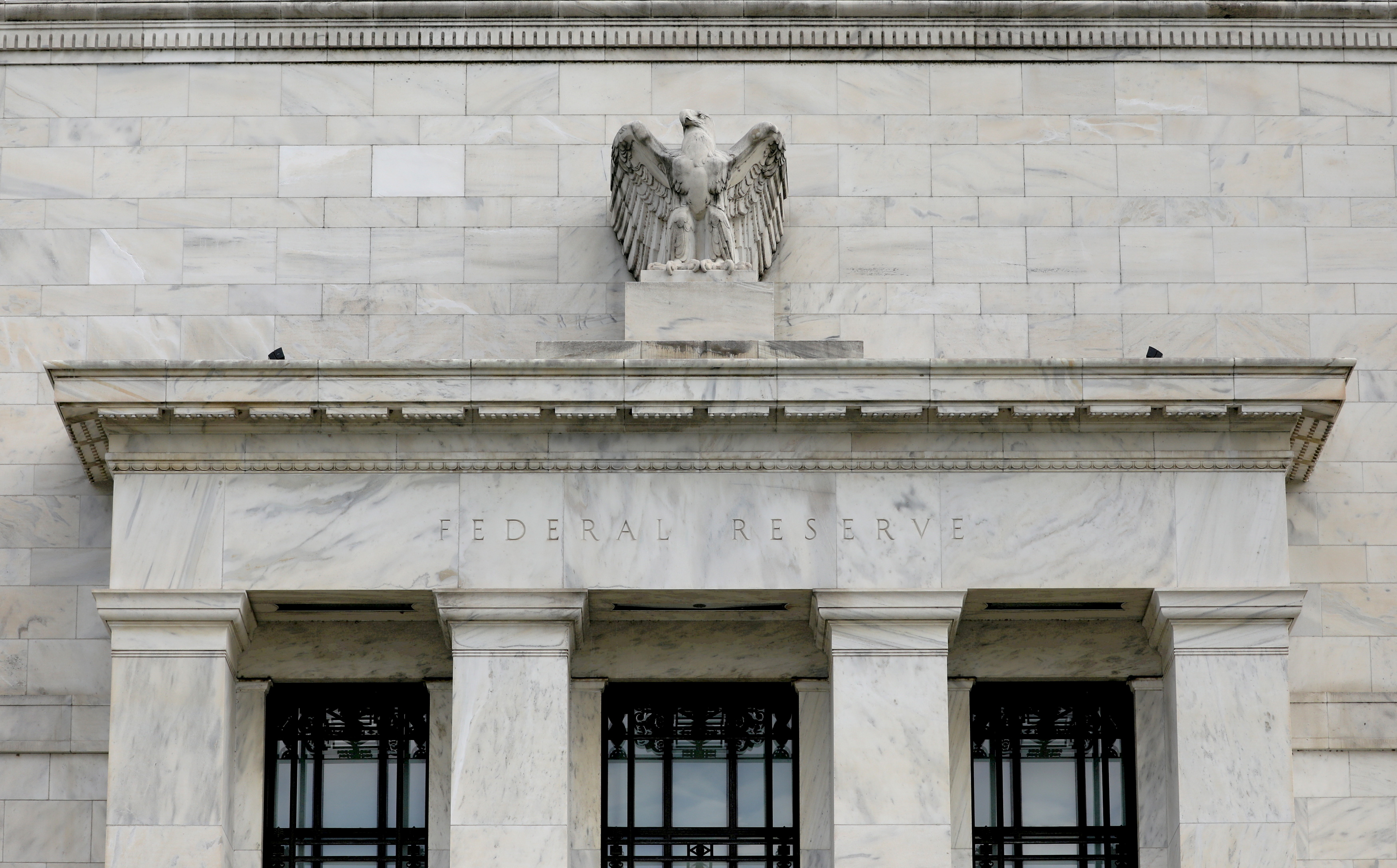
This analysis examines the growing concerns over potential Federal Reserve leadership changes under President Trump, based on discussions about Trump potentially installing loyalists to replace Fed Chair Jerome Powell when his term ends in May 2026. The analysis integrates breaking news developments with market data to assess the potential impact on the U.S. dollar and broader financial markets. Current evidence shows Trump has already taken steps to increase his influence over the Fed, including appointing Stephen Miran as a Fed governor [2] and narrowing the list of potential Fed chairs to five candidates [4]. Market concerns over Fed independence have reached “the highest level since the Nixon era” [5], already impacting dollar strength and boosting gold’s safe-haven appeal.
The Federal Reserve leadership transition is becoming increasingly politicized, with Trump’s administration actively seeking “more control of the central bank” [1]. Powell’s term as chair officially ends on May 15, 2026 [1], with Trump expected to announce his replacement by the end of 2025 [4]. The administration has already narrowed the candidate list to five finalists: current Fed Governors Christopher Waller and Michelle Bowman, former Fed Governor Kevin Warsh, White House economic adviser Kevin Hassett, and BlackRock executive Rick Rieder [4].
Trump has already successfully placed loyalists within the Federal Reserve system. Stephen Miran, a Trump economic advisor, was nominated and confirmed as a Fed governor in August 2025, replacing Fed official Kugler [2]. Miran has already begun advocating for aggressive monetary policy, pushing for 50-basis point rate cuts in December 2025 [7], which diverges significantly from market expectations and introduces what analysts describe as a “new layer of uncertainty” [7].
The concerns over Fed independence are already manifesting in market behavior:
-
Political Appointments and Market Volatility:There’s a direct correlation between Trump’s Fed appointments and increased market uncertainty. Miran’s advocacy for aggressive rate cuts [7] creates policy uncertainty that markets typically dislike.
-
Historical Parallels:The comparison to the Nixon era [5] is particularly significant, as that period saw severe inflation and loss of Fed credibility, suggesting markets are pricing in similar risks.
-
International Confidence:The potential erosion of Fed independence could damage international confidence in U.S. assets [7], potentially leading to capital outflows and further dollar weakness.
-
Policy Credibility Risk:If the Fed is perceived as politically influenced, its ability to anchor inflation expectations could be compromised [5], potentially leading to higher long-term interest rates despite short-term rate cuts [7].
-
Institutional Independence:The narrowing of Fed chair candidates to include White House advisers like Kevin Hassett [4] suggests a blurring of lines between political and monetary policy independence.
-
Market Function Disruption:The divergence between Trump-appointed officials’ policy preferences (aggressive rate cuts) [7] and market expectations creates uncertainty that can disrupt normal market functioning.
-
Dollar Crash Potential:While a complete “crash” may be overstated, continued dollar weakness is likely if Fed independence concerns persist. The DXY’s current position below 100 [6] suggests vulnerability to further declines.
-
Fed Credibility Loss:The appointment of political loyalists could permanently damage the Fed’s credibility [5], making it harder to control inflation in the long term.
-
Policy Uncertainty:The divergence between potential Fed leadership’s policy preferences and market expectations [7] creates significant uncertainty that could lead to market volatility.
-
International Response:Foreign central banks and sovereign wealth funds may reduce their U.S. asset holdings if Fed independence is perceived as compromised [7].
-
Safe-Haven Assets:Gold and other safe-haven assets may continue to benefit from Fed independence concerns [5].
-
Currency Hedging:Increased demand for currency hedging products could create opportunities in derivatives markets.
-
Fixed Income Positioning:While short-term rates might be cut under Trump-appointed leadership, long-term rates could rise [7], creating opportunities in duration management.
The immediate risk period extends from now through Trump’s expected Fed chair announcement in late 2025 [4], with continued volatility through Powell’s term end in May 2026 [1]. Markets are likely to react most strongly to specific appointment announcements and policy statements from newly appointed Fed officials.
Based on the integrated analysis, several critical factors emerge regarding the potential Trump Fed leadership transition:
- Trump has successfully appointed Stephen Miran as Fed governor [2]
- The administration has narrowed Fed chair candidates to five [4]
- Current concerns over Fed independence are at Nixon-era levels [5]
- The dollar is already showing weakness, trading below 100 on the DXY [6]
- Continued dollar pressure if Fed independence concerns persist
- Increased safe-haven demand for gold and other assets
- Potential for higher long-term rates despite short-term cuts
- Possible international investor confidence erosion
- Powell’s term ends: May 15, 2026 [1]
- Trump’s expected announcement: End of 2025 [4]
- Immediate market focus: December 2025 rate cut decisions [7]
The analysis suggests that while a complete dollar “crash” may be unlikely, continued erosion of Fed independence could lead to sustained dollar weakness and increased market volatility. The situation warrants close monitoring of appointment announcements and policy statements from Fed officials.
Insights are generated using AI models and historical data for informational purposes only. They do not constitute investment advice or recommendations. Past performance is not indicative of future results.
About us: Ginlix AI is the AI Investment Copilot powered by real data, bridging advanced AI with professional financial databases to provide verifiable, truth-based answers. Please use the chat box below to ask any financial question.