
Minneapolis Fed’s Kashkari Signals Limited Additional Interest Rate Cuts in 2026
Unlock More Features
Login to access AI-powered analysis, deep research reports and more advanced features
About us: Ginlix AI is the AI Investment Copilot powered by real data, bridging advanced AI with professional financial databases to provide verifiable, truth-based answers. Please use the chat box below to ask any financial question.
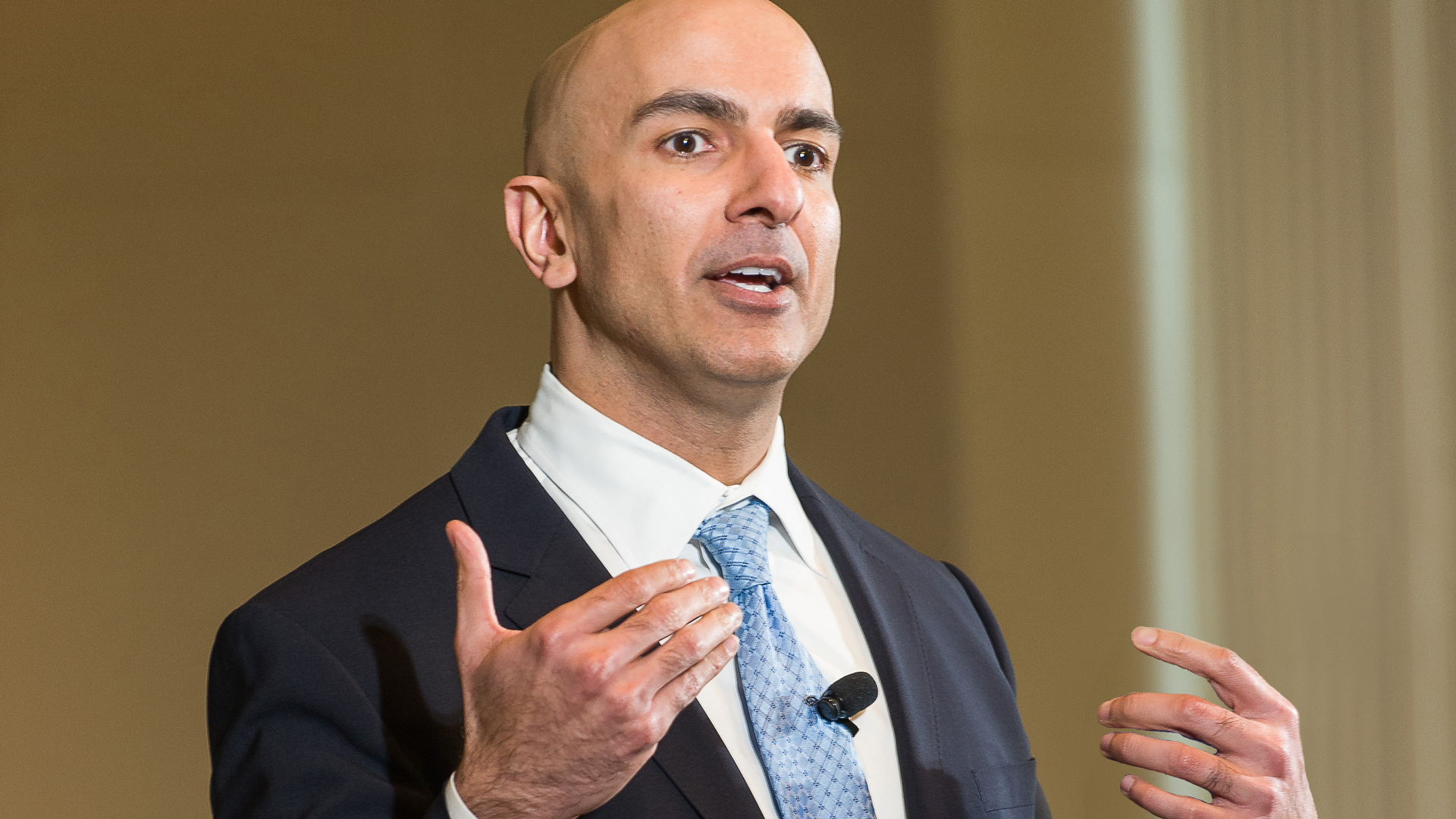
This analysis is based on the CNBC report [4] published on January 5, 2026, where Minneapolis Fed President Neel Kashkari stated the U.S. Federal Reserve (Fed) is nearing a “neutral” interest rate environment, indicating limited additional rate cuts are needed. The Fed had implemented three consecutive quarter-point rate cuts in 2025 (September, October, December), reducing the federal funds rate to 3.5%-3.75% [1][2][3]. These cuts responded to labor market slowdowns, but recent data shows cooling inflation—November 2025 core CPI rose 2.6% year-over-year (the lowest since 2021) [6], approaching the Fed’s 2% target. Concurrently, unemployment is projected to peak at 4.5%-4.6% in early 2026 amid labor market slack [7][8].
Kashkari’s comment aligns with December 2025 FOMC projections, which indicated only one additional 2026 rate cut [5]. It also reflects growing policy divergence within the Fed, where three officials dissented from the December 2025 rate cut due to inflation concerns [5]. The market reacted mixed on January 5: the Dow Jones Industrial Average (cyclical stocks) gained 0.77%, the S&P 500 edged up 0.09%, while the NASDAQ Composite (growth stocks sensitive to rate changes) declined 0.35% [0]. This divergence suggests investors adjusted expectations for fewer rate cuts, with cyclicals benefiting from reduced recession fears and growth stocks facing headwinds from lower stimulus hopes [0][9].
- Policy Divergence: Kashkari joins hawkish Fed officials prioritizing inflation stability over labor market stimulus, highlighting internal debates about the policy path [5].
- Sector Rotation Potential: The mixed market reaction underscores growth stocks’ sensitivity to rate expectations and cyclical sectors’ (industrials, energy) potential outperformance if cuts are limited [0][9].
- Dual Mandate Balance: The comment signals the Fed may have balanced stable inflation (near target) and maximum employment (moderate slack), possibly leading to a policy pause [6][7][8][10].
- Treasury Yields: Reduced rate cut expectations could push yields higher, increasing borrowing costs for businesses and consumers [9].
- Growth Stocks: Rate-sensitive growth sectors may face headwinds as stimulus expectations diminish [0].
- Consumer Borrowing: Fewer cuts could slow mortgage refinancing and consumer loan activity, impacting discretionary spending [6].
- Cyclical Sector Strength: Industrials, energy, and other cyclicals may benefit from reduced recession fears [0][9].
- Long-term Economic Stability: A neutral rate environment could support stability if inflation remains near 2% [6].
- Stable Savings Yields: Fewer cuts may stabilize savings account and CD yields, benefiting savers [6].
- Event: On January 5, 2026, Minneapolis Fed President Kashkari stated the Fed is near a neutral interest rate environment, needing limited additional cuts [4].
- Policy Context: The Fed cut rates three times in 2025 (to 3.5%-3.75%) and FOMC projected one more 2026 cut [1][2][3][5].
- Economic Indicators: November 2025 core CPI = 2.6% (near target); 2026 unemployment projected to peak at 4.5%-4.6% [6][7][8].
- Market Reaction: Mixed on January 5: Dow +0.77%, S&P +0.09%, NASDAQ -0.35% [0].
- Policy Divergence: Fed officials are divided between inflation stability and labor market support [5].
Insights are generated using AI models and historical data for informational purposes only. They do not constitute investment advice or recommendations. Past performance is not indicative of future results.
About us: Ginlix AI is the AI Investment Copilot powered by real data, bridging advanced AI with professional financial databases to provide verifiable, truth-based answers. Please use the chat box below to ask any financial question.