
Market Analysis of U.S. Strike on Venezuela (January 2026)
Unlock More Features
Login to access AI-powered analysis, deep research reports and more advanced features
About us: Ginlix AI is the AI Investment Copilot powered by real data, bridging advanced AI with professional financial databases to provide verifiable, truth-based answers. Please use the chat box below to ask any financial question.
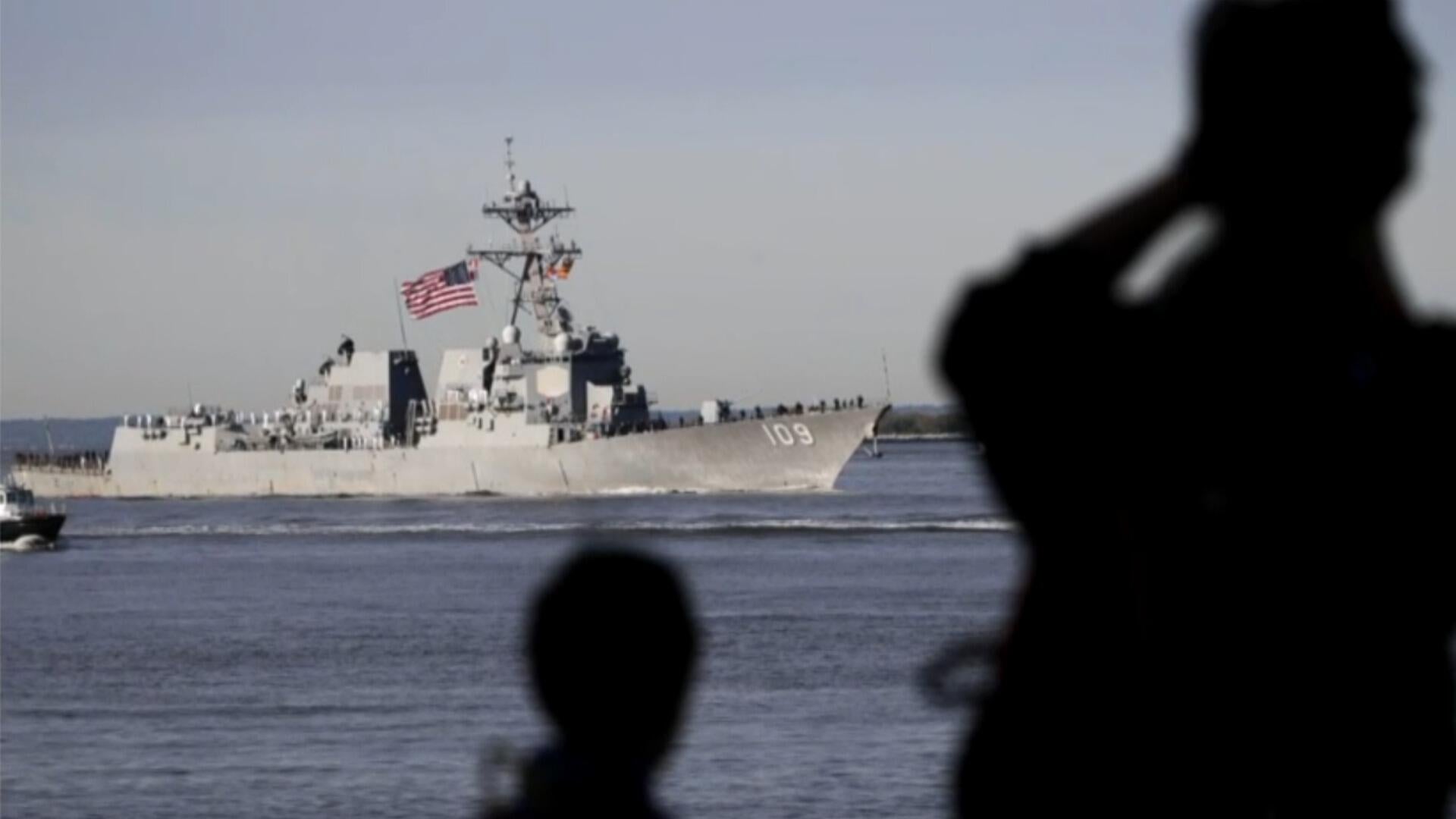
On January 4, 2026, the U.S. launched a military strike on Venezuela resulting in the capture of President Nicolas Maduro [1]. Despite the headline shock, the strike caused no damage to Venezuela’s oil production or refining infrastructure, and the U.S. oil embargo remains in effect [2].
- Energy Markets: Oil prices stayed stable (Brent ~$60.92, WTI ~$57.43) due to ongoing oversupply, as evidenced by the contango market structure (near-term prices below future prices) [4].
- Safe-Haven Assets: Gold surged 2% to $4,423.56/oz and silver rose 3.5% as investors sought safety, while the Swiss franc hit a seven-week high [5][6][8].
- Equity Markets: Asian indices (Nikkei 225 +2.6%, Kospi +3%) gained on an AI rally, independent of Venezuela-related events [7].
- Currency Markets: The U.S. Dollar Index (DXY) rose 0.2% to 98.682 amid modest safe-haven demand [8].
- Oil Supply: Analysts project Venezuela could increase production from 800k bpd to 1.3-1.4M bpd within 2 years, and potentially 2.5M bpd over a decade with sanctions relief [2]. This could pressure global oil prices long-term.
- Geopolitical Risks: Market participants are monitoring reactions from OPEC members (especially Iran) and potential Latin American instability [2][5].
- Market Complacency: The VIX (14.5) remains well below stress levels, indicating investors do not view the strike as a major systemic risk [4].
- Selective Safe-Haven Demand: Gold and the Swiss franc saw modest gains, but the limited magnitude suggests investors are not pricing in long-term economic disruptions [5][8].
- Oil Market Fundamentals Dominant: The contango structure shows supply fundamentals outweigh geopolitical headlines [4].
- Sanctions Policy as a Wildcard: Future oil market impacts depend on how U.S. sanctions evolve and Venezuela’s political stability [1][2].
- Risks: Geopolitical escalation (retaliation from other countries), unexpected oil supply disruptions, or a spike in VIX volatility [2][4][5].
- Opportunities: Potential long-term oil supply increases could benefit energy consumers, while AI-driven equity gains may continue independent of geopolitical events [7].
The U.S. strike on Venezuela has had limited short-term market impact, with stability in oil prices and modest safe-haven asset gains. Market sentiment is characterized by “modest hedging rather than flight-to-safety” [3]. Long-term considerations include potential Venezuelan oil production increases and geopolitical spillover risks. Decision-makers should monitor U.S. sanctions policy, OPEC+ reactions, and domestic Venezuelan stability.
Insights are generated using AI models and historical data for informational purposes only. They do not constitute investment advice or recommendations. Past performance is not indicative of future results.
About us: Ginlix AI is the AI Investment Copilot powered by real data, bridging advanced AI with professional financial databases to provide verifiable, truth-based answers. Please use the chat box below to ask any financial question.