
2026’s Overlooked Risk: AI-Driven Inflation and Market Implications
Unlock More Features
Login to access AI-powered analysis, deep research reports and more advanced features
About us: Ginlix AI is the AI Investment Copilot powered by real data, bridging advanced AI with professional financial databases to provide verifiable, truth-based answers. Please use the chat box below to ask any financial question.
Related Stocks
This analysis is based on the January 5, 2026 Reuters report [1] highlighting AI-driven inflation as an overlooked 2026 market risk. Global stock markets, currently experiencing AI euphoria, may be ignoring inflationary pressures from the AI tech investment boom.
Recent market data (Jan 2, 2026) [0] shows the tech-heavy NASDAQ Composite (^IXIC) down 1.05%, the broader Technology sector down 1.01%, and NVIDIA (NVDA), a key AI player, down 2.22% over the past 5 trading days. In contrast, the Energy sector rose 2.00%, potentially reflecting early concerns about the enormous electricity demand from AI data centers—one of the primary inflationary drivers cited in the report.
The inflationary pressure from AI investments operates through four key channels:
- Massive capital expenditures: OpenAI has committed over $1 trillion to AI infrastructure, while Meta, Alphabet, and Oracle need to raise $86 billion combined in 2026 (Societe Generale estimate via Fortune [2]).
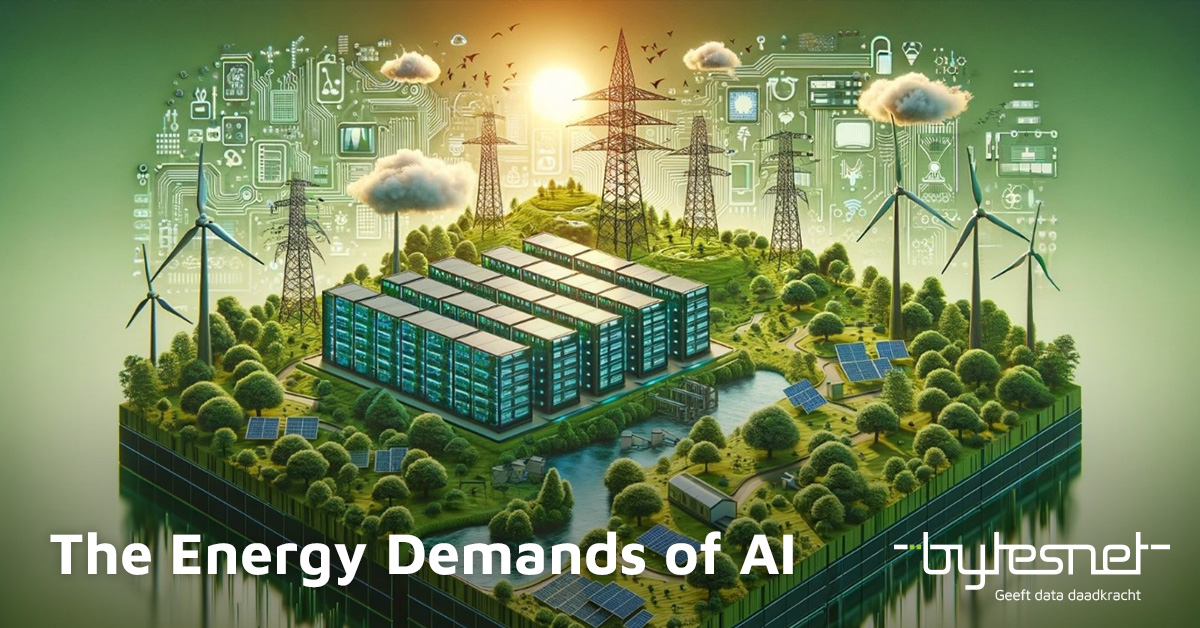
- Energy demand: AI data centers consume significant electricity, straining global energy supplies and likely increasing energy prices.
- Input demand-pull: Competition for AI hardware (GPUs, semiconductors) and data center space could drive up prices.
- Wage inflation: Intense competition for AI talent is expected to push tech sector salaries higher.
Market sentiment, as measured by a December 2025 Bank of America poll, already identifies an “AI bubble” as the biggest tail risk, with over half of investors viewing the Magnificent Seven tech stocks as Wall Street’s most crowded trade [1]. Additionally, Societe Generale has warned of credit risk in the AI trade due to high debt issuance [2].
- Cross-sector interdependencies: The AI investment boom is creating simultaneous downward pressure on tech stocks (valuation concerns) and upward momentum on energy stocks (demand expectations), revealing interconnected market dynamics.
- Market lag in risk pricing: While the energy sector’s January 2 gain may signal early inflationary concerns, tech stocks remain buoyed by AI euphoria, suggesting a potential lag in pricing inflation risks.
- Balanced impact considerations: The Reuters report underdiscusses potential deflationary effects of AI productivity gains, which could offset some inflationary pressures, creating uncertainty about the net inflation impact.
- Regional variation gap: Inflationary pressures may be more pronounced in regions with high AI data center concentrations (e.g., U.S., EU) and limited energy supply elasticity, but the report provides no regional breakdown.
- Energy price volatility: Investors should monitor energy sector trends and electricity prices, especially in regions with dense AI data center clusters [0].
- Interest rate sensitivity: High-valuation AI stocks may face significant downside if inflation leads to tighter monetary policy [1].
- Debt sustainability: Companies with heavy AI infrastructure debt (OpenAI, Meta, Oracle) could face credit risk if inflation erodes revenue streams [2].
- Regulatory response: Governments may implement energy consumption limits or inflation-mitigating policies that impact AI investment plans [1].
- Energy sector growth: Companies in the energy sector may benefit from increased demand for electricity from AI data centers, as suggested by the January 2 sector gain [0].
- AI infrastructure suppliers: Firms providing GPUs, semiconductors, and data center components may see sustained demand, though demand-pull inflation could affect profit margins [1].
This analysis synthesizes the Reuters report’s warning about AI-driven inflation with recent market data and investor sentiment. The inflationary risks stem from massive AI infrastructure investments, surging energy demand, input competition, and wage inflation. Recent market trends show tech sector weakness and energy sector strength, potentially signaling early risk awareness in certain sectors. Investor sentiment already flags an AI bubble as the top tail risk, but markets have yet to fully price in inflationary pressures. Information gaps include precise inflation projections, regional variation analysis, and a balanced discussion of AI’s deflationary productivity gains. This analysis provides context for decision-makers to monitor energy prices, interest rate trends, and debt levels among AI-focused companies.
Insights are generated using AI models and historical data for informational purposes only. They do not constitute investment advice or recommendations. Past performance is not indicative of future results.
About us: Ginlix AI is the AI Investment Copilot powered by real data, bridging advanced AI with professional financial databases to provide verifiable, truth-based answers. Please use the chat box below to ask any financial question.