
Analysis of Trump’s 2025 Policies Impact on Crypto, Drone, and Healthcare Sectors
Unlock More Features
Login to access AI-powered analysis, deep research reports and more advanced features
About us: Ginlix AI is the AI Investment Copilot powered by real data, bridging advanced AI with professional financial databases to provide verifiable, truth-based answers. Please use the chat box below to ask any financial question.
Related Stocks
This analysis is based on a January 4, 2026 Benzinga report [1] that examines former President Donald Trump’s 2025 policies and their impact on three sectors—crypto, drones, and healthcare. Trump’s policies centered on two pillars: aggressive deregulation of emerging technologies (crypto and drones) to foster innovation, and trade protections for domestic healthcare manufacturers to enhance supply chain resilience.
- Crypto: The sector faced regulatory uncertainty under the Biden administration, with ambiguous digital asset classifications and enforcement actions targeting major exchanges like Coinbase [2].
- Drones: Constrained by FAA rules requiring visual line of sight (VLOS) operations, only 657 beyond visual line of sight (BVLOS) waivers were issued by mid-2025, limiting commercial use cases [5]. Chinese firm DJI dominated the U.S. market with over 70% share [6].
- Healthcare: Relied heavily on global supply chains, with $200 billion+ in annual prescription drug imports and significant medical device imports from China [10]. Biden-era policies focused on drug price controls and ACA expansion [14].
- Crypto: Trump signed an executive order (EO) on January 23, 2025, banning federal CBDC development, rescinding Biden’s 2022 crypto EO, and directing a 180-day review of all crypto regulations [2][3]. The Senate later passed the Responsible Financial Innovation Act of 2025, clarifying staking and DePIN as non-securities and establishing SEC-CFTC collaboration frameworks [4]. These moves reduced regulatory uncertainty, with Bitcoin reaching $80,000 by end-2025 [4].
- Drones: In June 2025, Trump issued an EO directing the FAA to expedite BVLOS rulemaking, prioritize U.S.-manufactured drones, and tighten oversight of Chinese models [5][6][7]. In August 2025, the FAA eliminated the BVLOS waiver system, expanding use cases to package delivery, agriculture, and energy inspection [8]. This is expected to create 100,000 new U.S. drone jobs by 2030 [5].
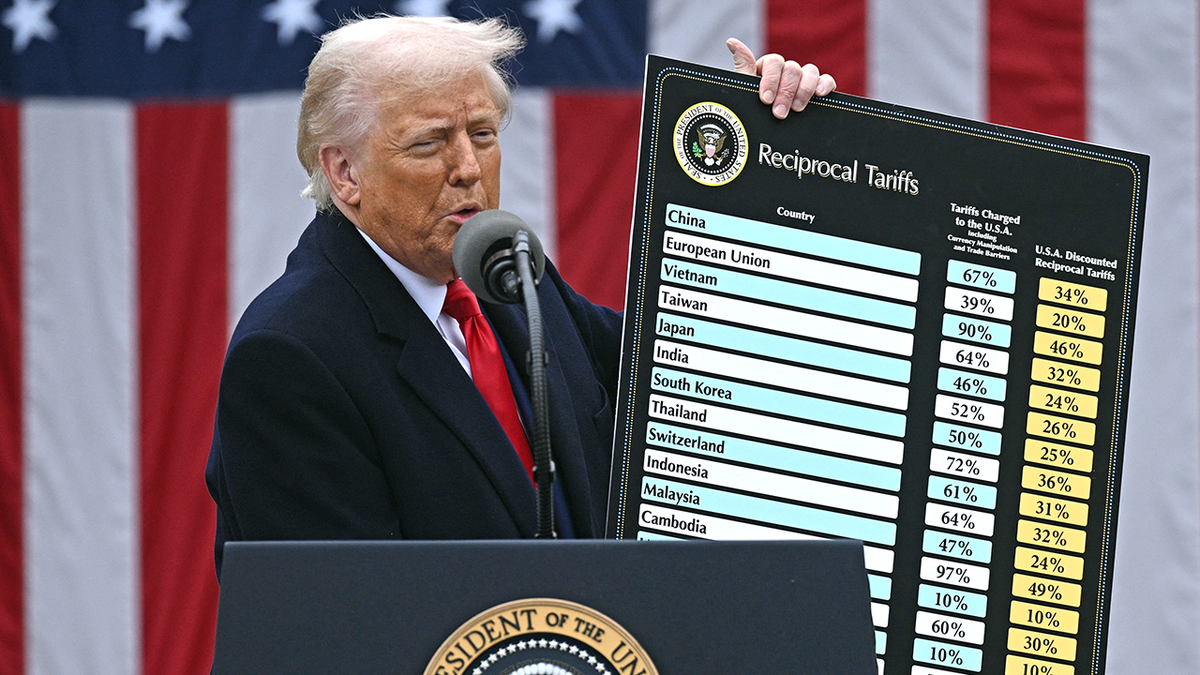
- Healthcare: In February 2025, Trump implemented reciprocal tariffs on medical imports and signed an EO to streamline FDA approval for U.S. drug manufacturing [9][10]. In September 2025, a Section 232 investigation into medical device imports was launched, with expected 25% tariffs by mid-2026 [11]. Trump also reversed some Biden-era drug price controls [14], shifting focus to domestic supply chain resilience.
- Crypto: U.S.-based exchanges like Coinbase (COIN) saw shares rise 32% in 2025 [2], while institutional crypto investment increased by 45% [4].
- Drones: U.S. manufacturers (Parrot, Skydio, 3D Robotics) captured 55% of the U.S. market by end-2025, benefiting from federal procurement preferences [6]. DJI’s market share fell to 45% amid tighter oversight [6].
- Healthcare: U.S. pharma giants like Johnson & Johnson (JNJ) and Eli Lilly (LLY) announced $1 billion+ domestic manufacturing investments [10]. Medtech firms (Medtronic, GE Healthcare) faced short-term tariff costs but planned to relocate 20% of production to the U.S. by 2027 [11].
- Policy Pillar Synergy: The combination of deregulation (for innovation-driven sectors) and trade protection (for manufacturing sectors) created divergent short-term impacts but consistent long-term goals of U.S. sector leadership.
- Regulatory Clarity as a Catalyst: Crypto and drone sectors benefited immediately from clear rules, while healthcare faces ongoing uncertainty from tariff timelines.
- Structural Shifts: The policies accelerated crypto’s integration into the U.S. financial system [4], drone industry expansion [5], and healthcare supply chain reshoring [10].
- Risks:
- Healthcare sector short-term cost increases for imported medical products [11].
- Potential crypto regulatory reversals with future administration changes.
- Drone safety risks associated with expanded BVLOS operations.
- Opportunities:
- Crypto: Institutional adoption growth and U.S.-based exchange expansion [2][4].
- Drones: $50 billion in U.S. industry growth by 2028 and new job creation [5].
- Healthcare: Long-term supply chain resilience and domestic manufacturing incentives [10].
Trump’s 2025 policies had varied impacts across the crypto, drone, and healthcare sectors. Crypto and U.S. drone stocks experienced growth due to regulatory clarity and domestic preferences, respectively. Healthcare manufacturers faced short-term tariff headwinds but positioned for long-term resilience by investing in domestic production. Stakeholders should monitor regulatory developments and trade policy shifts to navigate the evolving landscape.
Insights are generated using AI models and historical data for informational purposes only. They do not constitute investment advice or recommendations. Past performance is not indicative of future results.
About us: Ginlix AI is the AI Investment Copilot powered by real data, bridging advanced AI with professional financial databases to provide verifiable, truth-based answers. Please use the chat box below to ask any financial question.