
US Military Strikes on Venezuela: Impact on Oil Market & Latin American Stocks
Unlock More Features
Login to access AI-powered analysis, deep research reports and more advanced features
About us: Ginlix AI is the AI Investment Copilot powered by real data, bridging advanced AI with professional financial databases to provide verifiable, truth-based answers. Please use the chat box below to ask any financial question.
Related Stocks
The following content is based on public reports and market data, and interpreted using a professional analytical framework.
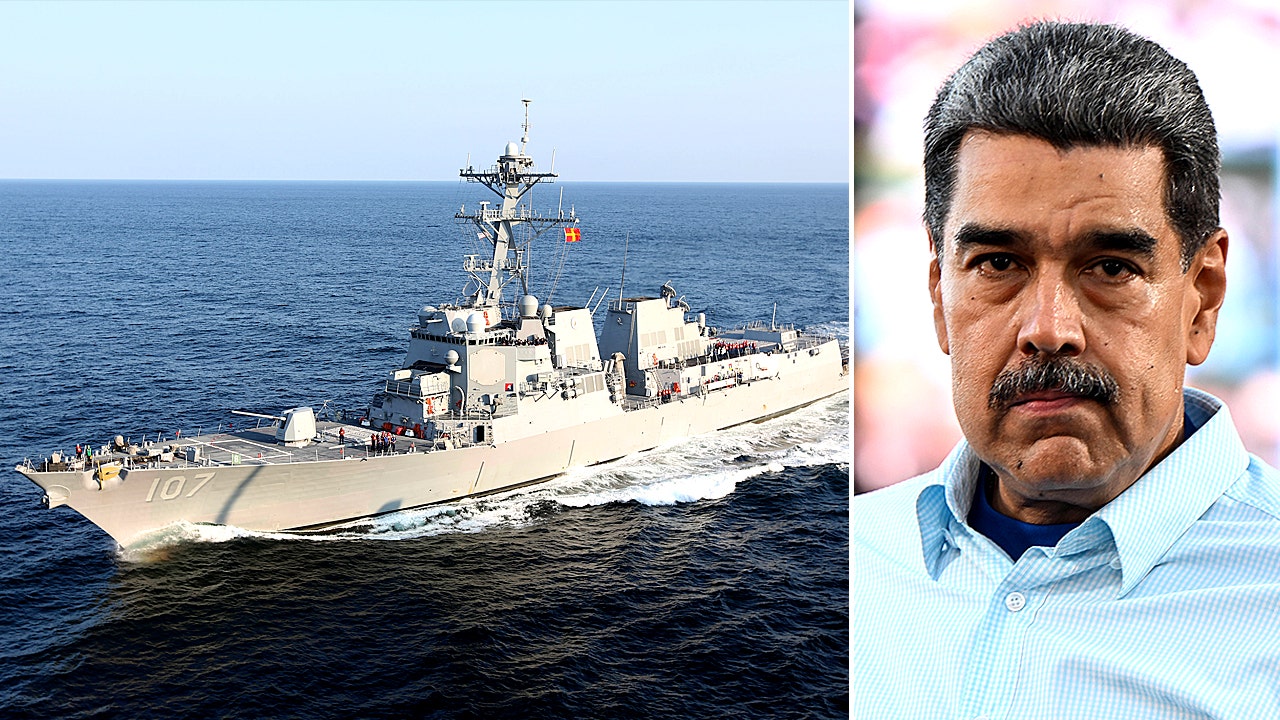
- Timeline:On January 3, 2026, U.S. government officials confirmed to Reuters that “the U.S. is carrying out strikes inside Venezuela” [1]. Venezuelan President Nicolas Maduro declared a national state of emergency [1].
- Nature of the Event:Public reports indicate that a U.S.-acknowledged military operation has occurred inside Venezuela, marking a substantial escalation of bilateral tensions.
- Market Impact:This event, combined with previous “blockade” actions against Venezuela, triggered a repricing of the oil market and Latin American assets.
- WTI (CLUSD) fell slightly (-2.78%) over 30 trading days, with a minor drop in the closing price on the day [3].
- Energy ETFs: XLE +2.11%, XOP +2.14% [4,5].
- Major U.S. Stock Indices: Overall upward trend over the past 30 days (S&P 500 +3.51%, NASDAQ +3.46%, Dow +4.86%) [10].
- Latin American ETFs: EWZ (Brazil) +1.35%, EWW (Mexico) +0.48% [7,8].
- The market’s pricing of the “risk premium” has not been fully reflected in oil prices, possibly due to insufficient pricing of supply disruption impacts; however, the overall stronger performance of the energy sector reflects expectations of price increases and benefits for some enterprises.
- Blockade-Induced Production Halt:Bloomberg reports that Venezuela began shutting down some oil wells in the Orinoco Belt on December 28, 2025, due to inventory pressure from the blockade [2]. PDVSA plans to reduce Orinoco Belt production from approximately 667,000 barrels per day to about 500,000 barrels per day, equivalent to a 15% cut in national production [2].
- Base Effect:Reports indicate that Venezuela’s previous production was approximately 1.1 million barrels per day; if the above cuts are implemented, the marginal impact on supply will be around 100,000 to 150,000 barrels per day [2].
- OPEC+ Dynamics:Recently, OPEC+ has tended to maintain its existing production policy in public information, and member states usually have the ability to coordinate responses in the event of supply gaps or price fluctuations. The direct supply scale of this event is relatively limited compared to the global market size, but against the backdrop of geopolitical tensions, it may trigger market concerns about “potential further disruptions,” thereby pushing up the risk premium.
- WTI:Over the past 30 trading days, CLUSD fell from $58.96 to $57.32 (-2.78%), with a daily volatility of approximately 1.18% [3].
- 52-Week Range:$54.98—$80.77 [3]; currently in the lower half of the range, indicating that the market has not yet discounted geopolitical risks into a significant premium increase.
- Energy ETFs:Both XLE and XOP rose by more than 2% on the day, reflecting investors’ expectations of improved profitability for energy companies [4,5].
- Baseline Scenario (Medium Probability):If the conflict does not escalate further within a limited time and sanctions are implemented in a “controllable” manner, oil prices may follow a path of “phased premium followed by a decline”; WTI may move toward the $60—$65 range.
- Upside Risk Scenario (Medium-Low Probability):If the conflict escalates and spreads to surrounding waterways/ports, or triggers broader sanctions and countermeasures, short-term supply concerns may push WTI toward the $65—$75 range; volatility will further increase.
- Downside Risk Scenario (Low Probability):If cooling signals appear quickly or alternative supplies are released (e.g., adjustment of OPEC+ production increase pace), prices may fall back to the $50—$60 range.
- OPEC+ Response:Whether member states adjust quotas or release buffer stocks after an “unexpected disruption” is a key variable in smoothing price shocks.
- Inventory and Available Capacity:The level of U.S. SPR and the availability of OECD commercial inventories will affect the market’s panic about supply gaps.
- Demand-Side Synchronization:If global demand weakens simultaneously (e.g., economic slowdown), the geopolitical premium may be partially offset.
- Brazil:EWZ ETF rose +1.35% on the day [7]; as a regional market with high weight in energy and resources, Brazil’s expectations of benefiting from potential oil price and commodity increases may dominate.
- Mexico:EWW ETF rose +0.48% on the day [8]; Mexico’s exposure is more from manufacturing and export chains to the U.S., so geopolitical tensions have limited direct impact on it, but may have indirect effects through the “regional risk sentiment” channel.
- Petrobras (PBR):+0.63% on the day [9]; as a major Latin American oil and gas company, its valuation is sensitive to oil prices and the policy environment.
- Benefits:Higher oil prices support the profitability and export revenues of its oil and gas companies; if the U.S. dollar strengthens, its resource export enterprises will gain additional foreign exchange gains.
- Risks:Capital flows may experience short-term fluctuations due to “regional uncertainty”; however, relatively speaking, Brazil’s financial system has limited exposure to a single geopolitical event.
- Direct Exposure:Limited direct exposure to Venezuela-related oil and gas chains.
- Indirect Channels:If U.S.-Mexico trade policies are adjusted due to the “regional security narrative,” it may have spillover effects on risk asset valuations and cause phased market disruptions.
- Asset Attributes:This event has a severe direct impact on Venezuela’s domestic assets; pressure on local currency depreciation rises, the financial system is under stress, and risks of inflation and capital outflows intensify.
- Investment Grade/Emerging Market Indices:Its weight in EM indices is relatively limited, but it has symbolic and sentiment transmission significance for the "emerging market risk premium.
- Chevron (CVX):Closing price of $155.87, +2.27% on the day [12]. Chevron is one of the few major international oil companies that still retains operations in Venezuela [14].
- Upside Path:If U.S.-Venezuela relations ease or a temporary cooperation window opens (e.g., temporary export authorization), Chevron may be able to undertake larger-scale crude oil exports and processing, significantly boosting short-term profits.
- Risks:High policy volatility; it may be restricted at any time due to sanction adjustments or diplomatic cooling [14].
- Exxon Mobil (XOM):Closing price of $122.65, +1.92% on the day [13]. Historically, it has limited asset exposure in Venezuela [14], but still benefits from potential opportunities in rising oil prices and alternative supply filling.
- Comprehensive Impact:Rising oil prices support the profitability of upstream enterprises; midstream refining and chemical enterprises may face cost pressure, but can partially pass it on if they use regional price differences and inventory strategies.
- Latin American National Oil Companies (e.g., Petrobras, Ecopetrol, etc.):Rising oil prices combined with regional trade restructuring (e.g., enhanced energy cooperation within South America) may bring medium-term opportunities.
- Operational Risks:Increased uncertainty in asset safety, personnel evacuation, facility damage, and contract performance.
- Financial and Compliance:Escalating sanctions may lead to increased financing difficulties, restricted settlements, and higher compliance costs.
- If raw material supply is disrupted and alternative procurement costs are high, it may phasedly compress refining margins.
- Regional Position Differentiation:Cuba explicitly condemned the U.S. action as “state terrorism” [11], indicating divided positions within the Latin American camp, which may affect regional cooperation at the diplomatic level.
- U.S.-Latin America Relations:Military actions may put pressure on political relations between the U.S. and some Latin American countries, thereby affecting investment agreements and trade arrangements.
- Risk Premium:Geopolitical events may push up the overall EM risk premium in the short term, driving capital to defensive assets (e.g., U.S. dollar, U.S. Treasuries); however, the impact on different countries is highly differentiated.
- Carry Trade:If the U.S. dollar strengthens due to safe-haven demand, the debt repayment pressure of some economies with high external debt and weak fundamentals will increase.
- Tactical Long Position:In the short term, consider tactical long positions in oil prices and high-quality energy stocks, using option tools to hedge downside risks.
- Volatility Strategy:During the period of rising oil price volatility, moderately deploy straddle or range breakout strategies to capture double gains from "direction + volatility.
- Structural Opportunities:Prefer markets with strong resource attributes and sound fiscal positions (e.g., Brazil), moderately increasing the weight of energy, materials, and financial sectors.
- Risk Hedging:For economies dependent on exports and manufacturing (e.g., Mexico), pay attention to their performance under the dual variables of “global demand + regional risk,” and moderately use currency hedging or diversify into other EM markets.
- Selected Targets:Prioritize companies with strong balance sheets, abundant free cash flow, and ability to benefit from rising oil prices but with controllable exposure to a single country.
- Scenario Hedging:If holding targets with large exposure to Venezuela-related risks, appropriately reduce positions or use protective options.
- Cross-Asset Hedging:Moderately increase the proportion of gold and U.S. Treasuries in the portfolio to balance geopolitical tail risks; use dynamic management for exposure to Latin America and emerging markets.
- Liquidity Management:Maintain part of cash/cash-like assets to respond to opportunities and rebalancing needs brought by market shocks.
- Conflict Scope and Duration:Whether it spreads to ports/waterways or leads to larger-scale sanctions/countermeasures.
- OPEC+ Position:Whether to release temporary production increases or adjust quotas to hedge disruptions.
- Diplomatic Signals from the U.S. and Regional Powers:Whether cooling channels or further escalation signals appear.
- Global Demand and Macro Cycle:“Demand-side” pricing of oil prices by PMI and manufacturing cycles in major economies.
The impact of U.S. military strikes on Venezuela on the oil market and Latin American stock markets shows “differentiated and phased” characteristics:
- Oil Market:Currently, WTI is in the lower half of the 52-week range, and the geopolitical risk premium has not been fully factored in; in the upside scenario, WTI has momentum toward the $65—$75 range, with key variables being conflict evolution and OPEC+ response.
- Latin American Stock Markets:Resource countries like Brazil are more defensive and beneficial, while Mexico is dominated by “indirect risk sentiment”; the region as a whole has increased volatility against the backdrop of rising EM risk premiums.
- Large Energy Companies:Chevron and Exxon, among others, have the conditions to “benefit from rising oil prices,” but their policy and event exposure to Venezuela needs dynamic assessment.
Under the current combination of “low pricing and high uncertainty,” investors should adopt a “scenario-driven + dynamic hedging” framework: on one hand, capture potential upside opportunities in the oil market and energy sector; on the other hand, conduct differentiated allocation and strict risk management for Latin American exposure to deal with geopolitical tail risks.
[0] 金灵API数据
[1] Reuters — “US carrying out strikes in Venezuela, US official says” (https://www.reuters.com/world/americas/us-carrying-out-strikes-venezuela-us-official-says-2026-01-03/)
[2] Bloomberg — “Venezuela Starts Shutting Oil Wells as US Blockade Halts Flows” (https://www.bloomberg.com/news/articles/2025-12-29/venezuela-starts-shutting-oil-wells-as-us-blockade-halts-flows)
[3] 金灵API数据 — CLUSD(WTI)日线价格,2025-11-30至2026-01-02
[4] 金灵API数据 — XLE 实时报价(2026-01-03)
[5] 金灵API数据 — XOP 实时报价(2026-01-03)
[6] 金灵API数据 — USO 实时报价(2026-01-03)
[7] 金灵API数据 — EWZ 实时报价(2026-01-03)
[8] 金灵API数据 — EWW 实时报价(2026-01-03)
[9] 金灵API数据 — PBR 实时报价(2026-01-03)
[10] 金灵API数据 — 美股指数(^GSPC、^IXIC、^DJI)30日表现,2025-11-19至2026-01-02
[11] WSJ — “Venezuela Ally Cuba Says U.S. Strikes Amount to ‘State Terrorism’” (https://www.wsj.com/livecoverage/venezuela-strikes/card/venezuela-ally-cuba-says-u-s-strikes-amount-to-state-terrorism--PSMRGxxRFwaO5zIBQJtA)
[12] 金灵API数据 — CVX 实时报价(2026-01-03)
[13] 金灵API数据 — XOM 实时报价(2026-01-03)
[14] Yahoo Finance — “Chevron Steers Risky Path to Oil’s Biggest Prize in …” (https://finance.yahoo.com/news/chevron-steers-risky-path-oils-143008982.html)
Insights are generated using AI models and historical data for informational purposes only. They do not constitute investment advice or recommendations. Past performance is not indicative of future results.
About us: Ginlix AI is the AI Investment Copilot powered by real data, bridging advanced AI with professional financial databases to provide verifiable, truth-based answers. Please use the chat box below to ask any financial question.