
Swiss-US Tariff Reduction: Impact Analysis on Luxury Watch Industry and Trade Relations
Unlock More Features
Login to access AI-powered analysis, deep research reports and more advanced features
About us: Ginlix AI is the AI Investment Copilot powered by real data, bridging advanced AI with professional financial databases to provide verifiable, truth-based answers. Please use the chat box below to ask any financial question.
Related Stocks
This analysis is based on the YouTube report [1] published on November 11, 2025, which reported that Switzerland is close to securing a 15% tariff on its exports to the US, reducing from the punishing 39% levy imposed in August 2025. President Donald Trump confirmed his administration was “working on a deal to get their tariffs a little bit lower” [1].
The tariff reduction represents a significant diplomatic breakthrough for Switzerland, particularly for its luxury watch industry, which has been the most severely impacted sector. The United States serves as Switzerland’s largest export market since 2021, with Swiss watch exports to the US reaching CHF 4.372 billion ($5.4 billion) in 2024, representing 16.8% of total Swiss watch exports [2][3].
The announcement triggered immediate positive market reactions:
- Swatch Group (UHR.SW): Shares gained 4.2% on November 11, 2025, with a 5-day performance of +10.23% [0]
- Richemont (CFR.SW): Shares rose 2% on the same day, with a 5-day gain of 5.36% [0]
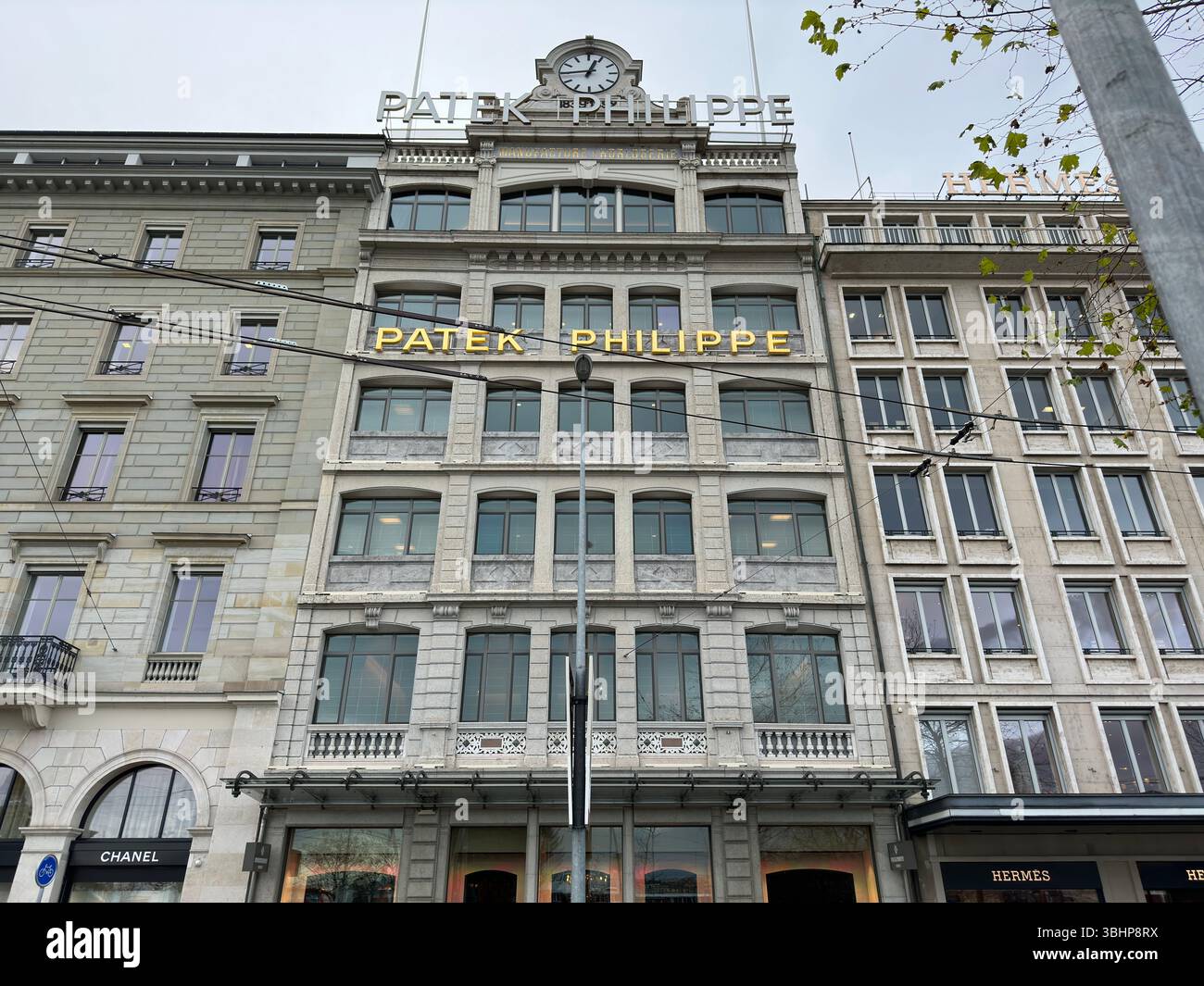
The 39% tariff had caused substantial operational disruptions, with Swiss watch exports to the US collapsing by approximately 56% year-on-year in September 2025 [4]. Companies engaged in massive front-loading of shipments to US retailers in July 2025 to beat the August tariff deadline, and several brands, including Patek Philippe, raised prices for US customers to offset tariff costs [4].
The tariff differential created significant competitive disadvantages for Swiss manufacturers compared to European luxury brands. Based on industry data, the Swiss watch market is dominated by Rolex (26.8-28.8% market share), Swatch Group (25.2% market share), and Richemont (18.2% market share) [3].
- Swatch Group: Most vulnerable due to higher US exposure and predominantly Swiss-made production [4]
- Richemont: Less affected due to diversification into jewelry business [3]
- Rolex: While not publicly traded, engaged in direct diplomacy with Trump, including meetings at the US Open in September 2025 [4]
The resolution of this trade dispute demonstrates the growing importance of private sector leadership in international trade negotiations. Initial government-to-government negotiations proved ineffective, but private sector leadership emerged as the driving force, with Swiss billionaires and corporate executives engaging directly with the Trump administration [1]. A high-level business delegation including executives from Rolex, Richemont, Mercuria, Partners Group, MSC, and MKS PAMP met with Trump at the White House [1].
The tariff episode has accelerated strategic adaptations that will persist beyond immediate tariff relief:
- Swiss watchmakers rerouted exports to the UK and Japan following US tariff imposition [4]
- Companies explored alternative distribution channels to maintain market access
- Geographic diversification strategies will continue despite tariff reduction
- Investment in US market presence and marketing likely to accelerate
The Swiss tariffs are part of Trump’s broader reciprocal tariff policy targeting countries with US trade deficits [2]. The US reported an estimated $39 billion trade deficit with Switzerland, cited as the key reason for the high levy [2]. Ironically, Switzerland’s most lucrative exports—pharmaceuticals—were not affected by the 39% tariffs, though they face potential exposure to Trump’s threatened 100% tariff on imported medicines [5].
- Implementation Uncertainty: The finalization of the 15% tariff deal, while expected within weeks, remains subject to final approval and implementation details [1]
- Exchange Rate Pressure: The strong Swiss franc has compounded challenges for Swiss exporters and will remain a factor even after tariff reduction
- Policy Volatility: Potential for further US trade policy changes remains high, creating ongoing uncertainty for Swiss exporters
- Pharmaceutical Sector Exposure: Separate tariff threats of 100% on imported medicines create additional risk for Switzerland’s most lucrative export sector [5]
- Market Share Recovery: Immediate relief from tariff reduction would restore competitive parity with EU manufacturers
- Price Stabilization: US consumers and retailers can expect price normalization as tariff costs are removed from the supply chain
- Supply Chain Normalization: Inventory levels likely to normalize following front-loading disruptions
- Strategic Investment: Companies can now focus on long-term US market investment rather than crisis management
The potential reduction of US tariffs on Swiss exports from 39% to 15% marks a significant turning point for Swiss-US trade relations, particularly for the luxury watch industry. The 39% tariff, imposed on August 1, 2025 (Switzerland’s national holiday), represented the highest tariff rate imposed on any developed nation by the US and caused severe disruption to Swiss exports [1][2].
The luxury watch industry, as Switzerland’s most visible and culturally significant export sector, stands to benefit substantially from this development. The immediate market response has been positive, with major Swiss watchmakers experiencing significant stock gains [0]. However, the experience has likely accelerated strategic adaptations including geographic diversification and enhanced private sector involvement in trade diplomacy that will persist beyond the immediate tariff relief.
The successful resolution demonstrates the effectiveness of private sector leadership in international trade negotiations and provides a template for future trade dispute resolution. For stakeholders, the key focus should be on managing the transition back to normalized trade relationships while maintaining the strategic diversification initiatives developed during the tariff period.
Insights are generated using AI models and historical data for informational purposes only. They do not constitute investment advice or recommendations. Past performance is not indicative of future results.
About us: Ginlix AI is the AI Investment Copilot powered by real data, bridging advanced AI with professional financial databases to provide verifiable, truth-based answers. Please use the chat box below to ask any financial question.