
Analysis of Ex-Treasury Official’s Prediction That Trump’s 2025 OBBB and Energy Policies Will Boost 2026 U.S. Economy
Unlock More Features
Login to access AI-powered analysis, deep research reports and more advanced features
About us: Ginlix AI is the AI Investment Copilot powered by real data, bridging advanced AI with professional financial databases to provide verifiable, truth-based answers. Please use the chat box below to ask any financial question.
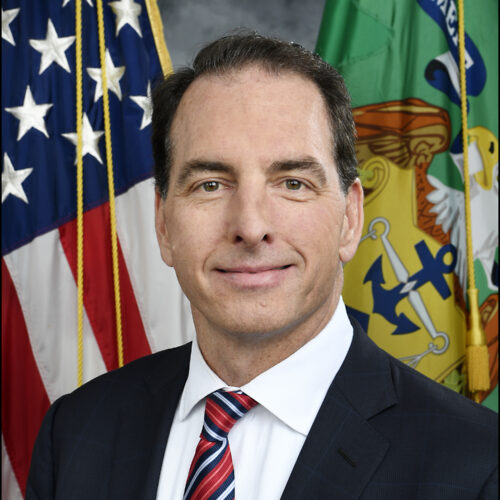
This analysis is based on a Fox Business article [1] published on January 2, 2026, featuring former U.S. Treasury Deputy Secretary Michael Faulkender’s claim that former President Trump’s 2025 economic policies—specifically the One Big Beautiful Bill (OBBB) Act and energy policies—will boost the U.S. economy in 2026. The OBBB, signed into law by Trump on July 4, 2025 [0,2], is a sweeping package covering tax reform, energy policy, border security, welfare reform, and defense. Its key tax provisions make Trump’s 2017 tax cuts permanent (including lower rates, reformed brackets, higher alternative minimum tax exemptions, and a permanent standard deduction boost) and add significant tax breaks for seniors [0,3]. On energy, the act eliminates subsidies for wind and solar energy, rolls back clean electricity tax credits, and prioritizes “dispatchable energy sources” (oil, natural gas, nuclear) to enhance energy security [0,4,5]. Faulkender’s optimistic outlook centers on the expectation that these policies will stimulate consumer spending, business investment, and energy cost stability. However, the Committee for a Responsible Federal Budget projects the OBBB will add $3.3 trillion to the national debt over 10 years due to unpaid-for tax provisions [0], while clean energy groups argue the energy policies could raise electricity prices by handicapping cost-competitive wind and solar projects [0,5].
- Policy Trade-offs: The OBBB’s short-term economic stimuli (permanent tax cuts) are offset by long-term fiscal risks (soaring national debt), highlighting a classic tension between immediate growth and fiscal sustainability [0].
- Energy Sector Realignment: The shift from renewable to traditional energy subsidies may benefit oil, gas, and nuclear industries in the short term, but could slow the U.S. transition to clean energy, potentially impacting global climate goals and long-term energy cost competitiveness [0,5].
- Political Implications: 2026 economic outcomes tied to the OBBB and energy policies will likely shape public perceptions of Trump’s political legacy and influence the 2026 midterm elections—with a strong economy potentially benefiting Republicans, while adverse effects (e.g., higher energy prices, inflation) could hurt their electoral chances [0].
- The permanent tax cuts may boost short-term consumer spending and business investment, driving immediate economic growth [0].
- Prioritizing dispatchable energy sources could enhance U.S. energy security by reducing reliance on variable renewable energy and foreign energy imports [0,4].
- The $3.3 trillion 10-year debt increase could raise long-term interest rates, crowd out private investment, and strain future government budgets [0].
- The rollback of renewable energy subsidies may slow the growth of cheaper wind and solar projects, potentially leading to higher electricity prices for consumers and businesses [0,5].
- Political backlash could occur if projected economic benefits fail to materialize or if adverse side effects (e.g., debt, energy costs) become prominent, impacting future policy decisions [0].
- Michael Faulkender, a former high-ranking Treasury official, predicts Trump’s 2025 OBBB and energy policies will boost the 2026 U.S. economy [1].
- The OBBB makes 2017 tax cuts permanent, reduces renewable energy subsidies, and prioritizes traditional energy sources [0,2,3,4].
- The bill is controversial: fiscal conservatives critique its long-term debt impact, while clean energy advocates warn of potential short-term energy price increases [0,5].
- Information gaps include Faulkender’s specific economic growth projections, counterarguments not presented in the original Fox Business article, and detailed implementation timelines for the energy policies [1].
Insights are generated using AI models and historical data for informational purposes only. They do not constitute investment advice or recommendations. Past performance is not indicative of future results.
About us: Ginlix AI is the AI Investment Copilot powered by real data, bridging advanced AI with professional financial databases to provide verifiable, truth-based answers. Please use the chat box below to ask any financial question.