
Analysis of Jerome Powell’s Silence on Remaining Federal Reserve Governor Term (Jan 2, 2026)
Unlock More Features
Login to access AI-powered analysis, deep research reports and more advanced features
About us: Ginlix AI is the AI Investment Copilot powered by real data, bridging advanced AI with professional financial databases to provide verifiable, truth-based answers. Please use the chat box below to ask any financial question.
Related Stocks
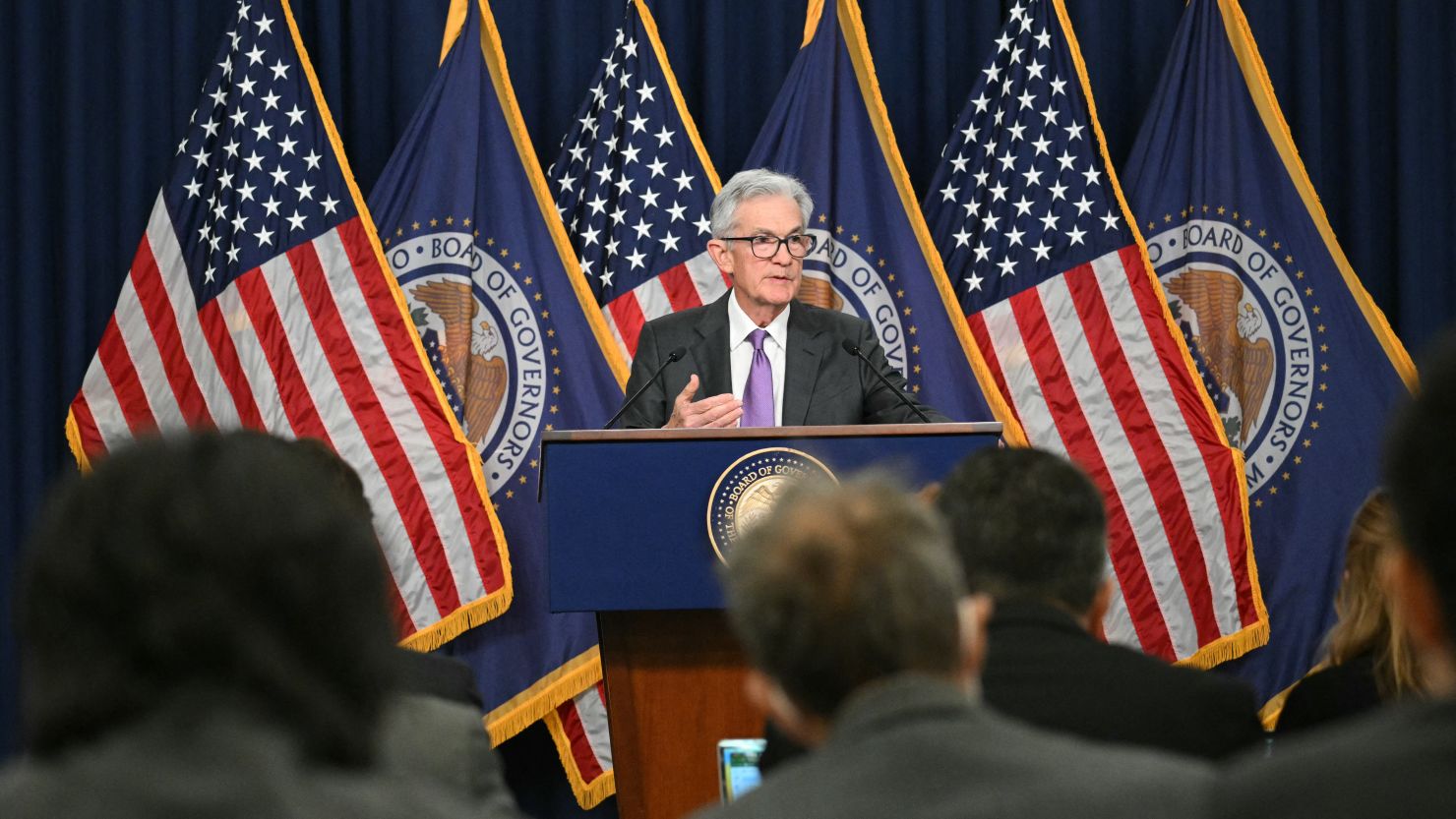
This analysis centers on a January 2, 2026, CNBC report [1] by Steve Liesman, which covers Federal Reserve Chair Jerome Powell’s refusal to comment on his plans for his remaining term as a Federal Reserve Board Governor. Powell serves in two roles at the Fed: his four-year term as Chair expires in May 2026, while his 14-year term as a Governor runs until 2028 [2][3]. President Donald Trump, a long-time critic of Powell’s monetary policy decisions (particularly interest rate handling), is currently finalizing a nominee to replace Powell as Chair [2][3]. A critical political implication emerges: if Powell stays on as a Governor after his Chair term ends, he will block Trump from appointing a new Board member to that seat until 2028. This limits Trump’s ability to reshape the Fed’s seven-member Board, which currently includes three Trump appointees, three Biden appointees, and Powell [3]. The silence surrounding Powell’s decision adds to uncertainty about Fed policy continuity, especially amid expectations of potential rate cuts in 2026 [3].
- Dual-term structural risk: Unlike typical central bank leadership transitions, Powell’s extended Governor term allows him to remain influential even if not reappointed as Chair, complicating presidential control over the Fed’s composition.
- Strategic decision implications: Powell’s choice to stay or leave the Board could shape Fed policy direction post-May 2026—either preserving continuity by retaining his vote or ceding space for a Trump-aligned appointee to advance alternative monetary policies.
- Market sensitivity to uncertainty: Even without immediate price data for January 2, 2026, the lack of clarity on Fed leadership and potential policy shifts is likely to amplify volatility for rate-sensitive assets, as investors await confirmation of the Fed’s future direction [3].
- Increased short-term market volatility due to unclear Fed leadership and uncertain policy trajectories [3].
- Potential political friction or delayed Board appointments if Powell’s decision disrupts Trump’s plans to reshape the Fed.
Opportunities: - Policy continuity: If Powell stays as a Governor, institutional memory and gradual rate adjustment plans may stabilize markets [2][3].
- Strategic policy shifts: A Trump-appointed new Chair could signal changes (e.g., more aggressive rate cuts) that might benefit sectors sensitive to monetary policy, though this carries its own uncertainty.
- Event: CNBC report [1] on Powell’s silence regarding his post-May 2026 Fed Governor term (January 2, 2026).
- Powell’s Terms: Chair (expires May 2026), Governor (expires 2028) [2][3].
- Political Context: Trump is a critic of Powell, finalizing a Chair nominee; Powell’s stay would block a Trump appointee until 2028 [2][3].
- Market Impact: Uncertainty likely contributes to volatility, linked to potential 2026 rate cuts [3].
- Information Gaps: Exact context of Powell’s silence, immediate market reaction data, and Trump’s nominee announcement timeline.
(Note: No prescriptive investment recommendations are provided; this analysis supports decision-making through informational synthesis.)
Insights are generated using AI models and historical data for informational purposes only. They do not constitute investment advice or recommendations. Past performance is not indicative of future results.
About us: Ginlix AI is the AI Investment Copilot powered by real data, bridging advanced AI with professional financial databases to provide verifiable, truth-based answers. Please use the chat box below to ask any financial question.