
Analysis of LME Aluminum Price Near $3000 and Its Impact on Global Aluminum Industry Chain Profitability
Unlock More Features
Login to access AI-powered analysis, deep research reports and more advanced features
About us: Ginlix AI is the AI Investment Copilot powered by real data, bridging advanced AI with professional financial databases to provide verifiable, truth-based answers. Please use the chat box below to ask any financial question.
Related Stocks
Based on comprehensive analysis, current LME aluminum prices (approximately 2700-2920 USD/ton) [1][4] are approaching but have not yet stably broken through the $3000/ton mark. Breaking this key price level will significantly impact the profitability of the global aluminum industry chain. The following assessment is based on current price trends and industry chain data:
-
Current Price and Breakthrough Potential
- LME Aluminum Price: In 2025, LME aluminum futures prices hit an annual high of 2920 USD/ton [1], and SHFE aluminum futures reached 22,400 CNY/ton (approximately 3120 USD/ton) [4], approaching the psychological threshold of $3000.
- Core Drivers:
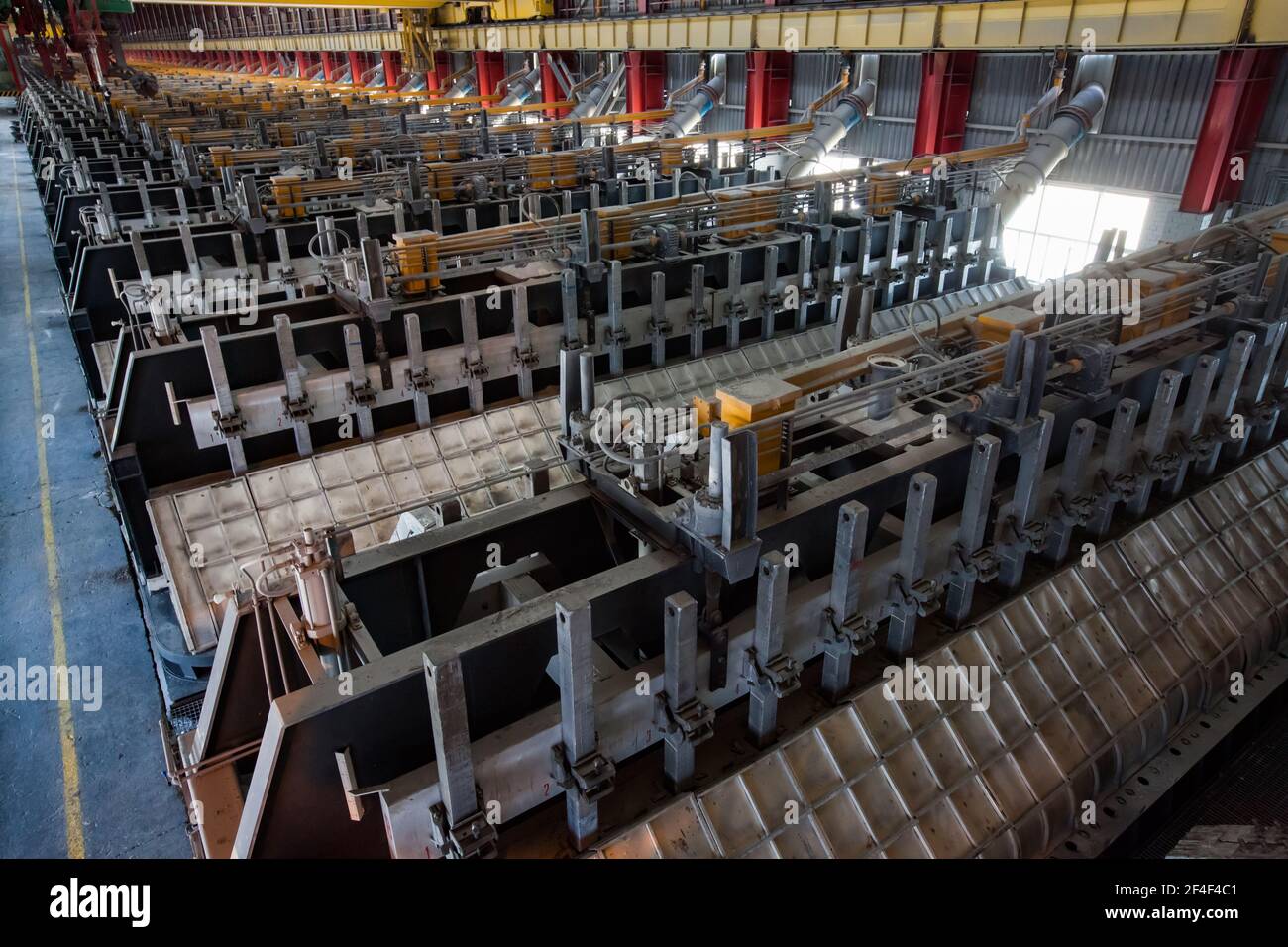
- Supply Constraints: China’s electrolytic aluminum production capacity ceiling is locked at 45 million tons/year, with a net increase of only 200,000 tons in 2025. Overseas new capacities (India, Indonesia) are difficult to flow in due to import price difference restrictions [1].
- Cost Support: Electricity costs account for 30%-40% of electrolytic aluminum costs. Yunnan’s hydropower cost (0.25 CNY/kWh) is significantly lower than Shandong’s thermal power cost (0.4 CNY/kWh), but the overall rise in energy prices has pushed the cost floor to 20,000 CNY/ton [1][3].
- Low-Carbon Premium: The premium for green electricity aluminum reaches 300-500 USD/ton, and carbon tariff policies strengthen cost support [1].
-
Catalysts for Breaking the $3000 Mark
- Geopolitics and Policies: Supply disruptions of bauxite from Guinea (accounting for 47.6% of China’s imports) [1], and growing demand for power grid upgrades in Europe and the US.
- Structural Demand Growth: Driven by new energy vehicles (300 kg of aluminum per vehicle), photovoltaics (aluminum frames account for 70% of metal consumption), and energy storage (installed capacity will reach 180 GW by 2027) [1][4].
- Bauxite: Prices have fallen to 45-65 USD/wet ton (CIF Guinea, down 8% YoY) [1], and high-cost mines are under pressure.
- Alumina: Global overcapacity (1.68 million tons surplus in 2025), prices fell below 3000 CNY/ton, and corporate gross profit margins dropped to around 10% [2][3]. High-cost capacities have been shut down for maintenance, and industry consolidation is accelerating.
- Cost Decline + Price Rise: Alumina prices fell by 12% compared to 2024, pre-baked anode costs decreased, and the full cost of electrolytic aluminum dropped to 16,000-16,400 CNY/ton, while the aluminum price center shifted up to 20,600-21,500 CNY/ton, expanding the profit margin per ton of aluminum [1][4].
- Enterprise Performance:
- Alcoa (AA): Stock price rose by 128.56% from 2024 to 2025 [0], and gross profit margin benefited from the low-carbon aluminum premium.
- Chinese Aluminum Enterprises: Aluminum Corporation of China (601600.SS) saw its stock price rise by 115.52% YoY [0], and Yunnan Aluminum Co., Ltd. (000807.SZ) rose by 169.84% YoY [0], benefiting from the cost advantage of hydropower aluminum and full-capacity operation [1].
- Aluminum Processing Enterprises: Demand for construction profiles is flat, but growth in industrial profiles, cables, and alloys is outstanding [1], and some enterprises can transfer costs through price adjustments.
- Impact on Terminal Industries:
- Automotive and Photovoltaics: New energy vehicle and photovoltaic industries are less sensitive to aluminum prices (high-value-added products), but traditional car companies face cost pressure (aluminum accounts for 15%-20% of body costs) [4].
- Packaging and Construction: Profits in the aluminum can (aluminum prices account for 60% of costs) and construction aluminum formwork industries are squeezed, and some small and medium-sized enterprises have reduced production [4].
- China: The “45 million tons ceiling” policy locks in supply, and low-cost hydropower aluminum enterprises (Yunnan, Inner Mongolia) have the largest profit elasticity [1].
- Europe and the US: High energy costs (European electricity prices are twice that of China), electrolytic aluminum capacity continues to exit, relying on imported aluminum ingots, and downstream manufacturing industries face greater cost pressure [1][3].
- Emerging Markets: New capacity in India and Indonesia is being put into operation slowly, and it is difficult to ease global supply tightness in the short term [1].
-
Scenarios After Breaking $3000:
- Optimistic Scenario: If geopolitical conflicts intensify or new energy demand exceeds expectations, aluminum prices may stabilize above $3000, and the profit margins of electrolytic aluminum enterprises will further expand.
- Risk Scenario: If alumina overcapacity intensifies (surplus expands in 2026) or global economic recession leads to demand decline, aluminum prices may pull back below $2700 [2].
-
Long-Term Structural Trends:
- Accelerated Aluminum Substitution for Copper: After the copper-aluminum price ratio breaks through 4, the demand for aluminum to replace copper in cables, radiators, and other fields rises [4].
- Sustained Low-Carbon Premium: With the implementation of the EU Carbon Border Adjustment Mechanism (CBAM), the premium for green electricity aluminum may expand to more than 500 USD/ton [1].
- Focus on Low-Cost Capacity Enterprises: Yunnan hydropower aluminum (e.g., Yunnan Aluminum Co., Ltd.) and coal-electricity integration enterprises (e.g., Shenhuo Group) [1][4].
- Avoid High-Cost Alumina Capacity: Industry clearance is accelerating, and leading enterprises (Aluminum Corporation of China, China Hongqiao) are increasing their market share [2].
- Diversified Downstream Layout: Enterprises in high-growth fields such as automotive lightweight materials, photovoltaic brackets, and energy storage boxes have anti-cyclical capabilities [4].
[0] Jinling API Data
[1] Analysis of Competitive Pattern and Investment Opportunities in the Electrolytic Aluminum Industry in 2025 - Caifuhao. https://caifuhao.eastmoney.com/news/20251230160948497359920
[2] Sudden Limit-Up! How Far Can Alumina’s “Policy Bull” Run? - Jiemian News. https://m.jiemian.com/article/13814816.html
[3] Continuation of Wide Volatility Pattern in the Aluminum Market with Resonance - 2025 Aluminum Industry Chain Market Review and Outlook - China Metal Scrap Network. https://www.chinascrap.com/topic/topic_view?key=182405
[4] Electrolytic Aluminum Prices Remain Strong; Aluminum Corporation of China and Others Are Expected to Expand Profit Margins - QQ News. https://news.qq.com/rain/a/20251221A04EGQ00
Insights are generated using AI models and historical data for informational purposes only. They do not constitute investment advice or recommendations. Past performance is not indicative of future results.
About us: Ginlix AI is the AI Investment Copilot powered by real data, bridging advanced AI with professional financial databases to provide verifiable, truth-based answers. Please use the chat box below to ask any financial question.