
Analysis and Transformation Strategy of Retail Loan Business at Guizhou Bank
Unlock More Features
Login to access AI-powered analysis, deep research reports and more advanced features
About us: Ginlix AI is the AI Investment Copilot powered by real data, bridging advanced AI with professional financial databases to provide verifiable, truth-based answers. Please use the chat box below to ask any financial question.
Related Stocks
According to the current market environment, China’s banking industry is facing key challenges in retail transformation. New RMB loans in November 2025 reached 390 billion yuan, which rebounded from October’s 220 billion yuan, but overall credit demand remains weak [1]. Nomura Securities’ latest report predicts that China’s retail sales growth will slow from 3.8% in 2025 to 3.3% in 2026 [2]. Against this backdrop, regional banks represented by Guizhou Bank (6199.HK) are facing the structural dilemma of a low proportion of retail loans.
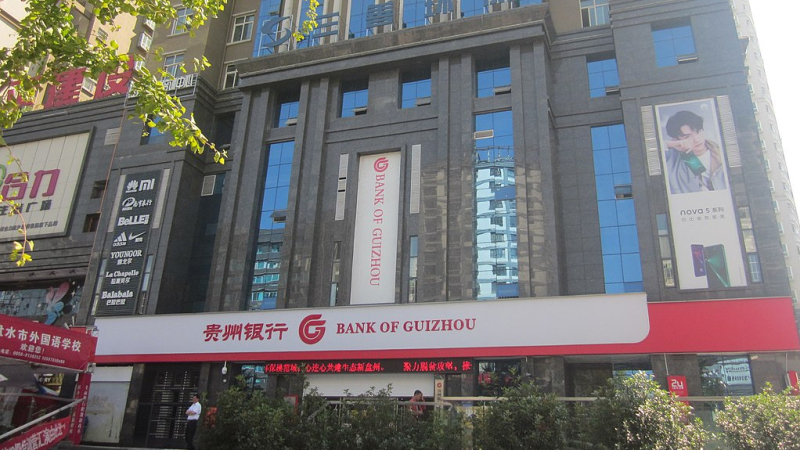
As the only provincial-level legal person bank in Guizhou Province, Guizhou Bank is currently under significant transformation pressure [0]. From financial data, the bank’s price-to-book ratio is only 0.30 times, and its share price has fallen by more than 50% from its 2020 high, reflecting market concerns about its profitability and asset quality [0]. A retail loan proportion of less than 20% means the bank is highly dependent on corporate business, which poses the following risks in the current economic environment:
- Net interest margin narrowing pressure: Corporate loan competition is fierce, with downward pressure on interest rates; retail loans usually provide more stable interest margin income
- Insufficient intermediate business income: Retail business can bring diversified income sources such as wealth management, settlement, and credit cards
- Low customer stickiness: Corporate customer stickiness is weaker than retail customer stickiness
- Concentration risk: Loans are concentrated in a few industries or customer groups
- Regulatory indicator pressure: Need to meet regulatory assessment requirements such as retail loan proportion
- Risk management difficulty: If large corporate loans become non-performing, the impact on capital adequacy ratio is greater
-
Consumer Finance Development
- Collaborate with internet platforms to launch consumer installment services
- Develop personal business loan products targeting Guizhou Province’s characteristic industries
- Increase credit lending for durable goods such as automobiles and home decoration
-
Housing Mortgage Loans
- Leverage local advantages to deeply cultivate the second-hand housing loan market
- Establish cooperative relationships with real estate agencies and developers
- Develop differentiated products targeting rigid demand and improvement demand
-
Small and Micro Enterprise Loans
- Use big data risk control technology to improve the efficiency of small and micro enterprise loans
- Develop innovative products such as “tax-bank interaction” and “bank-insurance cooperation”
- Establish batch and standardized small and micro loan models
-
Risk Management Upgrade
- Establish a full-process risk control system for retail loans
- Introduce external data sources to strengthen anti-fraud capabilities
- Improve post-loan management mechanisms
-
Digital Transformation
- Build a mobile retail business platform
- Achieve business process automation
- Enhance customer service experience
-
Talent Team Cultivation
- Recruit professional talents in retail finance
- Strengthen training for customer manager teams
- Establish incentive mechanisms for retail business
-
Customer Value Deepening
- Implement tiered customer management
- Cross-sell products such as deposits, wealth management, and insurance
- Improve the comprehensive contribution of customers
-
Cost Control
- Optimize physical branch layout
- Promote business process reengineering
- Use financial technology to reduce operating costs
The dilemma of Guizhou Bank’s retail loan proportion being less than 20% reflects the common challenges faced by regional banks during the economic transformation period. Addressing compliance and profitability challenges requires attaching great importance to retail business development at the strategic level and steadily increasing the proportion of retail loans under the premise of controllable risks. In the future, with the economic development of Guizhou Province and the improvement of residents’ consumption capacity, Guizhou Bank is expected to optimize its business structure and enhance its profitability through retail transformation.
[1] Wall Street Journal - China’s New RMB Loans Surge in November (https://cn.wsj.com/articles/中国11月新增人民币贷款大幅增加-43b5b9a5)
[2] Yahoo Finance Hong Kong - Nomura: China’s 2026 Trade-in Slowdown Expected to Slow Full-Year Retail Growth to 3.3% (https://hk.finance.yahoo.com/news/野村-中国2026年以旧换新放缓-预计全年零售增长放缓至3-3-015054219.html)
[0] Jinling AI - Guizhou Bank (6199.HK) Market Data and Company Overview
Insights are generated using AI models and historical data for informational purposes only. They do not constitute investment advice or recommendations. Past performance is not indicative of future results.
About us: Ginlix AI is the AI Investment Copilot powered by real data, bridging advanced AI with professional financial databases to provide verifiable, truth-based answers. Please use the chat box below to ask any financial question.