
Contrarian Investment Strategy Analysis: Market Losers as Winning Opportunities
Unlock More Features
Login to access AI-powered analysis, deep research reports and more advanced features
About us: Ginlix AI is the AI Investment Copilot powered by real data, bridging advanced AI with professional financial databases to provide verifiable, truth-based answers. Please use the chat box below to ask any financial question.
Related Stocks
This analysis is based on the MarketWatch report by Mark Hulbert [1] published on November 10, 2025, which examines why buying the biggest stock-market losers can be a winning strategy through contrarian investing principles.
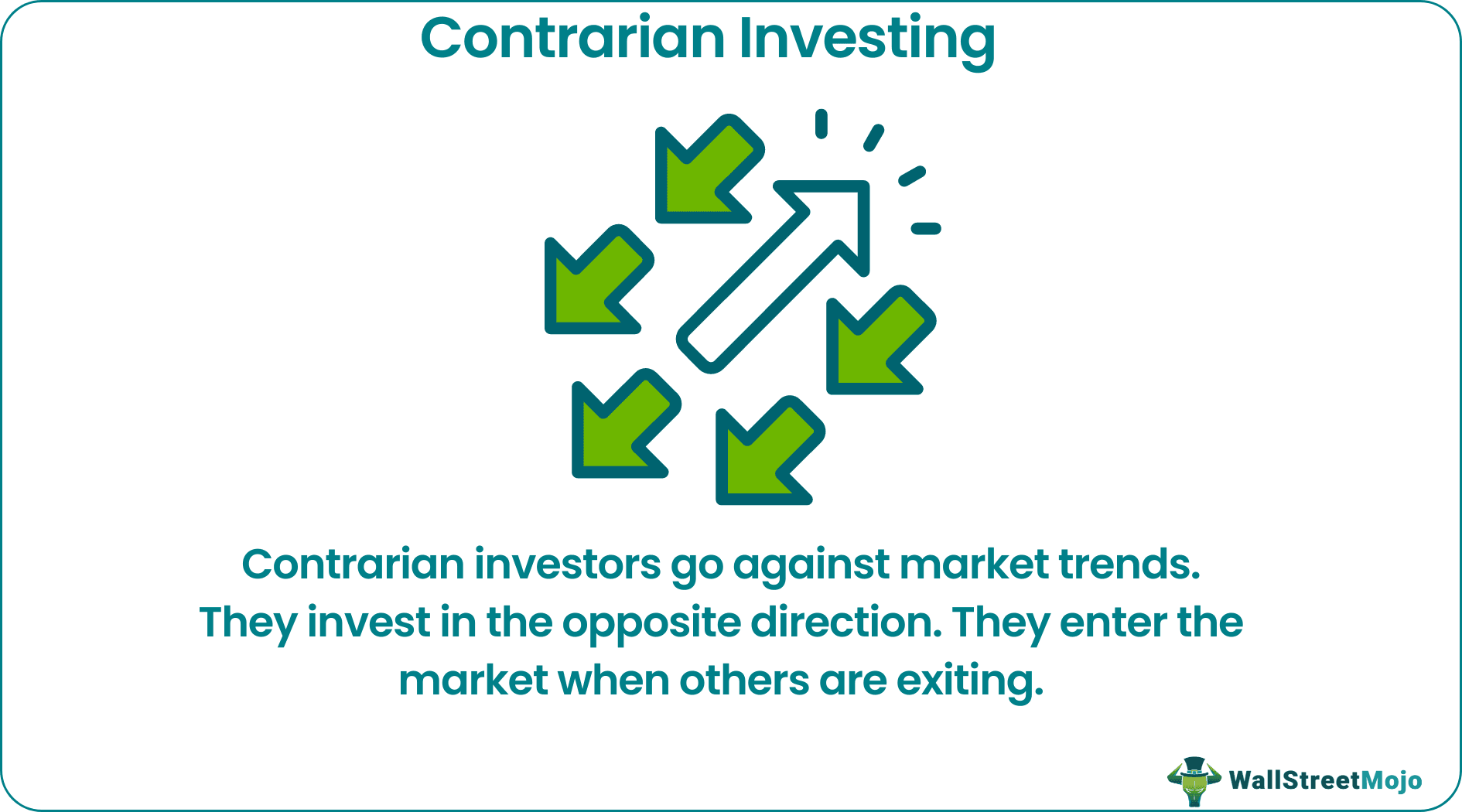
The contrarian investment strategy is supported by substantial historical evidence from Dartmouth’s Ken French data, showing that a portfolio owning the 10% worst-performing stocks from the prior month produced annualized gains of 13.2% since 1926, outperforming the best-performing decile by 8.9 percentage points [1]. This phenomenon is attributed to the “short-term reversal effect,” where investors systematically overreact to both positive and negative news, creating opportunities for mean reversion [1].
The strategy’s effectiveness stems from behavioral finance principles - investors tend to extrapolate recent trends too far into the future, creating mispricing opportunities. When bad news causes excessive selling, contrarian investors can capitalize on the overreaction, assuming the underlying fundamentals remain intact.
The current market environment presents several contrarian opportunities, particularly in stocks that have experienced significant recent declines:
The broader market context shows mixed performance, with the S&P 500 down 0.31% and NASDAQ Composite down 0.77% on November 12, 2025, following earlier gains [0]. This volatility environment may enhance contrarian opportunities as investors react to short-term news flows.
However, not all declining stocks represent viable contrarian opportunities. The analysis reveals significant risk factors:
The historical performance of contrarian strategies spans nearly a century, but current market dynamics differ significantly. The rise of algorithmic trading, ETF dominance, and instantaneous information dissemination may affect the strategy’s effectiveness. Modern markets may correct mispricing more quickly, reducing the window for contrarian opportunities.
While the article assumes transaction costs would equally impact both contrarian and momentum portfolios [1], this may not hold true. Stocks experiencing significant declines often face reduced liquidity, wider bid-ask spreads, and higher transaction costs that can erode returns. This is particularly relevant for retail investors with limited access to optimal execution venues.
The strategy’s effectiveness varies significantly by holding period. Research by Jegadeesh and Titman shows momentum effects dominate in shorter timeframes (3-12 months), while reversal effects become more pronounced over longer periods [3]. This suggests contrarian investors need patience and discipline to withstand continued short-term losses while waiting for mean reversion.
-
Structural Decline Risk: Extended underperformance periods (5+ years) for both PayPal and Comcast suggest potential fundamental business model challenges rather than temporary market disfavor [0].
-
Sector Disruption Acceleration: Payment processing and media industries face rapid technological change and competitive pressure that may permanently alter growth trajectories and profit margins.
-
Liquidity Premium Erosion: Declining stocks often experience reduced trading volumes, increasing transaction costs and potentially limiting exit options during market stress.
-
Psychological Barriers: Contrarian investing requires emotional discipline to buy assets others are selling aggressively, which many investors find difficult to maintain during periods of continued losses.
-
Mean Reversion Potential: Historical data suggests the short-term reversal effect remains persistent, with the worst 10% monthly performers generating significant alpha over long periods [1].
-
Valuation Discounts: Both highlighted stocks trade at substantial discounts to historical averages and analyst targets, potentially offering margin of safety for patient investors [0].
-
Market Overreaction: Recent market volatility and AI valuation concerns [2] may create exaggerated selling pressure in quality companies temporarily out of favor.
Successful contrarian investing requires:
- Comprehensive Fundamental Analysisto distinguish between temporarily depressed and fundamentally broken companies
- Diversificationacross multiple contrarian positions to reduce single-stock risk
- Clear Entry and Exit Criteriabased on valuation metrics, not just price declines
- Patience and Long-term Perspectiveto withstand continued short-term volatility
The MarketWatch analysis presents compelling evidence for contrarian investing strategies, supported by nearly a century of historical performance data showing the worst 10% monthly performers generated 13.2% annualized returns since 1926 [1]. Current opportunities exist in PayPal and Comcast, both trading at significant valuation discounts with strong underlying profitability metrics [0].
However, the analysis reveals important caveats: both stocks have experienced extended multi-year declines suggesting potential structural challenges, and sector-specific disruption risks may affect long-term recovery prospects [0]. The strategy requires careful implementation with proper risk management, diversification, and emotional discipline.
Decision-makers should evaluate contrarian opportunities through comprehensive fundamental analysis, considering both mean reversion potential and structural decline risks. The strategy’s effectiveness depends on distinguishing between temporary market overreaction and permanent fundamental deterioration - a distinction that requires thorough research and ongoing monitoring of business fundamentals and competitive dynamics.
Insights are generated using AI models and historical data for informational purposes only. They do not constitute investment advice or recommendations. Past performance is not indicative of future results.
About us: Ginlix AI is the AI Investment Copilot powered by real data, bridging advanced AI with professional financial databases to provide verifiable, truth-based answers. Please use the chat box below to ask any financial question.