
Popular Stock Analysis: Vanke Enterprise (02202.HK) Debt Crisis and Market Impact
Unlock More Features
Login to access AI-powered analysis, deep research reports and more advanced features
About us: Ginlix AI is the AI Investment Copilot powered by real data, bridging advanced AI with professional financial databases to provide verifiable, truth-based answers. Please use the chat box below to ask any financial question.
Related Stocks
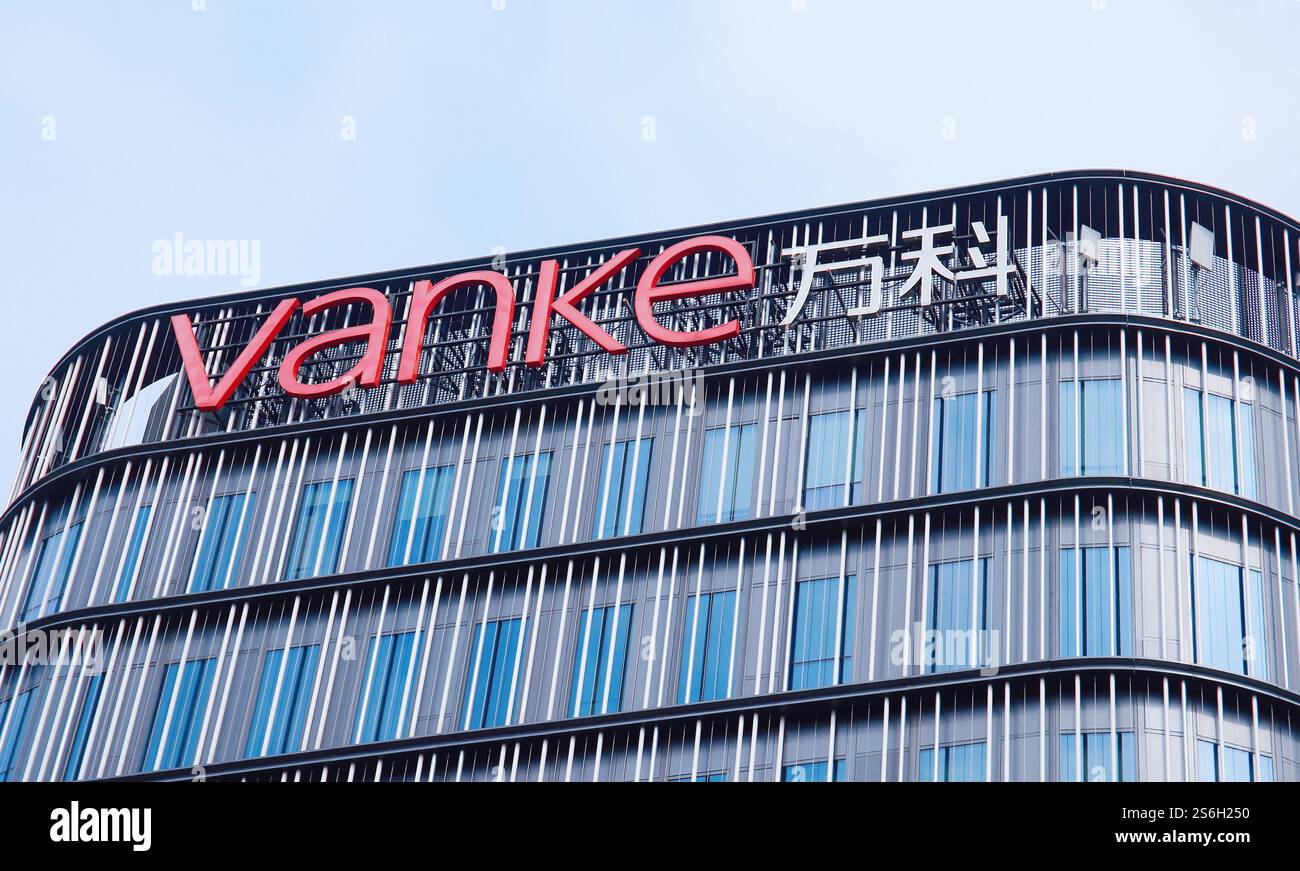
Vanke Enterprise (02202.HK) is a leading enterprise in China’s real estate development sector. On January 1, 2026 (event timestamp), the Hong Kong Stock Exchange was closed for the New Year’s Day holiday, so real-time trading data for that day could not be obtained.
Vanke became a popular stock due to
- Corporate Debt Risk: According to AP News, Vanke narrowly avoided default on a 2 billion RMB bond on December 24, 2025, and sought to extend 3.7 billion RMB of onshore debt until February 2026 [2][3]. As of the end of September 2025, Vanke’s cash reserves were approximately 60 billion RMB, while its short-term debt reached 151 billion RMB (data from Fitch Ratings) [2], and it will face bond maturity pressure of over 9.4 billion RMB in the next 6 months (data from S&P Global) [3].
- Industry Policy Expectations: The Central Economic Work Conference held on December 10-11, 2025 listed “stabilizing the real estate market” as a priority for the 2026 economy [1]. This policy triggered overall attention to the real estate sector, and Vanke’s debt issues as a leading enterprise amplified market discussions on the policy effect.
Since the market was closed that day, there was no real-time trading data, but based on the event timeline and industry background, we can infer:
- After the debt event was disclosed, Vanke’s stock may face selling pressure [2][3].
- Trading volume may increase significantly, reflecting investors’ concerns about debt risks [0].
- Institutional and investor attention has increased, with a negative short-term outlook [2][3].
- Industry Chain Risk: As a leading developer with a “quasi-state-owned enterprise” background, Vanke’s debt issues may weaken market confidence in the credit of Chinese real estate enterprises overall, triggering industry chain reactions [3].
- Uncertainty in Policy Effect: Although the stabilization policy of the Central Economic Work Conference brought expectations, Vanke’s debt crisis highlights the uncertainty in the implementation effect of the policy [1][2].
- Core Position of Liquidity Pressure: The huge gap between short-term debt and cash reserves is the most direct risk Vanke faces currently; subsequent debt extension or financing progress will determine the direction of its default risk [2][3].
- Liquidity Risk: Short-term debt (151 billion RMB) is far higher than cash reserves (60 billion RMB); if debt extension or financing fails, default risk may rise again [2].
- Industry Downturn Risk: China’s real estate market still faces pressure from high inventory and weak demand, and policy effects are uncertain [1].
- Credit Risk: Vanke’s debt issues may affect the market’s credit rating of the entire real estate industry [3].
- Policy Support Window: The central government has listed stabilizing the real estate market as a priority; specific policy measures that may be introduced later could bring support to Vanke [1].
Vanke Enterprise (02202.HK) became a popular stock on January 1, 2026, with the core reason being its debt default risk and extension event disclosed in December 2025, combined with the background of China’s government real estate stabilization policies. Although the Hong Kong market was closed that day, the market still paid high attention to its liquidity pressure, debt extension progress, and potential impact on the industry. Investors need to closely monitor the opening price on the next trading day (January 2, 2026), debt extension progress, and changes in cash flow [2][3].
Insights are generated using AI models and historical data for informational purposes only. They do not constitute investment advice or recommendations. Past performance is not indicative of future results.
About us: Ginlix AI is the AI Investment Copilot powered by real data, bridging advanced AI with professional financial databases to provide verifiable, truth-based answers. Please use the chat box below to ask any financial question.