
Analysis of the Debasement Trade’s Potential Systemic Impact in 2026
Unlock More Features
Login to access AI-powered analysis, deep research reports and more advanced features
About us: Ginlix AI is the AI Investment Copilot powered by real data, bridging advanced AI with professional financial databases to provide verifiable, truth-based answers. Please use the chat box below to ask any financial question.
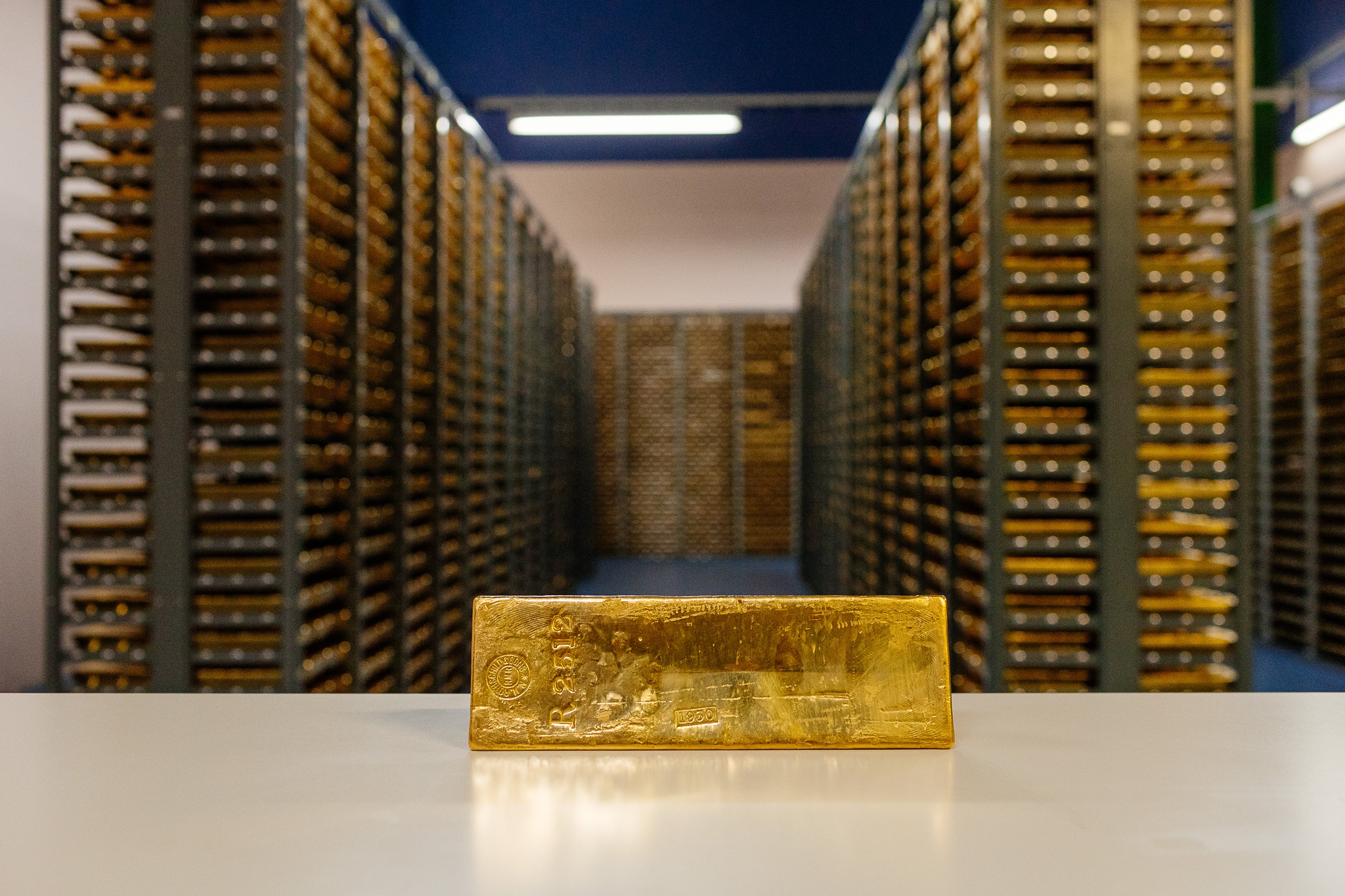
The debasement trade, rooted in fears of financial repression (government policies to reduce debt burdens via inflation or suppressed rates), emerged in 2025 following the Fed’s Jackson Hole symposium, triggering a surge in precious metals (gold over $4,200/oz by December 2025 [0]). This trend reflects investor concerns that persistent fiscal deficits, debt monetization, and liquidity injections will erode fiat currency value [2]. As of late 2025, market dynamics reveal a paradox: while the S&P 500 reached a record high (driven by AI stocks and Fed rate cut expectations [0]), the bond market shows elevated volatility with a near four-year wide two-year/30-year yield spread [0], and the U.S. dollar (DXY) hovers near 99—weaker than recent peaks [0]. The Seeking Alpha article [1] warns this trade could expand to bonds and currencies in 2026, potentially disrupting all asset classes.
- Contrasting Sentiments: Short-term optimism (S&P 500 record highs) coexists with long-term bearishness (debasement trade concerns), creating a fragile market equilibrium that could shift rapidly.
- Structural Drivers: The trade is not temporary but fueled by persistent fiscal deficits and debt monetization [2], implying long-term inflationary pressures and currency devaluation risks.
- Cross-Asset Linkages: A spread to bonds could raise yields and reduce bond prices, while currency weakening may benefit exporters but harm importers, amplifying market volatility.
- Systemic Shock: Expansion to bonds and currencies could cause synchronized asset class corrections, leading to market dislocations.
- Bond Market Stress: Rising yields may pressure long-term bondholders.
- Stock Market Correction: Current AI and rate-cut driven gains could reverse if investors shift to safe havens.
- Inflationary Pressure: A weaker U.S. dollar may increase import costs and inflation.
- Safe-Haven Assets: Precious metals (gold, silver), real estate, and crypto may benefit from demand for value-preserving assets.
- Exporter Advantage: U.S. exporters could gain from a weaker dollar, enhancing global competitiveness.
The debasement trade, initiated in 2025 with a precious metals surge, poses potential systemic risks in 2026 if it spreads to bonds and currencies. Current market metrics include gold over $4,200/oz, DXY near 99, S&P 500 at 6,932.05, and a widening bond yield spread [0]. Driven by financial repression fears and structural fiscal issues [2], the trade highlights the need for monitoring Fed policy, fiscal deficits, inflation, and bond/currency movements to assess evolving risks.
Insights are generated using AI models and historical data for informational purposes only. They do not constitute investment advice or recommendations. Past performance is not indicative of future results.
About us: Ginlix AI is the AI Investment Copilot powered by real data, bridging advanced AI with professional financial databases to provide verifiable, truth-based answers. Please use the chat box below to ask any financial question.