
Climate Change Investment Trends: Stock Market Pricing Analysis and Clean Energy Sector Performance
Unlock More Features
Login to access AI-powered analysis, deep research reports and more advanced features
About us: Ginlix AI is the AI Investment Copilot powered by real data, bridging advanced AI with professional financial databases to provide verifiable, truth-based answers. Please use the chat box below to ask any financial question.
Related Stocks
This analysis is based on a Reddit discussion [Event timestamp: 2025-11-09 07:06:25 UTC] examining whether the stock market’s growing focus on climate change reflects genuine environmental conviction or follows capital flows toward subsidized industries and AI-driven energy demand. The market data provides strong validation of climate-related investment trends, with clean energy sectors significantly outperforming broader markets through multiple pricing channels.
The stock market has demonstrated clear climate change pricing through exceptional sector performance:
- Constellation Energy (CEG): +58.31% YTD with $111.96B market cap [0]
- NextEra Energy (NEE): Strong performance with $172.78B market cap [0]
- GE Vernova (GEV): Significant gains with $156.04B market cap [0]
The market’s climate pricing reflects both genuine risk assessment and practical factors:
The market is pricing climate change through three primary channels:
-
Direct Clean Energy Investment: ICLN’s 54.51% YTD gain [0] demonstrates significant capital flows to climate solutions.
-
Nuclear Renaissance: Constellation Energy’s 58.31% performance [0] reflects market recognition of nuclear power as carbon-free baseload for AI-driven demand.
-
Infrastructure Plays: GE Vernova’s gains [0] show investors betting on electrification and grid upgrade requirements.
Despite strong performance,
The Reddit discussion correctly identifies the nuanced motivations behind climate investing. While genuine climate risk assessment drives some flows, practical factors like AI datacenter demand and policy subsidies create complex investment dynamics that may not reflect pure environmental conviction.
The voluntary carbon market stabilized at
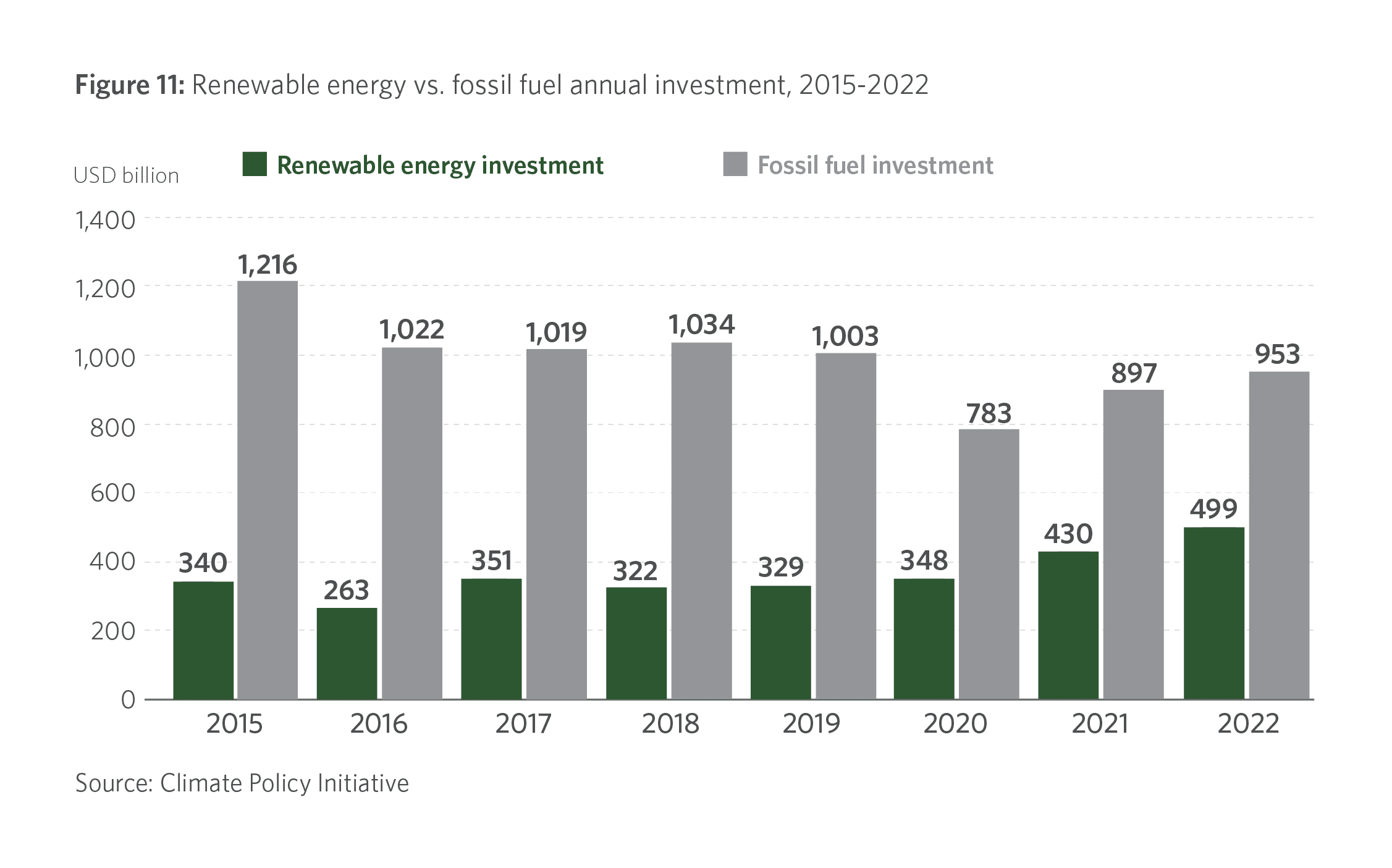
The stock market is actively pricing climate change through multiple validated channels, with clean energy sectors significantly outperforming broader markets. This pricing reflects both genuine climate risk assessment and practical factors like AI datacenter energy demand. While substantial investment flows continue, with ESG assets projected to reach $53 trillion by 2025 [3], market efficiency concerns persist, with 68% of professionals believing climate risk remains mispriced [4]. The market appears to be in a transitional phase, balancing between speculative flows and fundamental climate risk integration.
Key monitoring priorities include carbon price trajectories, corporate climate transition plan execution, technology breakthroughs, and regulatory changes affecting ESG disclosure requirements. The complex interplay between environmental conviction and practical investment drivers suggests climate-related investing will remain a dynamic market force.
Insights are generated using AI models and historical data for informational purposes only. They do not constitute investment advice or recommendations. Past performance is not indicative of future results.
About us: Ginlix AI is the AI Investment Copilot powered by real data, bridging advanced AI with professional financial databases to provide verifiable, truth-based answers. Please use the chat box below to ask any financial question.