
Analysis of Trump's Consideration to Sue Fed Chair Powell for Alleged "Gross Incompetence"
Unlock More Features
Login to access AI-powered analysis, deep research reports and more advanced features
About us: Ginlix AI is the AI Investment Copilot powered by real data, bridging advanced AI with professional financial databases to provide verifiable, truth-based answers. Please use the chat box below to ask any financial question.
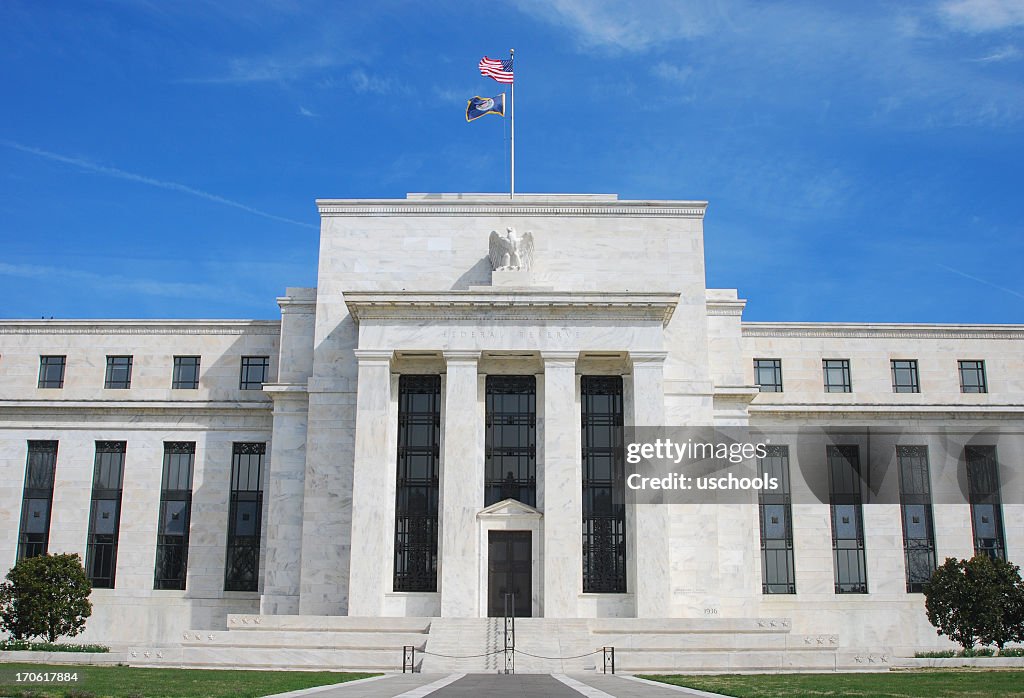
On December 29, 2025, President Donald Trump revealed consideration of a lawsuit against Federal Reserve (Fed) Chair Jerome Powell for alleged “gross incompetence,” first reported on CNBC’s Closing Bell Overtime [1] and later confirmed by The Washington Post [2] and CNN [3]. This announcement challenges the Fed’s statutory independence—a cornerstone of global investor confidence in U.S. monetary policy designed to insulate it from political pressure.
Context includes Trump’s long-standing criticism of Fed rate policy and claims of political bias [0], as well as upcoming timeline details: Trump plans to announce a Fed chair nominee in early 2026, before Powell’s term expires in May 2026 [5]. Fortune’s reporting also frames this as part of broader White House efforts to influence the central bank, noting ongoing tensions with Fed insiders [4]. The event carries a High impact rating due to the direct threat to institutional independence and resulting market uncertainty [0].
- Political-Monetary Policy Nexus: The lawsuit threat underscores escalating executive branch efforts to influence the Fed, risking erosion of the central bank’s non-partisan credibility and global perceptions of U.S. economic leadership.
- Strategic Timing: Preceding Powell’s term expiration and Trump’s planned nominee announcement, the threat may be politically motivated to shape the Fed’s future direction.
- Legal Uncertainty: The absence of specific “gross incompetence” allegations raises questions about the lawsuit’s feasibility, which legal experts will likely clarify in coming days.
- Market Sensitivity: Historical data [0] links threats to Fed independence to increased volatility in equities, Treasury yields, and the U.S. dollar, as investors reassess monetary policy expectations.
- Short-Term Market Volatility: Uncertainty about Fed independence could trigger fluctuations in asset prices, including major equity indices and bonds.
- Eroded Institutional Independence: Further executive actions targeting the Fed may weaken its ability to make data-driven policy decisions, risking long-term economic stability.
- Investor Confidence Decline: Global investors may reassess U.S. asset exposure if they perceive the Fed as politically compromised.
- Reinforced Independence Boundaries: Legal and congressional debates could clarify and strengthen the Fed’s statutory independence, providing long-term investor clarity.
- Selective Investment Opportunities: Short-term volatility may create opportunities for stakeholders able to navigate market uncertainty, though this carries inherent risk.
On December 29, 2025, President Trump announced consideration of a lawsuit against Fed Chair Powell for alleged “gross incompetence” [1], challenging the Fed’s statutory independence. Context includes prior Fed criticism, upcoming nominee announcements, and Powell’s May 2026 term expiration [5]. The event carries High impact due to elevated market uncertainty [0]. Immediate actions include monitoring official statements (White House, Fed) and market volatility, while follow-up areas focus on specific allegations, legal feasibility, and responses from congressional leaders, Fed officials, and global policymakers.
Insights are generated using AI models and historical data for informational purposes only. They do not constitute investment advice or recommendations. Past performance is not indicative of future results.
About us: Ginlix AI is the AI Investment Copilot powered by real data, bridging advanced AI with professional financial databases to provide verifiable, truth-based answers. Please use the chat box below to ask any financial question.