
Analysis of Nike's DTC Strategy Struggles and the Restart of Wholesale Channels
Unlock More Features
Login to access AI-powered analysis, deep research reports and more advanced features
About us: Ginlix AI is the AI Investment Copilot powered by real data, bridging advanced AI with professional financial databases to provide verifiable, truth-based answers. Please use the chat box below to ask any financial question.
Related Stocks
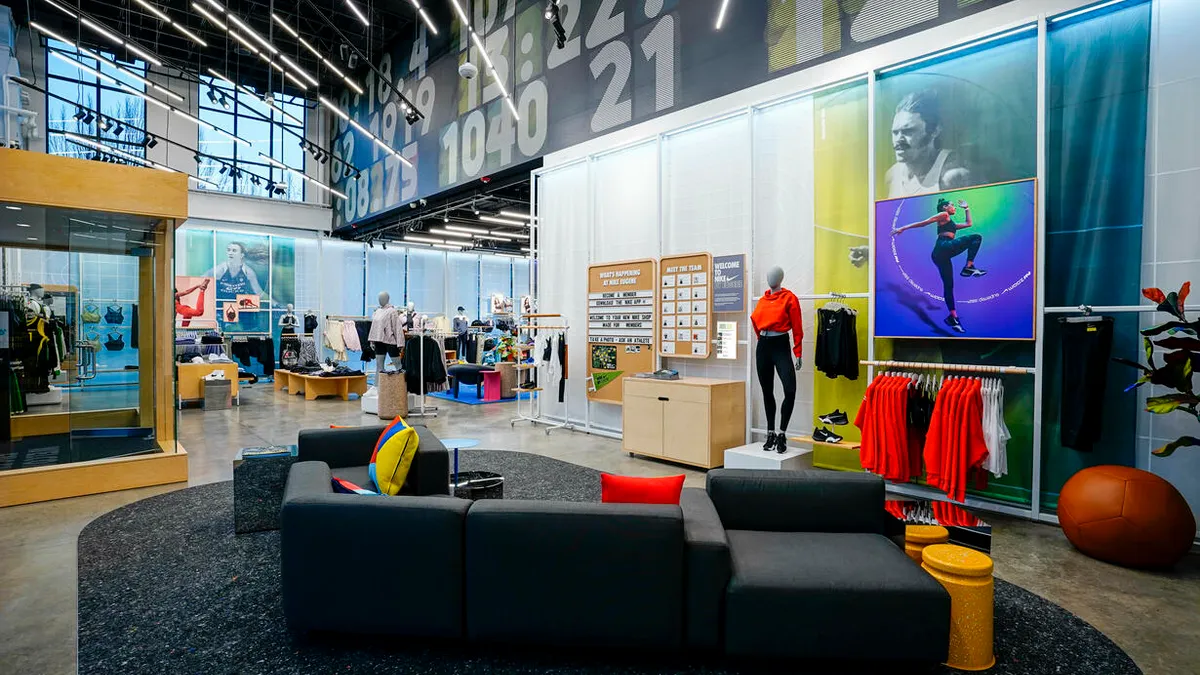
Nike, Inc.'s Direct-to-Consumer (DTC) strategy implemented in recent years is facing significant challenges. As the world’s largest sportswear company, Nike has drastically reduced wholesale partners since 2020, prioritizing the development of owned stores and official website channels. However, the effect of this strategic adjustment has not met expectations, and the company has to re-examine its channel strategy [1][2].
- Stock price: $60.93, down 26% from the 52-week high [0]
- Market capitalization: $90.7 billion
- Decline in the past year: 18.38%, cumulative decline over the past three years: 47.01% [0]
Analysts point out that Nike’s over-reliance on the DTC model has caused it to miss important distribution channels. While DTC improves gross margin, it limits the brand’s market penetration breadth, especially lacking effective reach in the mid-to-low-end market [1].
Owned channels require significant capital investment, including store rent, inventory management, and logistics costs. In contrast, the wholesale model can transfer part of the operational burden to retailers, improving capital efficiency.
The DTC model has extremely high requirements for the accuracy of demand forecasting. Between 2022 and 2023, Nike faced severe inventory overstock issues and had to clear inventory through discount promotions, eroding profit margins.
In the Greater China region, Nike faces the strong rise of local brands (such as Anta and Li-Ning) and pressure from international competitors; the DTC channel is difficult to respond quickly to market changes [2].
- Expand market coverage: Re-partnering with retailers like Foot Locker and DSW can quickly restore reach in the mid-to-low-end market
- Reduce inventory risk: The wholesale model can share inventory pressure and reduce the risk of unsold goods
- Improve capital efficiency: Reduce capital expenditure on owned channels and improve free cash flow
- Increase brand exposure: In-store displays by wholesalers can enhance brand presence
- Gross margin pressure: The gross margin of wholesale channels is usually lower than that of DTC channels
- Decline in channel control: Reliance on third parties may weaken the brand’s pricing power
- Increased difficulty in brand image management: Discount behaviors by wholesalers may affect brand positioning
| Indicator | Value | Evaluation |
|---|---|---|
| Net Profit Margin | 5.43% | Medium-Low |
| Operating Profit Margin | 6.54% | Needs Improvement |
| ROE | 18.45% | Relatively Stable |
| Current Ratio | 2.19 | Good Liquidity |
| Debt Risk | Low | Healthy Financial Condition [0] |
Revenue Composition for FY2025 (ending May 2025):
- Footwear products: $30.97 billion (66.9%)
- Apparel products: $15.27 billion (33.0%)
- Others: $74 million (0.2%) [0]
Latest Ratings from Major Institutions (December 2025):
- Barclays: Equal Weight (Hold)
- Truist Securities: Buy
- B of A Securities: Buy
- Goldman Sachs: Buy [0]
Nike’s restart of wholesale channels is a pragmatic strategic correction. Although it may affect the DTC proportion and overall gross margin in the short term, it will help in the medium and long term: 1. Restore market share and channel coverage; 2. Improve inventory management efficiency; 3. Free up capital for product innovation and brand investment.
- FY2026 Q3 earnings report (to be released on March 19, 2026) will provide the latest verification of the effect of the strategic adjustment [0]
- Recovery progress of China region business
- Product innovation cycle and performance of new hit products
- Weak macroeconomic consumption
- Intensified competition in the sportswear industry
- Impact of exchange rate fluctuations on international business
- Short-term pains during the strategic adjustment period
Nike’s DTC strategy struggles reflect the complexity of channel strategies for consumer goods enterprises. Restarting wholesale channels is a pragmatic move by the company to seek a balance between ideal and reality. Considering its brand value, R&D capabilities, and current valuation level (PE ratio of 35.68x), Nike still has long-term investment value under the premise of controllable risks. Investors should pay close attention to the management’s detailed explanation of the channel strategy in the upcoming earnings report.
[0] Jinling AI Brokerage API Data - Nike (NKE) Real-time Quotes, Company Profile and Financial Analysis
[1] Yahoo Finance - “Nike is Leaning Back Into Wholesale. Some Analysts Say…” (https://finance.yahoo.com/news/nike-leaning-back-wholesale-analysts-163325539.html)
[2] Forbes - “Nike Is Cheap Despite Recent Challenges In China And Product Design” (https://www.forbes.com/sites/gurufocus/2024/12/10/nike-is-cheap-despite-recent-challenges-in-china-and-product-design/)
Insights are generated using AI models and historical data for informational purposes only. They do not constitute investment advice or recommendations. Past performance is not indicative of future results.
About us: Ginlix AI is the AI Investment Copilot powered by real data, bridging advanced AI with professional financial databases to provide verifiable, truth-based answers. Please use the chat box below to ask any financial question.