
AI Boom: Valuation Bubbles, Investment Risks, and Strategies
Unlock More Features
Login to access AI-powered analysis, deep research reports and more advanced features
About us: Ginlix AI is the AI Investment Copilot powered by real data, bridging advanced AI with professional financial databases to provide verifiable, truth-based answers. Please use the chat box below to ask any financial question.
Related Stocks
The following is a comprehensive analysis and evaluation based on the latest data (Jinling API and web search/news):
- Wealth Effect and Valuation Inflation Phenomena
- The AI sector spawned over 50 new billionaires in 2025; among them, a 22-year-old co-founder entered the billionaire ranks via an AI company [1].
- AI startup funding scale surged: market reports show investors poured over $2023 billion into the AI sector, accounting for nearly half of the global venture capital market [1].
- Benchmark cases:
- Anthropic’s valuation rose significantly (public reports indicate it increased from approximately $61.5 billion to $183 billion, according to statistics from Forbes and other media [1]).
- Mercor (AI recruitment platform) completed a funding round at a valuation of approximately $10 billion in October 2025 [1].
- Scale AI and related projects are valued in the billions of dollars range (based on media statistics and estimates [1]).
- Capital Expenditure and Debt Expansion
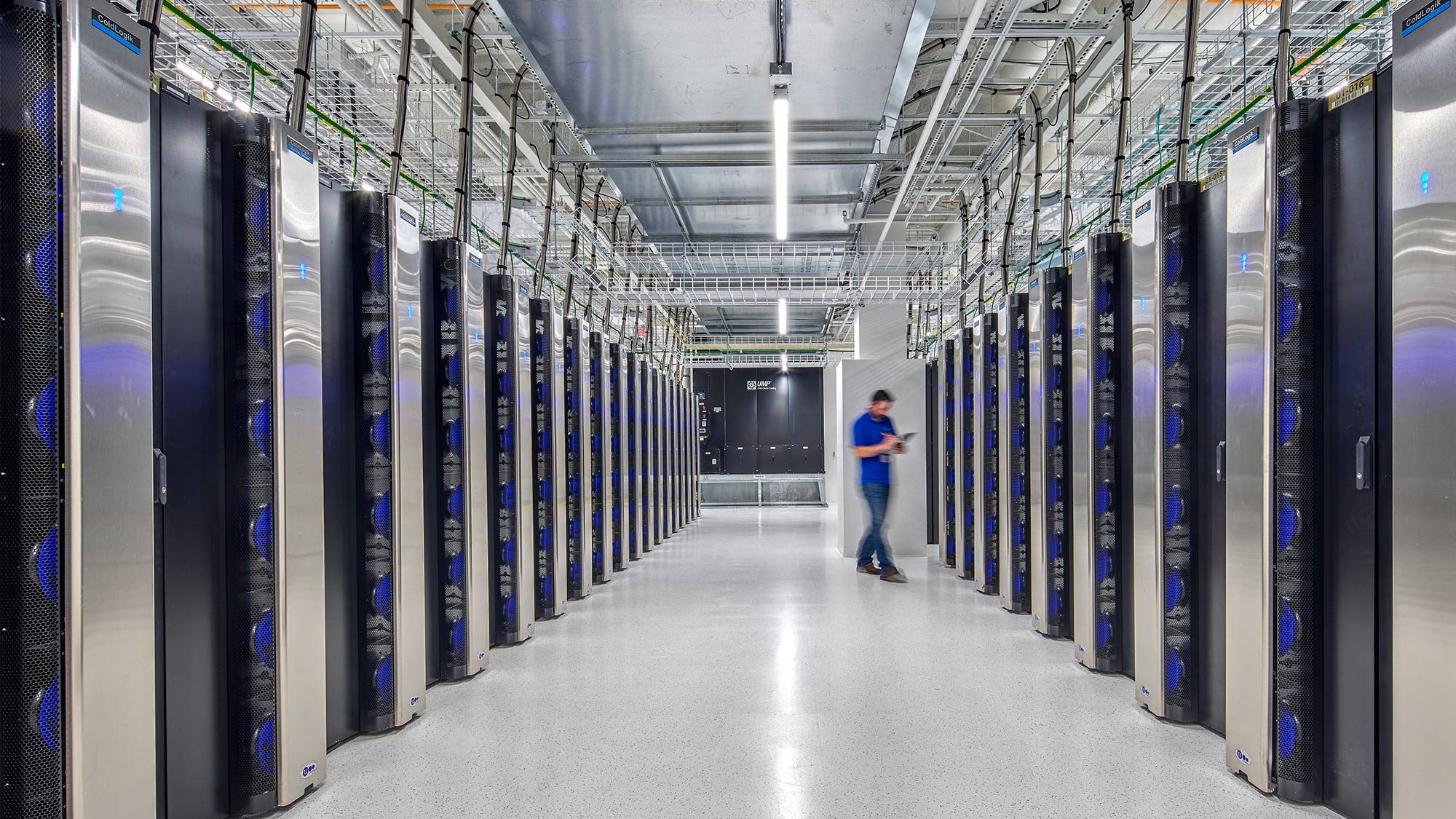
- Some tech companies sharply increased capital expenditure on AI data center construction and infrastructure investment; at the same time, bond issuance scale rose.
- Oracle (ORCL)'s credit risk indicator CDS rose to its highest level since 2009, reflecting market concerns over potential risks from AI-related spending and debt expansion [2].
- Market analysis points out that if AI investment return rates cannot cover the speed of debt growth, credit pressure may further accumulate [2].
- Valuation Pressure Signals
- Public company valuation divergence is obvious:
- NVIDIA (NVDA) has a market capitalization of approximately $4.64 trillion; latest P/E ratio is about 46.72x, higher than the median level; P/B ratio is about 38.98x; 2026 fiscal year consensus target price is approximately $257.50 [0].
- Microsoft (MSFT) has a market capitalization of approximately $3.63 trillion; latest P/E ratio is about 34.55x; 2026 fiscal year consensus target price is approximately $640.00 [0].
- Alphabet (GOOGL) has a market capitalization of approximately $3.78 trillion; latest P/E ratio is about 30.50x; consensus target price is approximately $305.00 (slightly below current price) [0].
- DCF scenarios show: NVDA’s fair value midpoint across three scenarios is significantly lower than current price (base scenario ~$86.33); MSFT’s base scenario is ~$375.23, optimistic scenario is ~$537.97 [0].
Compared with the 2000 internet bubble, the current AI boom has differences in fundamentals and risk structures:
- Demand authenticity: AI chips and data centers have high utilization rates and ongoing shortages, reflecting real demand (web search and industry reports [1]).
- Financial health: Large tech companies have ample cash flow to support capital expenditures, and overall financial health is better than internet companies of that era [1].
- Profitability and cash flow: Leading companies have considerable profits and free cash flow, with the ability to sustain investment (financial reports and industry research [0][1]).
However, vulnerabilities and valuation bubble risks in some areas cannot be ignored:
- Some niche segments have high valuations and unclear profit models (some high-valued startups have not yet formed stable cash flow, and their valuations are based on high growth expectations [1][2]).
- Rising credit risk from debt expansion (e.g., CDS widening for some companies [2]).
- After high funding enthusiasm, if industry growth slows or competition intensifies, valuation corrections and capital reallocation pressure may occur.
The following is a multi-dimensional risk assessment and verification framework:
- Valuation Indicator Verification
- P/E and P/S: Combine historical ranges and industry comparisons to distinguish whether growth has been priced in.
- DCF stress test: Use multi-scenario (low, medium, high) calibration, focusing on the sensitivity of discount rate and perpetual growth rate assumptions.
- Relative valuation: Horizontal comparison with peer companies and historical ranges (e.g., AI infrastructure, cloud services, SaaS, etc.).
- Financial Health
- Cash flow: Whether operating cash flow and free cash flow are sufficient to cover capital expenditures and debt repayment.
- Leverage and liquidity: Debt ratio, interest coverage ratio, short-term debt pressure; beware of excessive leverage.
- Profit quality: Whether revenue growth is sustainable, and whether gross profit margin and net profit margin are stable.
- Business Moat and Competitive Landscape
- Technical barriers: Chip computing power, model capability, data and algorithm network effects.
- Ecological niche: Infrastructure (GPU/TPU/cloud), model layer (MaaS), application layer (industry solutions).
- Customer stickiness and switching costs.
- Technical Route and Policy Risks
- Model iteration speed and open-source competition: Impact of open-source models on closed-source business models.
- Regulation and compliance: Data privacy, model interpretability, and compliance costs.
- Geopolitics: Supply chain, export controls, and market access restrictions.
- Market Sentiment and Liquidity
- Cyclicality of funding enthusiasm and valuation multiples.
- Transmission mechanism between primary and secondary markets (e.g., the impact of valuation reset of high-valued unicorns on market sentiment).
- Return Source Decomposition
- Leading platform companies: Cloud revenue, AI service subscriptions, enterprise product implementation (MSFT, GOOGL, etc. [0]).
- Infrastructure and chips: Data center spending, GPU/TPU demand, supply chain premium (NVDA, etc. [0]).
- Applications and vertical segments: Companies with clear efficiency improvement and user monetization paths (e.g., finance, healthcare, marketing AI applications).
- Investment Recommendations (Stratified by Risk Preference)
- Conservative: Allocate to profitable, cash-flow positive platform and infrastructure companies, controlling valuation and leverage levels.
- Growth-oriented: Seek reasonably valued targets among tech-leading companies with strong data and network effects, focusing on the pace of profit realization.
- Opportunistic: Focus on high-growth but volatile niche application and tool companies, with good position management and stop-loss discipline.
- Portfolio Recommendations
- Long-term allocation: Platform and infrastructure leaders (balancing valuation and cash flow).
- Satellite allocation: Vertical applications and tools with clear business models and implementation paths.
- Hedging and diversification: Moderately add defensive assets to reduce industry concentration.
- Valuation divergence and partial overheating: The AI sector is generally booming, but the matching degree between valuation and fundamentals varies significantly across different fields and companies, and some links have partial bubble risks [0][1][2].
- Fundamental support and long-term value: Leading companies’ profitability, cash flow, and real demand provide support for long-term value; AI’s potential in productivity improvement is still being gradually realized [1][2].
- Risk management is key: It is recommended to enjoy the long-term growth dividends of AI while controlling drawdowns and volatility through valuation verification, cash flow tracking, position management, and portfolio hedging.
- Time dimension: AI investment is a long-cycle theme; short-term valuation fluctuations and sentiment disturbances will bring rhythmic opportunities to increase or decrease positions; the core is to identify which companies can deliver technological dividends and form sustainable profitability.
[0] Jinling API Data (stock prices, financial indicators, valuation and market data, etc.)
[1] Forbes - AI Minted More Than 50 New Billionaires In 2025 (https://www.forbes.com/sites/aliciapark/2025/12/25/ai-minted-more-than-50-new-billionaires-in-2025/)
[2] Yahoo Finance/WSJ/Bloomberg (AI investment, credit risk and market risk signal related reports, such as Oracle CDS rise and AI investment return concerns) (https://hk.finance.yahoo.com/news/ai泡沫要爆-甲骨文风险亮红灯-cds飙破16年高点-180003427.html)
[3] Deloitte Insights Industry Report (2025 AI and Semiconductor Outlook, Demand and Capital Expenditure Trends) (https://www2.deloitte.com)
[4] Reuters/Bloomberg (Industry spending, funding, and competitive landscape related reports)
[5] Morningstar/Brokerage Research (AI and tech sector valuation comparisons and risk warnings)
The above content is for professional analysis and evaluation only and does not constitute investment advice.
Insights are generated using AI models and historical data for informational purposes only. They do not constitute investment advice or recommendations. Past performance is not indicative of future results.
About us: Ginlix AI is the AI Investment Copilot powered by real data, bridging advanced AI with professional financial databases to provide verifiable, truth-based answers. Please use the chat box below to ask any financial question.