
Analysis of the Sustainability of High-Premium Models for Ancient Craft Gold Brands
Unlock More Features
Login to access AI-powered analysis, deep research reports and more advanced features
About us: Ginlix AI is the AI Investment Copilot powered by real data, bridging advanced AI with professional financial databases to provide verifiable, truth-based answers. Please use the chat box below to ask any financial question.
Related Stocks
Based on existing data and market information, I analyze the sustainability of the high-premium model for ancient craft gold brands as follows:
Ancient craft gold brands adopt a ‘fixed price’ pricing strategy, and the price converted to per-gram weight is at least 1-2 times higher than the gold benchmark price. This pricing method results in a gross margin of generally over
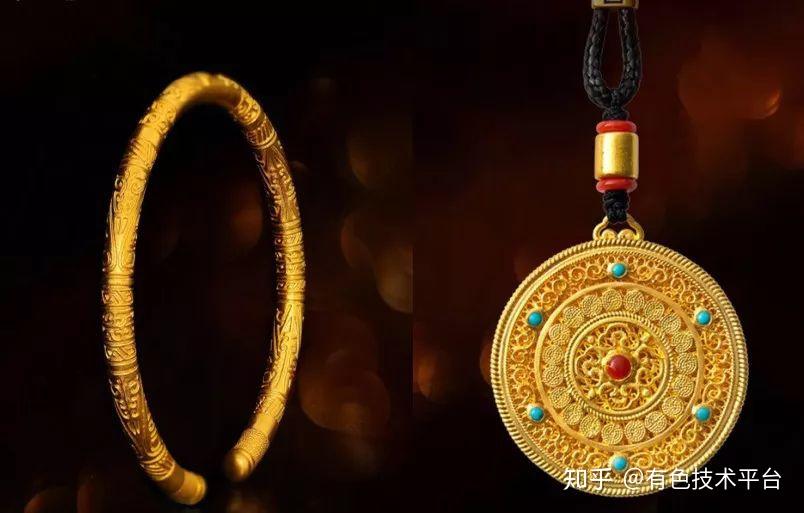
- Craft Premium: Ancient craft gold uses traditional casting techniques, with high manual production costs
- Brand Premium: Brand added value from high-end positioning and cultural attributes
- Design Premium: Unique design language and cultural IP value
-
Support from Rising Gold Prices: In 2025, the gold price rose by approximately 70%, reaching a record high of over $4,500/ounce, providing a price foundation for the high premium [2]
-
Consumption Upgrade Trend: The rise of Guochao culture has led to high acceptance of products with traditional cultural elements among young consumers
-
Increased Industry Concentration: From 2024 to 2025, the number of jewelry stores generally shrank, and the market position of leading brands strengthened [3]
-
Downward Pressure on Gross Margins: Data shows that the gross margins of major brands have been declining since 2019, with brands like Chow Tai Fook seeing their gross margins drop to around 12% [1]
-
Changes in Consumption Environment: Under economic pressure, consumers may return to rationality and pay more attention to cost-effectiveness
-
Intensified Competition: High premiums attract more brands to enter, which may dilute the differentiated advantages of brands
The high-premium model of ancient craft gold brands is
- Short term (1-2 years): Supported by rising gold prices and consumption upgrades, the high-premium model can still be maintained
- Medium term (3-5 years): Attention needs to be paid to changes in gross margins and shifts in consumer purchasing behavior
- Key Success Factors: Deepening of brand moats, craft innovation capabilities, and channel efficiency
It is recommended that investors focus on leading enterprises with brand strength and channel advantages, while being vigilant about profit risks brought by sustained declines in gross margins.
[1] Yahoo Finance - “老铺真是黄金界’爱马仕’” (https://hk.finance.yahoo.com/news/老鋪真是黃金界-愛馬仕-年十倍-113504957.html)
[2] Business Insider - “Gold Still Has Room to Run in 2026” (https://www.businessinsider.com/gold-price-today-record-high-2026-forecast-outlook-2025-12)
[3] Industry store data comparison analysis (Tencent News image material)
Insights are generated using AI models and historical data for informational purposes only. They do not constitute investment advice or recommendations. Past performance is not indicative of future results.
About us: Ginlix AI is the AI Investment Copilot powered by real data, bridging advanced AI with professional financial databases to provide verifiable, truth-based answers. Please use the chat box below to ask any financial question.