
Trading Psychology Books: Critical Analysis of Commercial Content vs. Academic Research
Unlock More Features
Login to access AI-powered analysis, deep research reports and more advanced features
About us: Ginlix AI is the AI Investment Copilot powered by real data, bridging advanced AI with professional financial databases to provide verifiable, truth-based answers. Please use the chat box below to ask any financial question.
This analysis examines the provocative claim that trading psychology books function as psychological operations (psyops) that mask underlying issues rather than solve them. The critique centers on Mark Douglas’ recommendation of a 20-trade sample size for statistical validation, which the author argues is statistically inadequate and confidence-eroding [1]. This perspective warrants examination against both statistical standards and the broader landscape of trading psychology education.
The criticism of Douglas’ 20-trade sample size recommendation has substantial merit from a statistical perspective. Professional quantitative traders typically require sample sizes of 1,000+ trades before achieving confidence in a trading system [1]. Research in behavioral finance consistently emphasizes the importance of adequate sample sizes for establishing statistical significance [6]. Studies examining market anomalies and trading patterns typically utilize hundreds or thousands of data points to identify reliable patterns [6].
The “sample size neglect” bias, identified by Kahneman and Tversky, demonstrates how people frequently draw conclusions from insufficient data [7]. This cognitive bias appears to be exemplified in Douglas’ recommendation, potentially leading traders to make premature judgments about their strategies based on statistically insignificant results. Forum discussions among experienced traders reveal widespread skepticism about small sample sizes, with many preferring 1,000+ trades before strategy validation [1].
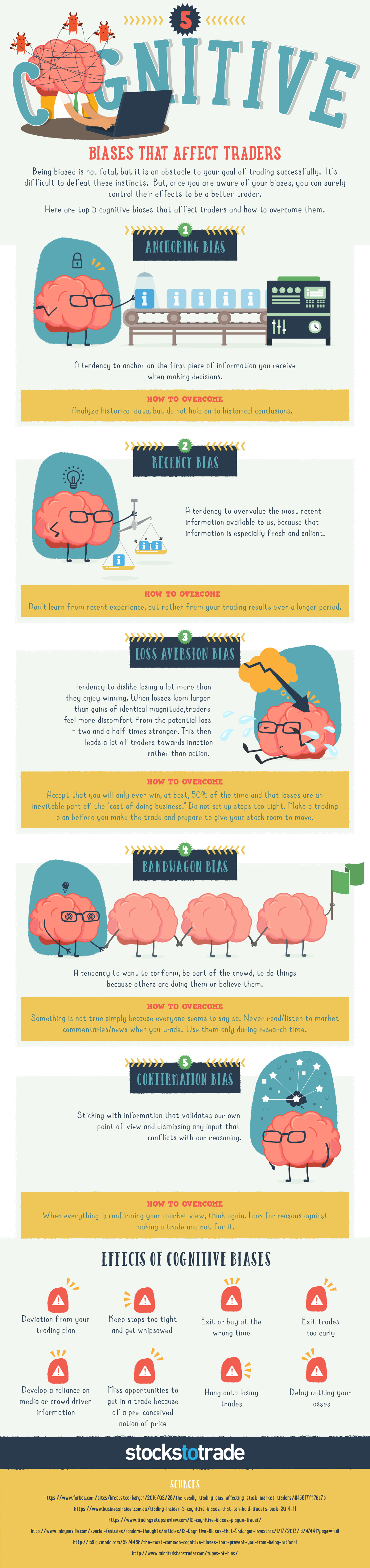
Peer-reviewed behavioral finance research provides a more rigorous foundation for understanding trading psychology than most commercial books. Academic studies have identified specific cognitive biases that systematically affect trading decisions, including loss aversion, overconfidence bias, anchoring bias, and herd mentality [2][3]. These biases are not merely theoretical constructs but have been empirically validated through controlled studies and market data analysis.
Research demonstrates that understanding these cognitive biases can lead to measurable improvements in trading decision-making [3]. Unlike commercial books that often focus on generic advice, academic research identifies specific, testable hypotheses about trading behavior and provides methodologically sound approaches to addressing psychological challenges [2][3]. The academic approach emphasizes evidence-based strategies rather than anecdotal wisdom or marketable platitudes.
The trading psychology book market has become highly commercialized with numerous authors offering similar content [4]. Unlike academic research which undergoes rigorous peer review, commercial books can be published without methodological scrutiny or quality control [4][5]. This creates an environment where psychological advice may be based more on marketability than scientific validity.
The industry has seen proliferation of “psychology experts” without formal psychological training [5]. Quality control varies widely, with some authors having legitimate credentials while others lack formal expertise in psychology or behavioral finance [5]. Commercial pressures may prioritize marketable advice over scientifically validated methods, potentially misleading traders seeking genuine psychological improvement [4][5].
The persistence of inadequate sample size recommendations in popular trading literature highlights a significant statistical literacy gap in the trading education market. Many commercial authors appear to prioritize psychological comfort over statistical rigor, potentially leading traders to make decisions based on insufficient evidence. This gap between statistical best practices and popular advice represents a fundamental flaw in much commercial trading psychology content.
The divide between academic behavioral finance research and commercial trading psychology books reflects a broader tension between evidence-based approaches and anecdotal wisdom. While commercial books often rely on personal experience and appealing narratives, academic research provides methodologically sound insights that can be systematically applied and validated [2][3][6]. This distinction is crucial for traders seeking genuine psychological improvement rather than temporary motivation.
The commercialization of trading psychology creates potential conflicts between market incentives and educational quality. Authors may be incentivized to produce content that sells rather than content that works, leading to oversimplified approaches that appeal to novice traders but lack scientific validity [4][5]. This commercial pressure may contribute to the proliferation of psychologically flawed advice that can erode trader confidence and performance.
- False Confidence: Following statistically inadequate guidance may lead traders to develop false confidence in unproven strategies [1]
- Premature Strategy Abandonment: Inadequate sample sizes may cause traders to abandon viable strategies prematurely due to random short-term results [1]
- Misguided Psychological Development: Commercial psychology content without scientific grounding may create barriers to genuine skill development [4][5]
- Economic Losses: Poor psychological training methods can contribute to the high failure rates observed among retail traders [1]
- Evidence-Based Education: Traders can benefit from focusing on peer-reviewed behavioral finance research rather than commercial books [2][3]
- Statistical Literacy: Improved understanding of statistical methodology can help traders evaluate the validity of trading advice [1][6]
- Quality Resources: Access to academically grounded resources can provide more reliable psychological training [2][3][6]
- Professional Development: Systematic study of cognitive biases can lead to measurable improvements in trading performance [3]
Insights are generated using AI models and historical data for informational purposes only. They do not constitute investment advice or recommendations. Past performance is not indicative of future results.
About us: Ginlix AI is the AI Investment Copilot powered by real data, bridging advanced AI with professional financial databases to provide verifiable, truth-based answers. Please use the chat box below to ask any financial question.