
2026 US Economic Outlook: Fed Policy Risks and Housing Affordability Challenges
Unlock More Features
Login to access AI-powered analysis, deep research reports and more advanced features
About us: Ginlix AI is the AI Investment Copilot powered by real data, bridging advanced AI with professional financial databases to provide verifiable, truth-based answers. Please use the chat box below to ask any financial question.
Related Stocks
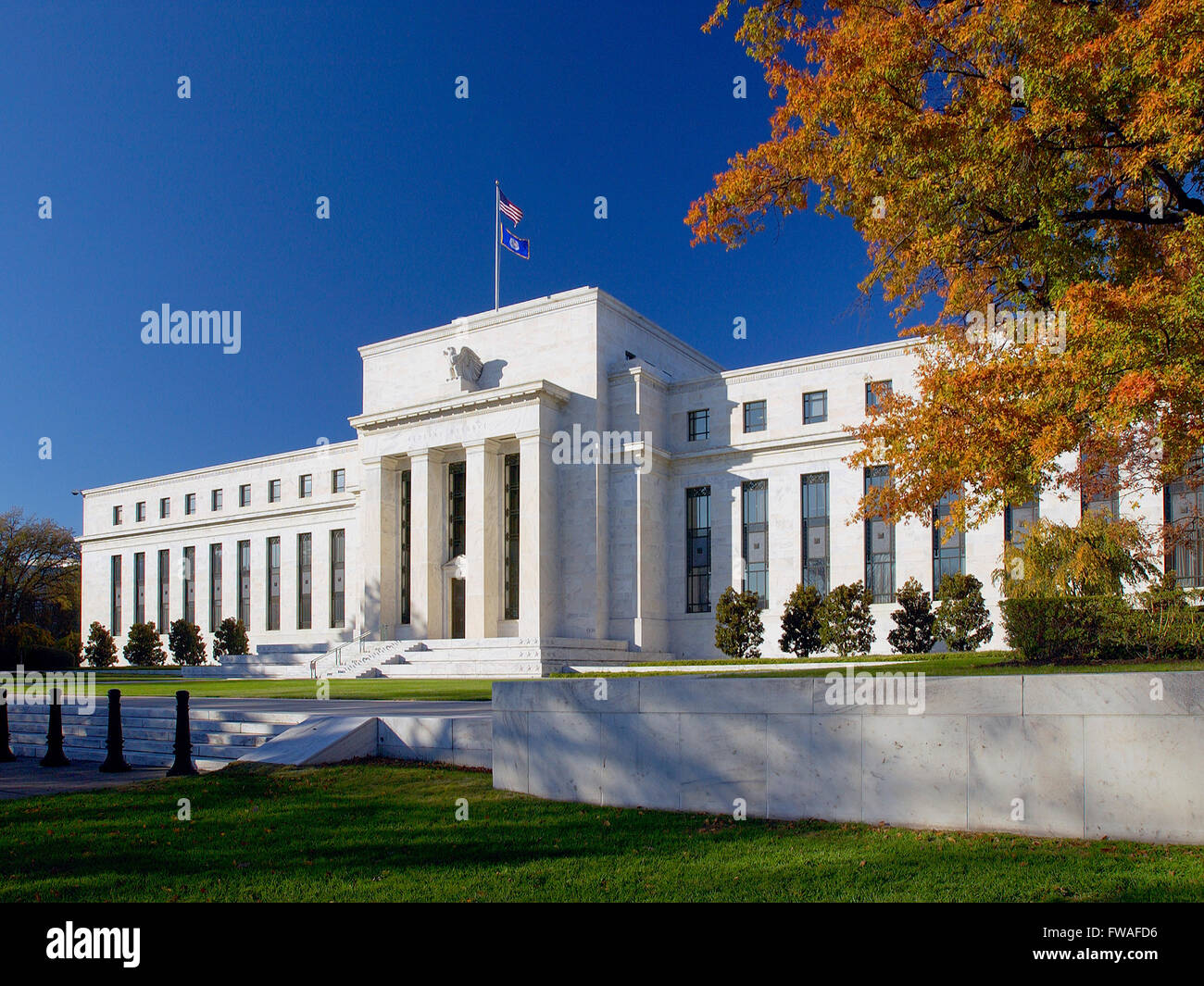
This analysis draws from a December 26, 2025 Fox Business ‘Making Money’ segment [1] where Heritage Foundation chief economist EJ Antoni highlighted Federal Reserve (Fed) policy as the “single biggest risk” to the 2026 U.S. economy, paired with ongoing housing affordability issues.
Late 2025 economic conditions set the stage: third-quarter GDP growth exceeded expectations but inflation remained elevated, with interest rates higher than pre-2024 election Fed projections [3]. The housing market, a core interest-rate-sensitive sector, faced 6.19% average mortgage rates in early December 2025, with forecasts of rates staying above 6% through 2026 [9]. Existing home sales reached a 9-month high but remained historically low, while builder confidence ended the year in negative territory [10][13].
Fed policy risk arises from two plausible missteps: overly aggressive rate cuts could reignite inflation, while prolonged high rates would worsen housing affordability and slow economic growth [3][11]. This uncertainty reverberates across value chains:
- Upstream: The Basic Materials sector rose 0.19% on the event date amid tentative optimism but remains vulnerable to fluctuations in housing starts [0].
- Downstream: Homebuyers face persistent affordability barriers, keeping rental demand strong [12].
- Related Industries: The Financial Services sector declined 0.337% on the event date due to rate risk compressing net interest margins [0].
The competitive landscape reflects this caution: the SPDR S&P Homebuilders ETF (XHB) traded sideways with bearish technical indicators (MACD, KDJ) [0], while homebuilders like Lennar (LEN) and DR Horton (DHI) grapple with low sales volumes and high input costs. Financial institutions (e.g., JPMorgan Chase [JPM], Wells Fargo [WFC]) must balance rate risk with home loan demand, and housing tech platforms (Zillow [ZG], Redfin [RDFN]) may shift strategies amid stagnant home sales. A key policy development is the House Financial Services Committee advancing bipartisan bill H.R. 6644, which streamlines zoning regulations to boost housing supply [8].
- Fed Policy as Systemic Cross-Sector Risk: Antoni’s warning aligns with a growing consensus that the Fed’s 2026 rate path will be the primary economic driver [3][6]. A disconnect between market expectations (2+ rate cuts) and Fed projections (1 cut) creates volatility risk [6].
- Housing Affordability Tied to Rate and Supply Dynamics: While long-term supply constraints persist, near-term affordability hinges on Fed policy [7][8]. Prolonged 6%+ mortgage rates would deepen the crisis, while targeted rate cuts could stimulate demand.
- Rate-Sensitive Sectors Face Heightened Vulnerability: Real estate (XHB, LEN, DHI) and financial services (JPM, WFC) are most exposed to rate fluctuations, with XHB’s technicals and sector performance reflecting market caution [0]. Diversified investments (e.g., XHB over single builder stocks) may reduce risk [7].
- Risks: Fed policy missteps (inflation reignition or growth slowdown), sustained 6%+ mortgage rates, stagnant housing market activity, and persistent inflation [3][11].
- Opportunities: Passage of H.R. 6644 to address long-term housing supply constraints, potential rate cuts supporting homebuyer demand, and sector diversification (XHB) mitigating builder-specific risks [7][8].
- 2025 Context: Strong Q3 GDP growth, elevated inflation, 6.19% mortgage rates, historically low existing home sales, negative builder confidence.
- 2026 Top Risk: Fed policy uncertainty, with potential missteps impacting cross-sector economic performance.
- Sector Impacts: Real estate (XHB, LEN, DHI) and financial services (JPM, WFC) are highly rate-sensitive; basic materials and housing tech face indirect impacts.
- Policy Outlook: Bipartisan zoning reform (H.R. 6644) could complement Fed policy to improve long-term housing affordability.
Insights are generated using AI models and historical data for informational purposes only. They do not constitute investment advice or recommendations. Past performance is not indicative of future results.
About us: Ginlix AI is the AI Investment Copilot powered by real data, bridging advanced AI with professional financial databases to provide verifiable, truth-based answers. Please use the chat box below to ask any financial question.