
Nvidia Stock Decline Analysis: AI Valuation Concerns and Market Impact
Unlock More Features
Login to access AI-powered analysis, deep research reports and more advanced features
About us: Ginlix AI is the AI Investment Copilot powered by real data, bridging advanced AI with professional financial databases to provide verifiable, truth-based answers. Please use the chat box below to ask any financial question.
Related Stocks
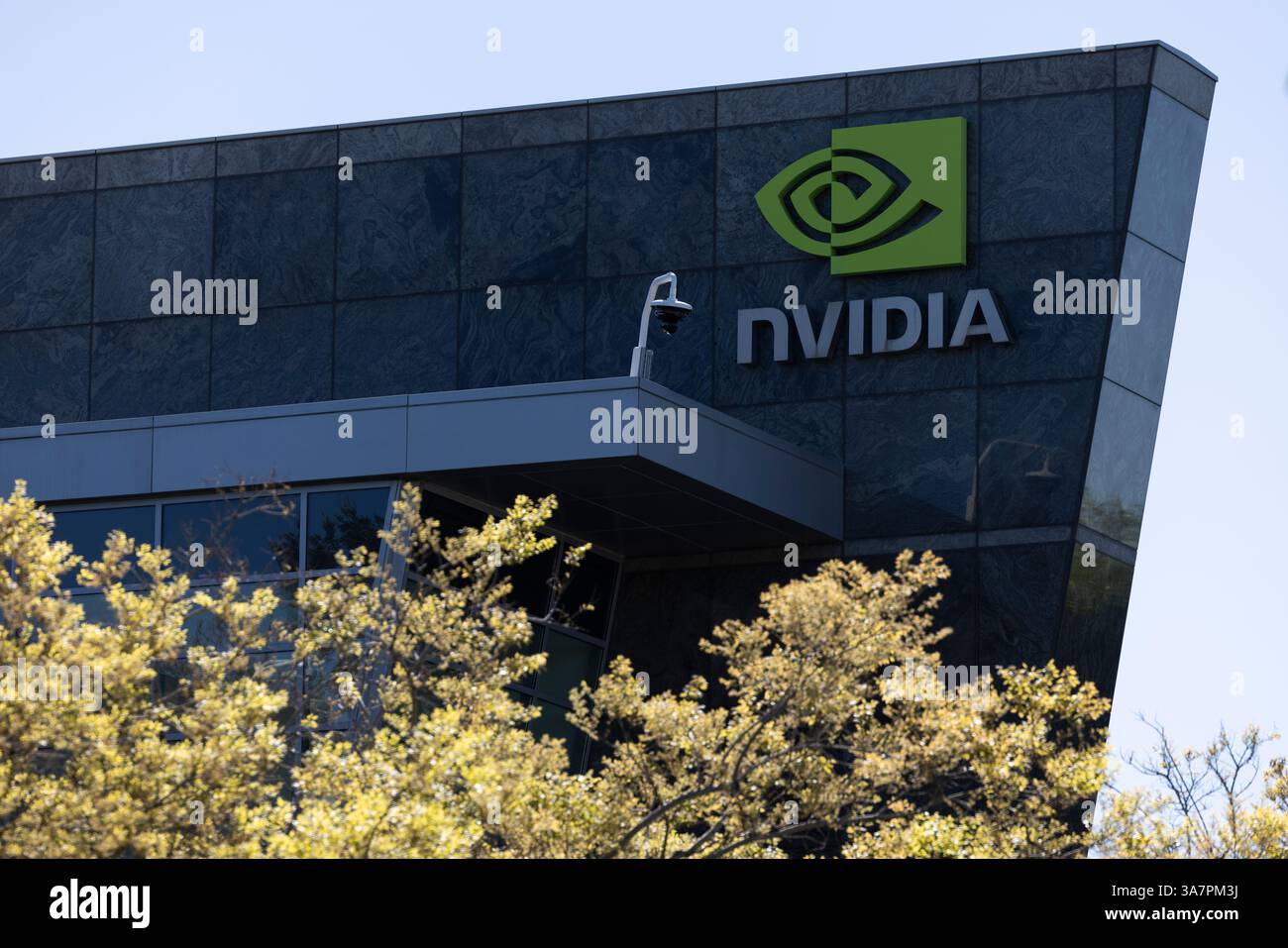
This analysis examines Nvidia’s significant stock decline during the week of November 3-7, 2025, based on market data and recent developments affecting the AI sector [0][1][2][3]. The company’s shares fell over 10% as investors reassessed AI valuations following White House statements confirming no federal bailout support for artificial intelligence companies [1][2][3].
Nvidia’s stock experienced substantial volatility throughout the week, with daily declines of -0.58% on November 3, -2.12% on November 4, -1.79% on November 5, and -4.25% on November 6, before showing a modest recovery of +1.76% on November 7 to close at $188.15 [0]. The company’s market capitalization plummeted from nearly $5 trillion earlier in the week to approximately $4.47 trillion, representing a staggering loss of around $530 billion in market value [1].
Despite the recent decline, Nvidia maintains premium valuation metrics with a P/E ratio of 52.94x and P/B ratio of 45.78x, reflecting continued investor expectations for growth [0]. The stock’s performance contrasted sharply with broader market indices, as the S&P 500 (+0.49%), NASDAQ (+0.49%), and Dow Jones (+0.41%) all showed gains on November 7 [0].
The decline was triggered by White House AI adviser David Sacks’ confirmation that the U.S. government would not provide a federal bailout for artificial intelligence companies, stating “There will be no federal bailout for AI. The U.S. has at least 5 major frontier model companies. If one fails, others will take its place” [2][3]. This policy stance removes a potential safety net for heavily capitalized AI companies and comes amid OpenAI’s announcement of plans to invest $1.4 trillion over the next eight years [3].
Competitive pressures intensified with Google’s unveiling of its seventh-generation TPU “Ironwood” on November 6, 2025, positioned as a direct competitor to Nvidia’s AI chips with 4x faster performance and enhanced energy efficiency [4]. Additionally, Nvidia faces significant headwinds in China, with CEO Jensen Huang confirming that Blackwell accelerators won’t be available in China anytime soon due to failed trade negotiations [4]. The company’s market share in China’s AI chip market has plummeted from 95% in 2022 to nearly zero [4].
The Technology sector showed minimal gains (+0.04575%) on November 7, significantly underperforming other sectors like Financial Services (+2.28%) and Utilities (+4.68%) [0]. This contrast indicates that Nvidia’s decline was more sector-specific rather than market-wide, reflecting particular concerns about AI valuations and growth sustainability.
Despite the recent decline, analyst consensus remains largely positive with 73.4% Buy ratings and a consensus price target of $235.00 (+24.9% upside) [0]. Multiple major firms including Goldman Sachs, UBS, and B of A Securities maintained Buy ratings in early November [0], suggesting professional investors view the decline as potentially temporary rather than indicative of fundamental problems.
Nvidia’s Data Center segment dominates at 88.3% of revenue ($115.19B), with China representing 13.1% of total revenue [0]. The loss of the China market could therefore have significant long-term revenue implications, particularly as Chinese firms like Huawei and Cambricorn are positioned to capture the domestic market [4].
-
Valuation Sustainability: At 52.94x P/E, Nvidia’s valuation may be vulnerable to further corrections if AI growth expectations moderate [0]. The premium valuation assumes continued exponential growth, which may be challenged by competitive pressures and market saturation.
-
Geopolitical Exposure: The China market restriction could permanently eliminate a significant revenue source, with the company’s market share in China’s AI chip market declining from 95% in 2022 to nearly zero [4]. This represents a substantial loss of a key growth market.
-
Competitive Intensification: Google’s Ironwood launch represents the most serious challenge to Nvidia’s AI chip dominance, potentially eroding market share and pricing power [4]. The 4x performance improvement and enhanced energy efficiency could shift customer preferences.
-
Sector Bubble Risks: The disconnect between massive AI infrastructure spending and actual revenue generation across the sector suggests potential bubble risks [3]. OpenAI’s $1.4 trillion investment plans far exceed current funding levels and may not be sustainable.
-
Supply Chain Advantages: Nvidia is reportedly securing “massive chunks” of TSMC’s 3nm production capacity for next-generation Rubin AI chips [4], which could provide competitive advantages in manufacturing.
-
Market Recovery Potential: The strong analyst consensus and maintained Buy ratings suggest potential for recovery if AI growth expectations remain intact [0].
-
Diversification Benefits: Despite current challenges, Nvidia’s dominant position in AI infrastructure and continued innovation could support long-term growth.
Nvidia’s recent stock decline reflects broader concerns about AI sector sustainability following the White House’s rejection of federal bailout support and intensifying competitive pressures. The company lost approximately $530 billion in market value during the week, with shares falling over 10% [1]. Despite this decline, analyst sentiment remains positive with 73.4% Buy ratings and a $235 consensus price target [0].
Key factors to monitor include: valuation sustainability at 52.94x P/E [0], geopolitical risks from China market restrictions [4], competitive threats from Google’s Ironwood chip [4], and the broader disconnect between AI infrastructure investment and revenue generation [3]. The Technology sector’s underperformance relative to other sectors suggests these concerns are specific to AI and technology stocks rather than reflecting broader market weakness [0].
The company’s strong position in Data Center revenue (88.3% of total) and reported securing of TSMC’s 3nm production capacity for next-generation chips provide some competitive advantages, though the loss of the China market (13.1% of revenue) represents a significant long-term challenge [0][4].
Insights are generated using AI models and historical data for informational purposes only. They do not constitute investment advice or recommendations. Past performance is not indicative of future results.
About us: Ginlix AI is the AI Investment Copilot powered by real data, bridging advanced AI with professional financial databases to provide verifiable, truth-based answers. Please use the chat box below to ask any financial question.