
Impact of Geely and BYD's Competitive Strategy Shifts on the Automotive Industry's Investment Landscape
Unlock More Features
Login to access AI-powered analysis, deep research reports and more advanced features
About us: Ginlix AI is the AI Investment Copilot powered by real data, bridging advanced AI with professional financial databases to provide verifiable, truth-based answers. Please use the chat box below to ask any financial question.
Related Stocks
The competitive strategy shifts of Geely Auto and BYD, two major players in the Chinese automotive market, are reshaping the industry’s competitive landscape. Geely adopted a ‘comprehensive benchmarking’ strategy, launching products with higher configurations, better designs, and more competitive prices targeting BYD’s popular models, driving its November sales up 23.5% year-on-year (268,000 units), with Galaxy series sales hitting a new high [0]. BYD’s sales decreased by 26.5% year-on-year in the same period (307,000 units), but its Tang series (including Tang L) had total sales of 13,252 units, with no separate disclosure of Tang L sales [3]. As a new entrant, Xiaomi Auto achieved strong November sales of 46,249 units (YU7 accounted for 33,729 units), but the claim in the post that its R&D investment is low has not been verified [5][6].
- Competitive Landscape Changes: Geely’s benchmarking strategy indicates that BYD’s market dominance is not unshakable; competition in the Chinese automotive market has entered a fierce phase, with price and configuration becoming core competitive points.
- Financial Performance Differences: Geely maintained positive free cash flow (HK$13.529 billion in Q2 2025), showing good cash management capabilities; BYD’s free cash flow was negative (-HK$28.407 billion in Q3 2025), possibly related to high R&D or capital expenditures, and its cash flow situation needs attention in the short term [0].
- Industry Impact: Intensified competition among manufacturers may trigger price wars, squeezing the overall profit margin of the industry; for investors, cost control capabilities and long-term cash flow stability have become important evaluation indicators.
- Risks: Industry price wars leading to declining profits; BYD’s negative free cash flow bringing short-term financial pressure; both companies’ stock prices have declined recently, with cautious market sentiment [0].
- Opportunities: Geely’s positive cash flow and market share growth support its continued expansion; Xiaomi Auto’s strong performance shows that new players still have market opportunities. Investors need to closely monitor manufacturers’ strategy adjustments and industry policy changes (such as the 5% EV sales tax to be implemented from January 2026).
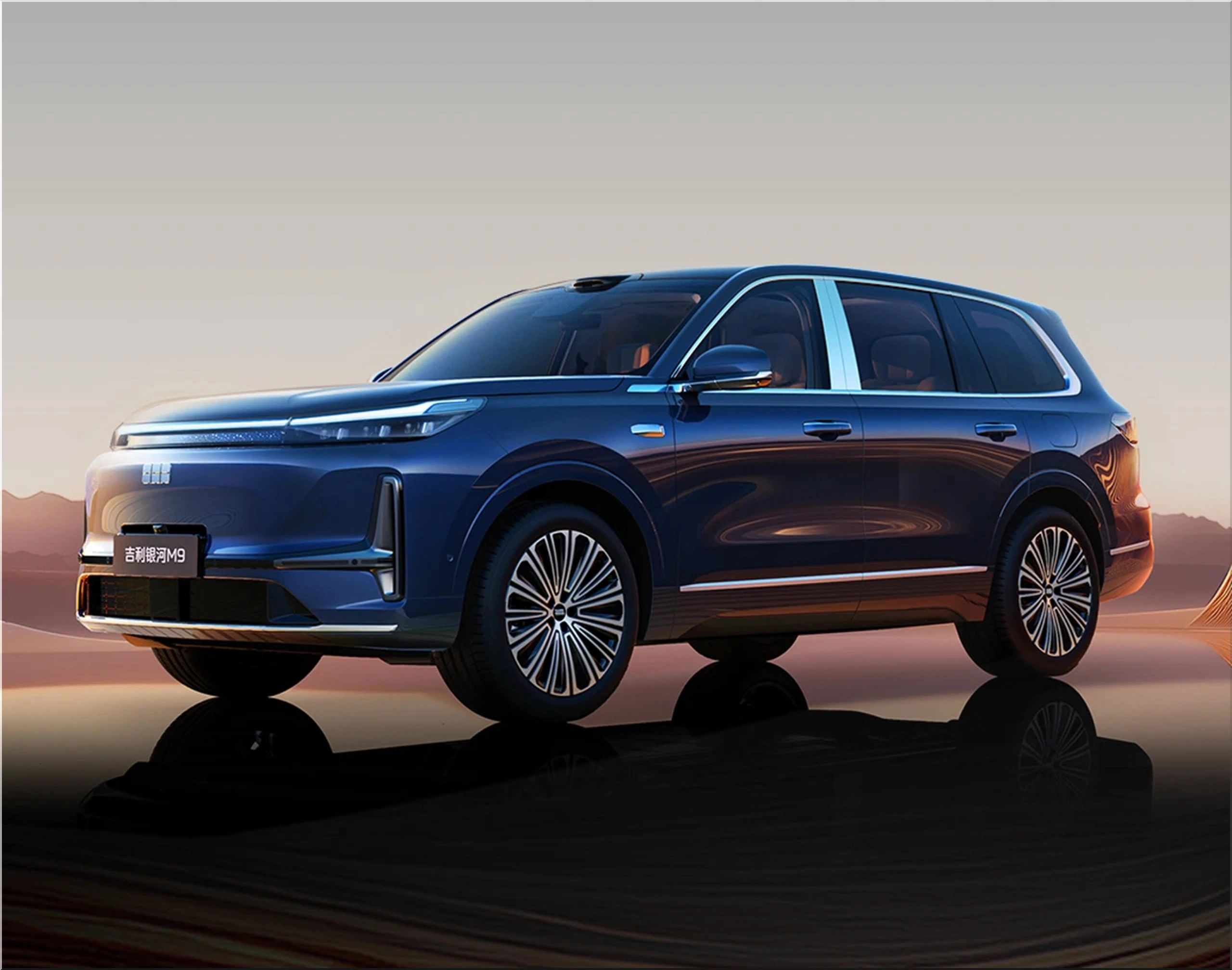
- Geely’s ‘comprehensive benchmarking’ strategy drove sales growth; Galaxy M9 sales reached 10,639 units (verified), while the sales comparison between Star Wish and Seagull did not match actual data.
- BYD’s sales decreased year-on-year with negative free cash flow; its long-term development plan needs attention.
- Intensified competition may trigger industry price wars; investors should focus on core indicators such as manufacturers’ cost control, cash flow, and R&D investment to evaluate long-term investment value.
Note: Some sales comparison data have not been verified and should be referenced with caution.
Insights are generated using AI models and historical data for informational purposes only. They do not constitute investment advice or recommendations. Past performance is not indicative of future results.
About us: Ginlix AI is the AI Investment Copilot powered by real data, bridging advanced AI with professional financial databases to provide verifiable, truth-based answers. Please use the chat box below to ask any financial question.