
Analysis of Beneficiary Industries and Asset Allocation Strategies During the RMB Appreciation Cycle
Unlock More Features
Login to access AI-powered analysis, deep research reports and more advanced features
About us: Ginlix AI is the AI Investment Copilot powered by real data, bridging advanced AI with professional financial databases to provide verifiable, truth-based answers. Please use the chat box below to ask any financial question.
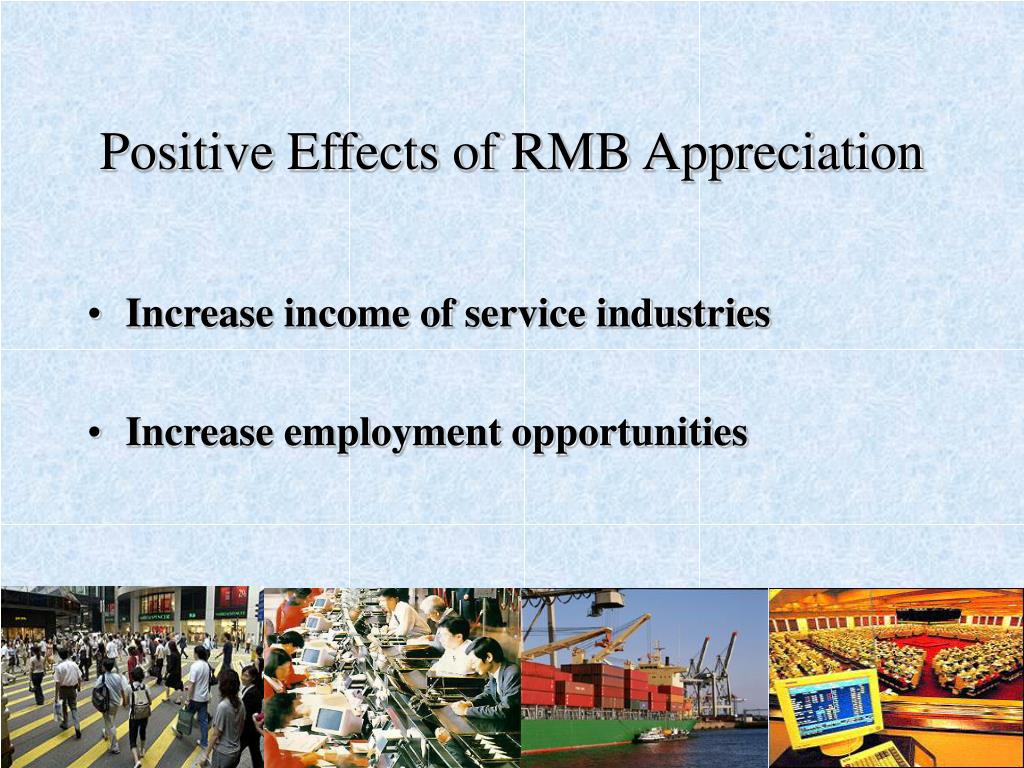
Combined with CITIC Securities’ research on 7 RMB appreciation cycles over the past 20 years [0], although exchange rate is not the dominant factor for industry allocation, about 19% of industries will achieve profit margin improvement due to RMB appreciation, and some industries sensitive to market sentiment perform better in the early stage of appreciation expectation formation. Specifically, beneficiary industries mainly include four categories: 1.
In terms of asset allocation strategies, investors need to pay attention to the following directions: 1. Appropriately reduce the allocation of USD assets, as RMB appreciation will lower the RMB-denominated value of USD assets [0]; 2. Increase the allocation ratio of the above-mentioned beneficiary industries to seize the profit improvement opportunities brought by appreciation [0]; 3. In the early stage of appreciation expectation, focus on financial and non-bank financial industries that are sensitive to market liquidity and risk appetite [0]; 4. Maintain the diversification of asset allocation to reduce risks caused by fluctuations in a single industry [0].
- Dual Benefits for Aviation Industry: The aviation industry has both import-dependent (fuel, aircraft imports) and high foreign debt attributes, so it benefits more significantly during the RMB appreciation cycle [0].
- Sentiment Driven in Early Expectation Stage: Industries such as finance and non-bank finance are sensitive to changes in market sentiment, and are more likely to obtain short-term excess returns in the early stage of appreciation expectation formation [0].
- High-end Consumption Linked to Exchange Rate: RMB appreciation enhances domestic consumers’ overseas purchasing power, which will directly promote demand growth in the high-end consumption industry, forming a positive linkage between exchange rate and industry prosperity [0].
The RMB appreciation cycle brings potential profit improvement opportunities for import-dependent sectors, sectors with high foreign debt, service sectors, and high-end consumption industries. When allocating assets, investors can appropriately tilt towards these beneficiary industries and reduce the allocation ratio of USD assets. However, it should be noted that exchange rate is not the only determinant of industry allocation; it is necessary to make comprehensive judgments by combining industry fundamentals, macroeconomic environment and other factors, while maintaining the diversification of asset allocation to control risks.
Insights are generated using AI models and historical data for informational purposes only. They do not constitute investment advice or recommendations. Past performance is not indicative of future results.
About us: Ginlix AI is the AI Investment Copilot powered by real data, bridging advanced AI with professional financial databases to provide verifiable, truth-based answers. Please use the chat box below to ask any financial question.