
Analysis of the Impact of the New Gold Tax Policy on China's Gold Investment Market and Listed Companies
Unlock More Features
Login to access AI-powered analysis, deep research reports and more advanced features
About us: Ginlix AI is the AI Investment Copilot powered by real data, bridging advanced AI with professional financial databases to provide verifiable, truth-based answers. Please use the chat box below to ask any financial question.
Related Stocks
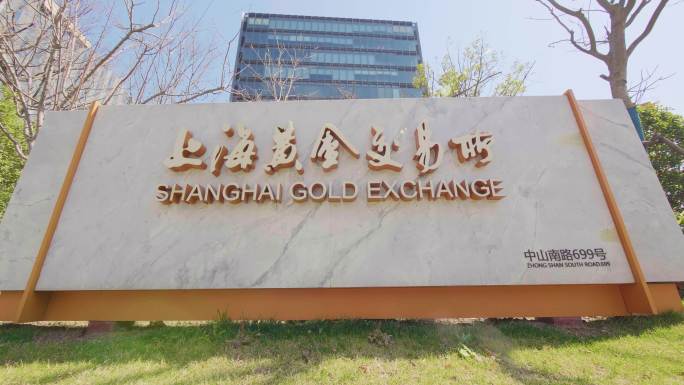
The new gold tax policy classifies standard gold traded through the Shanghai Gold Exchange and Shanghai Futures Exchange with physical delivery out of warehouse into ‘investment’ and ‘non-investment’ categories based on member units’ post-purchase use, applying differentiated policies like VAT immediate refund and exemption [1]. After implementation, regulation in the Shenzhen Shuibei Market tightened: major trading centers uniformly hidden the ‘investment gold’ classification and removed products [2][3], adjusting the previous separate price system for ‘investment gold’ and ‘jewelry gold’ to unified display.
The policy will drive three structural changes:
- Trading Volume Structure: Physical gold trading volume is expected to drop by 20%-30%, while standardized products like gold ETFs and futures will grow by over 50% [7].
- Trading Pattern: Exchange-based trading share will rise from ~60% to over 80%, forming an ‘exchange-based primary, OTC supplementary’ pattern, enhancing ‘Shanghai Gold’’s international influence [7].
- Participant Structure: The market will become more professional and institutionalized, with large gold enterprises and financial institutions dominating; individual investors will participate via standardized products like gold ETFs and accumulated gold [7].
Gold-related listed companies saw stock price declines from Oct 1 to Dec 20,2025: China Gold (600916) (-6.37%), Zhou Dasheng (002867) (-10.80%), Lao Fengxiang (600612) (-12.92%) [7]. Long-term impacts:
- Upstream mining enterprises are basically unaffected; self-produced gold sales remain VAT-exempt [7].
- Midstream processing enterprises face differentiation: member units expand market share via tax advantages, non-members face cost pressures [7].
- Downstream retail enterprises accelerate integration, significantly improving market concentration [7].
- Compliance Pressure Drives Industry Shuffling: The policy requires member units to implement穿透式 tracking for physically delivered gold; high compliance requirements led banks to exit self-branded gold sales [4], expected to eliminate weak enterprises and promote standardization/concentration [1][6].
- Industry Returns to Jewelry Attribute Innovation: The policy encourages focus on jewelry’s ‘jewelry’ attribute; future gold jewelry industry will emphasize design and brand value enhancement [1][6].
- Growth Opportunity for Standardized Investment Products: The policy guides investment demand from OTC physical gold to exchange-based standardized products; gold ETFs and futures will become main choices [7].
- Increased Compliance Costs: Member units need to strengthen internal accounting and use declaration management; non-members face tax cost pressures [1].
- Short-term Market Volatility: Policy digestion may trigger short-term price fluctuations and volume declines [7].
- Intensified Enterprise Differentiation: Non-members may be eliminated or forced to cooperate with members,加剧 competition [7].
- Healthy Industry Development: Standardization and concentration will improve overall quality and efficiency [1][6].
- Growth of Standardized Products: Gold ETFs and futures will see significant volume growth, benefiting related financial institutions and exchanges [7].
- Large Enterprises’ Advantage Highlighted: Large gold enterprises and financial institutions will consolidate dominance via compliance capabilities and resources [7].
The new gold tax policy uses differentiated tax policies and穿透式 supervision to accelerate standardization and concentration of China’s gold investment market. Short-term: Shuibei Market’s investment gold removal and listed companies’ stock declines reflect policy digestion; long-term: ‘exchange-based primary, OTC supplementary’ pattern, growing demand for standardized products, return to jewelry innovation, and dominance by large enterprises and financial institutions. Investors and enterprises should pay attention to compliance changes and structural adjustments.
Insights are generated using AI models and historical data for informational purposes only. They do not constitute investment advice or recommendations. Past performance is not indicative of future results.
About us: Ginlix AI is the AI Investment Copilot powered by real data, bridging advanced AI with professional financial databases to provide verifiable, truth-based answers. Please use the chat box below to ask any financial question.