
Analysis of AI Agent Shoppers' Reshaping of the Retail Industry and Impact on Stocks
Unlock More Features
Login to access AI-powered analysis, deep research reports and more advanced features
About us: Ginlix AI is the AI Investment Copilot powered by real data, bridging advanced AI with professional financial databases to provide verifiable, truth-based answers. Please use the chat box below to ask any financial question.
Related Stocks
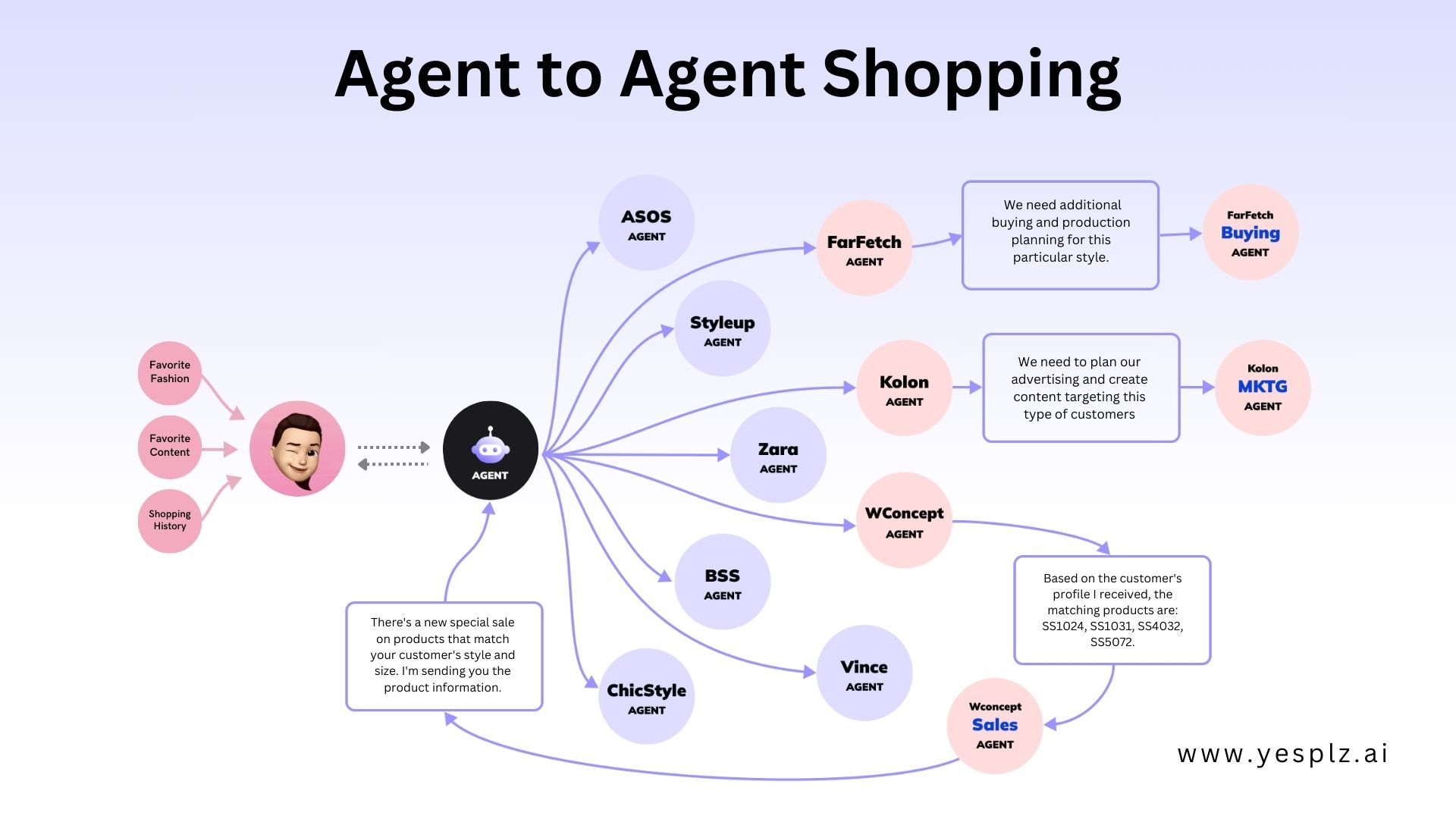
Morgan Stanley’s research report points out that AI agent shoppers will reshape the retail industry from three dimensions: first, changing the consumer shopping decision process to enhance personalization and efficiency; second, driving the growth of the e-commerce market scale—by 2030, it is expected to add $115 billion to U.S. online consumption [1]; third, redistributing market value to distinguish winners and losers in the industry [2]. Groceries, home goods, personal care, and apparel will be the main beneficiary categories. In terms of stock performance, from December 10 to 23, 2025, Wayfair (W), listed as a winner in the report, rose by 8.88%, significantly outperforming the S&P 500’s +0.34% during the same period, reflecting investors’ optimistic expectations of its benefits from AI agent shopping [0]. Another winner, Chewy (CHWY), fell by 9.56%, which may be related to its short-term correction after the Q3 earnings report [0]. Traditional retailers listed as losers, such as Amazon, Walmart, Target, and eBay, had stock price performance close to the overall market during the same period, with no obvious negative reaction [0].
- Long-term vs short-term differences in industry impact: The AI agent shopping impact predicted by the report is a long-term trend (until 2030), while short-term stock price fluctuations may be more affected by companies’ short-term performance rather than AI agent shopping prospects. Chewy’s short-term decline despite being listed as a long-term winner reflects this difference.
- Importance of technology acceptance and response strategies: The actual impact of AI agent shopping depends on technology maturity, consumer acceptance, and retailers’ response strategies. Large retailers like Amazon and Walmart have strong resources and technical capabilities, and may reduce risks through their own AI deployment. This may explain why their stock prices did not show obvious fluctuations.
- Category differences: Different retail categories benefit from AI agent shopping to varying degrees. Categories with higher standardization such as home goods and pet supplies are more likely to improve shopping efficiency through AI agents, hence Wayfair and Chewy are regarded as potential winners.
- Profit squeeze risk: Third-party AI agents may charge service fees to retailers. If transaction increments are less than 50% (at a 5% fee rate), retailers may face EBIT break-even pressure [2].
- Technical uncertainty: The development of AI agent shopping relies on continuous progress in technologies such as natural language processing and personalized recommendation. Uncertainties in the speed of technical breakthroughs and consumer acceptance may affect the realization of predictions.
- Changes in competitive landscape: Traditional retailers that fail to deploy AI agent shopping in a timely manner may lose market share; while platform-based e-commerce may face traffic diversion caused by AI agents.
- Beneficiary categories and companies: Retailers in categories like home goods and pet supplies, such as Wayfair and Chewy, may expand their market share through AI agent shopping [2].
- Digital advertisers: Digital advertising platforms like Meta, YouTube, and AppLovin may benefit from the growth in advertising demand brought by AI agent shopping [2].
- Technology service providers: Companies providing AI agent shopping technology may gain new market opportunities.
AI agent shoppers will become an important force reshaping the retail industry. In the long run, they will drive e-commerce market growth and redistribute market value. Investors need to pay attention to differences in companies’ AI deployment, category characteristics, and response strategies to distinguish long-term and short-term impacts. Companies like Wayfair and Chewy are regarded as long-term potential beneficiaries, while traditional retailers like Amazon and Walmart face certain risks but have strong response capabilities. The report’s prediction of a $115 billion incremental market and nearly half of consumers using AI agents provides important references for the future development of the retail industry.
Insights are generated using AI models and historical data for informational purposes only. They do not constitute investment advice or recommendations. Past performance is not indicative of future results.
About us: Ginlix AI is the AI Investment Copilot powered by real data, bridging advanced AI with professional financial databases to provide verifiable, truth-based answers. Please use the chat box below to ask any financial question.