
US Military Strikes on ISIS in Syria (Dec 2025): Impacts on Oil Prices and Defense Sector Investments
Unlock More Features
Login to access AI-powered analysis, deep research reports and more advanced features
About us: Ginlix AI is the AI Investment Copilot powered by real data, bridging advanced AI with professional financial databases to provide verifiable, truth-based answers. Please use the chat box below to ask any financial question.
Related Stocks
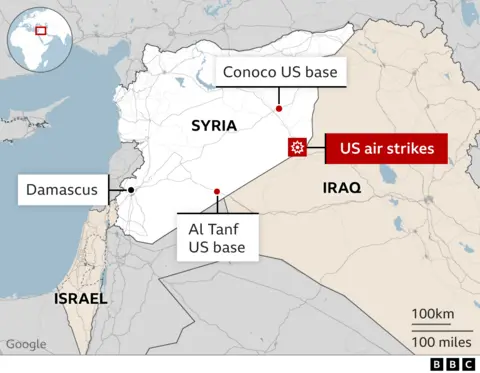
On December 19, 2025, the U.S. launched Operation Hawkeye Strike against over 70 ISIS targets in Syria in response to a December 13 attack that killed three Americans[1][2][3]. The operation utilized F-15E/F-16 warplanes, Apache attack helicopters, and HIMARS rockets, targeting ISIS fighters, infrastructure, and weapons in remote central Syria[1][2][3].
Syria’s limited status as an oil producer and the strikes’ focus on remote areas reduced risks to regional oil supplies and transportation routes[2]. Crude oil prices on December 19 showed a modest 0.89% increase to $56.65[4], which analysts did not directly attribute to the strikes, indicating minimal market concern about supply disruptions[2][4].
Three leading defense companies experienced measurable stock price increases on the day of the strike announcement, accompanied by higher trading volume, reflecting heightened investor interest:
- Lockheed Martin (LMT): +1.67% to $474.13[0]
- Raytheon Technologies (RTX): +1.70% to $182.01[0]
- Northrop Grumman (NOC): +1.79% to $568.46[0]
- Oil Market Resilience: The minimal price movement demonstrates that Syria’s geographic proximity to major oil-producing regions does not automatically trigger supply risk, especially when strikes avoid critical energy infrastructure and target non-state actors[2][4].
- Defense Sector Short-Term Sentiment: Coordinated gains across leading defense firms indicate that even limited military operations can generate short-term bullish sentiment, but this is distinct from long-term performance driven by defense budgets and geopolitical trends[0].
- Escalation Risk Mitigation: Defense Secretary Pete Hegseth framed the strikes as a “declaration of vengeance” rather than the start of a new war[2], reducing market fears of prolonged conflict that could more significantly impact oil or defense sectors.
- Geopolitical Escalation: While current risks are low, unintended confrontations with other actors in Syria could disrupt nearby oil infrastructure or transportation routes[2].
- Defense Sector Overvaluation: Short-term stock gains may lead to overvaluation if investors overlook long-term drivers like defense budgets and technological advancements[2].
- Defense Sector Short-Term Returns: Investors may capitalize on immediate bullish sentiment following such operations, though this requires careful timing[0].
- Oil Market Stability: The limited strike impact reinforces that targeted military actions in non-major oil-producing regions may not disrupt global oil markets, providing stability for energy-related investments[4].
The December 19, 2025, U.S. strikes on ISIS in Syria had minimal impact on oil prices (a modest increase not directly linked to the strikes) and a measurable short-term positive effect on defense stocks (LMT, RTX, NOC up 1.67-1.79% with higher volume)[0][4]. The strikes’ targeted nature and retaliatory framing reduce prolonged escalation risks, but long-term sector performance depends on broader factors: defense budgets and geopolitical trends for defense; global supply-demand dynamics for oil[2].
Insights are generated using AI models and historical data for informational purposes only. They do not constitute investment advice or recommendations. Past performance is not indicative of future results.
About us: Ginlix AI is the AI Investment Copilot powered by real data, bridging advanced AI with professional financial databases to provide verifiable, truth-based answers. Please use the chat box below to ask any financial question.